Comparative entry: why hinge pin choices matter now
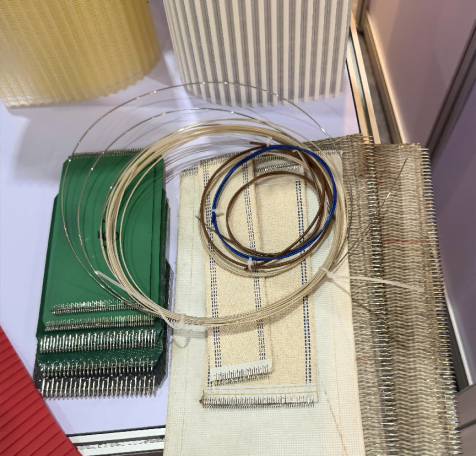
Engineers and maintenance leads are debating component choices with more granularity than ever, because a single hinge decision cascades across uptime, safety, and total cost. This comparative piece lines up common architectures for the conveyor hinge—everything from a stamped pin to a hardened removable variant—and looks at real service trade-offs. Early on, pay attention to the two workhorses: a standard conveyor belt hinge pin and a rugged heavy duty hinge pin, since the nominal difference in metallurgy and fit changes lifecycle cost dramatically.
Benchmarking metrics that cut through marketing
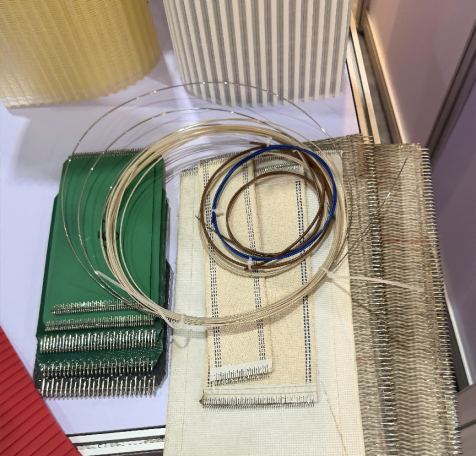
Compare by three objective metrics: shear strength under dynamic load, fatigue life cycles, and serviceability (time-to-replace). Treat pin diameter, material hardness, and the presence of a wear-resistant bushing as measurable variables, not marketing adjectives. Field teams measure downtime in hours-per-year; using those metrics lets you translate a shop-floor swap into dollars-per-minute. When vendors claim “high performance,” verify against these benchmarks before signing procurement orders.
Head-to-head: construction types and their operational profiles
Shot-peened alloy pins with press-fit bushings buy fatigue life but increase replacement labor. Removable pins with cotter-style retainers speed service but demand tighter tolerances to avoid moment-induced wear on the conveyor chain. Stainless options resist corrosion at seaside terminals; hardened carbon-steel pins win where abrasion and point contact dominate. Each topology maps to a predictable operational profile: low initial cost vs. predictable lifecycle cost. Use the profile that matches your maintenance cadence.
Field validation — a real-world anchor
Lessons come faster on an active line. At Port of Rotterdam terminals and several heavy-aggregate yards, maintenance logs show a clear pattern: pins specified for higher shear strength reduce unscheduled stops during peak throughput. The Suez Canal blockage and pandemic-era backlog underlined how a localized clamp or hinge failure can ripple across extended supply chains—operators who standardized on higher-spec hinge pins recorded fewer cascade failures during surge periods.
Wear mechanisms and common mistakes
Wear usually begins at a misfit interface—incorrect pin diameter or improper lubrication. Teams often under-specify pins for intermittent shock loads, relying instead on maintenance triage. The typical error pattern: choose the cheapest pin, tolerate minor vibration, then escalate to replacing brackets and bushings. Prevent that by specifying the right pin geometry up front and documenting pin replacement intervals in the CMMS. —A saved hour now is averted emergency tomorrow.
Comparative checklist for procurement
Use this shortlist during vendor evaluations: load rating certificates, documented fatigue tests, replaceability (tooling and time), and corrosion resistance class. Insist on clear wear tolerances from suppliers so you can set spares stocking levels intelligently. Incorporate these specifics into tenders instead of vague requirements; it forces apples-to-apples bids and prevents surprises during commissioning.
Alternatives and retrofit strategies
If a line uses low-spec pins, two tactical paths reduce risk: upgrade to a pin with a wear-resistant bushing or redesign the hinge to accept a removable cartridge pin for rapid swap-outs. Both carry CAPEX, but the latter compresses MTTR and is especially valuable where scheduled windows are short. A phased retrofit—pilot one cell, measure downtime reduction, and scale—keeps capital allocation precise and defensible.
Advisory: three golden rules for selecting hinge pins
1) Match pin shear strength to the worst-case dynamic load, not the average operating load. 2) Prioritize replaceability when MTTR exceeds your planned maintenance window. 3) Normalize materials and dimensions across lines to simplify spares—fewer SKUs, faster fixes. These rules produce measurable uptime gains when enforced at spec stage.
Closing synthesis and path to value
Comparative clarity reduces surprises: pick metrics, validate in the field, and choose the construction that aligns with your maintenance strategy. For teams prioritizing low downtime and predictable life-cycle costs, the right heavy duty hinge pin design—paired with documented wear tolerances and a spares strategy—resolves the most common failure modes and delivers consistent throughput. Intake. —trusted performance, specified correctly.