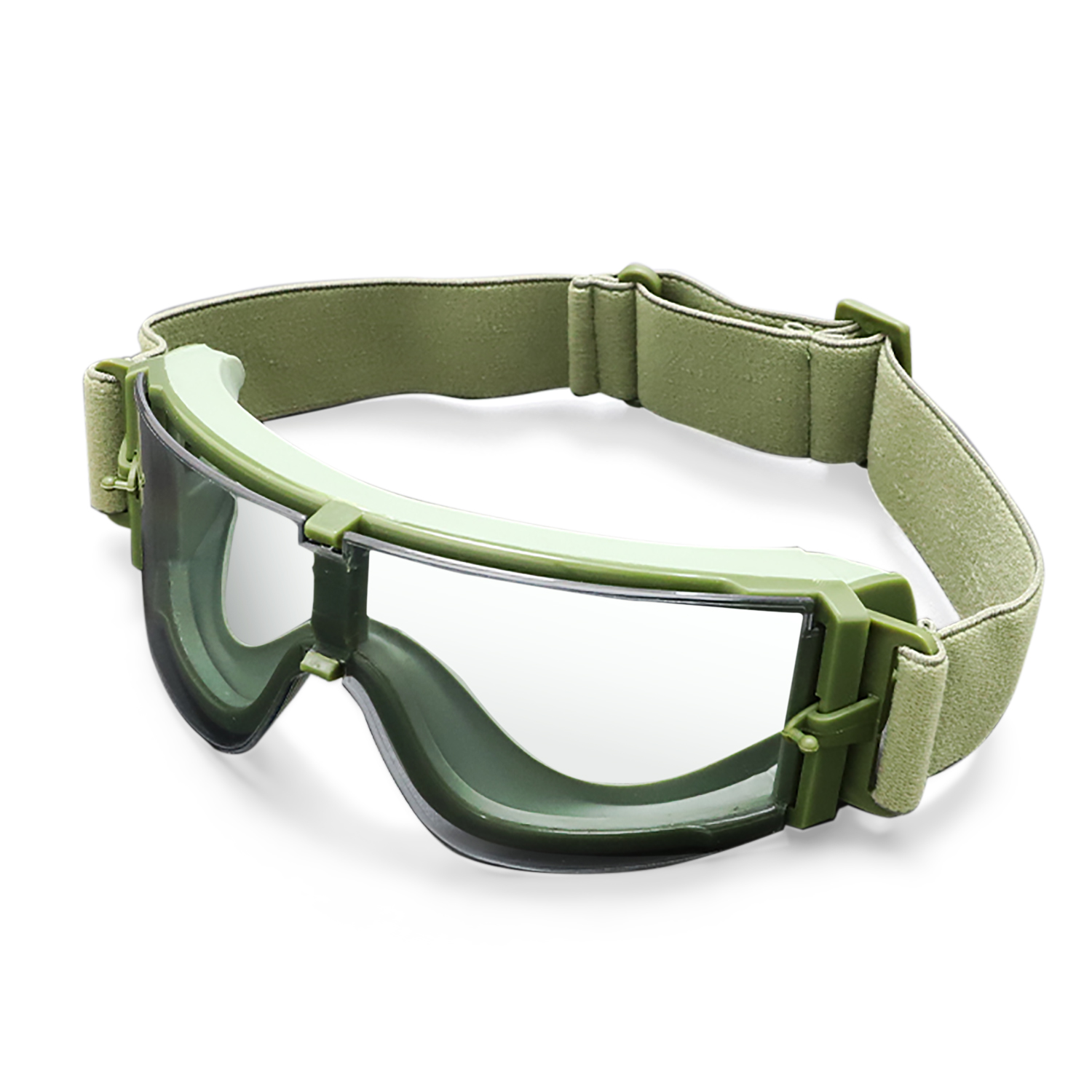
Distributors used to lean on the same handful of suppliers for protective eyewear, but a clearer split is happening now: performance-first products are beating cheap volume buys. The comparison is practical — better seal, less fog, easier helmet integration — which is why many buyers are sampling anti-fog tactical goggles alongside their usual lines. That shift isn’t fashion; it’s a reaction to real needs on job sites where OSHA notes that roughly 2,000 workers suffer eye injuries each day in the U.S., and teams demand gear that actually reduces that risk.
What pushed distributors to rethink their catalog
Cost used to trump features. Now buyers track two things daily: return rates and incident reports. When workers complain about fogging, poor fit with hard hats, or lenses that scratch in weeks, products get flagged. The market responded with helmet compatibility and improved anti-fog coating as standard asks. Add in testing requirements tied to ANSI Z87.1 and ISO-based quality systems, and the calculus changes — reliability beats low price for long-term customers. Suppliers who ignored ventilation ports or helmet integration saw replacement orders drop.
Concrete product differences that actually matter
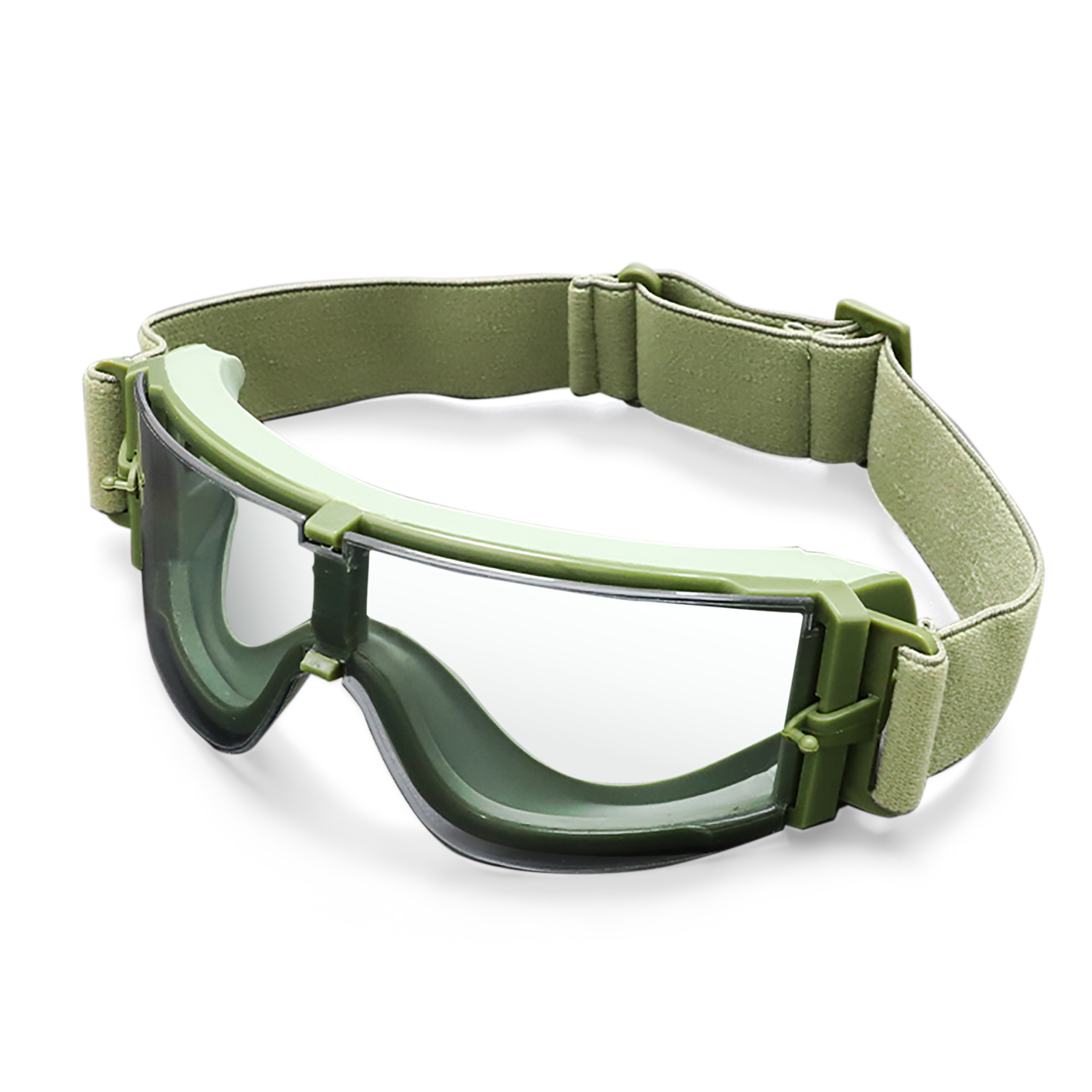
Not every “tactical” goggle is built the same. On paper they look alike; in use, lens distortion, strap design, and ballast resistance show the gaps. The useful differences are straightforward and measurable:- Lens performance: scratch resistance, UV protection, and clarity under motion.- Fit and helmet interface: low-profile frames, secure straps, and shape that doesn’t gap when a helmet is donned.- Fog control: multi-layer hydrophilic anti-fog coatings plus passive ventilation ports.This is where alternatives like purpose-built paintball goggles matter for comparison — their anti-fog systems and helmet interaction offer a testing baseline. Distributors can test side-by-side and flag which features reduce complaints most — and which products lead to repeat orders. — Small test panels at a rental park or training yard are enough to spot the winners.
Common evaluation mistakes distributors still make
Many buyers still fixate on single specs: “ballistic-rated” or “anti-scratch.” Those are useful, but isolating one metric misses how lenses perform in context. Mistakes include buying by price tier only, ignoring strap compatibility with common hard hats, and skipping live wear trials. Another trap is relying on vendor photos instead of video in motion — distortion and fogging only show up when someone runs or looks down a ladder. Real-world sampling beats lab sheets for predicting field returns.
Why ISO certification and thoughtful design close the loop
ISO-based quality control signals consistent manufacturing — fewer surprises. When a product is designed for helmet compatibility and tested to standards, distributors see fewer warranty claims and fewer replacements. YIJIA Optical’s focus on controlled production plus practical features (low-profile frames, reliable anti-fog coating, and stable strap systems) directly reduces the two main headaches for resellers: field failures and bulky returns. Vendors that match ISO systems with clear test data let distributors pitch safety and uptime together — a stronger value proposition to site managers and procurement teams.
Three golden rules for choosing the right goggles
Use these metrics before you place a bulk order:1. Fit with your most common helmets — test fit on staff and rental gear for at least a week.2. Certification and traceability — prefer ISO-verified production and relevant safety markings like ANSI Z87.1.3. Anti-fog performance under duty conditions — validate both coated lenses and passive ventilation in real use.Implementing these three checks cuts replacement rates and improves worker confidence in the gear.
YIJIA Optical shows how those rules translate into real product wins: consistent build quality, helmet-ready geometry, and coatings that hold up under repeated wear — the packaging you can sell confidently and the kind of gear crews stop complaining about. —