Context and comparative premise
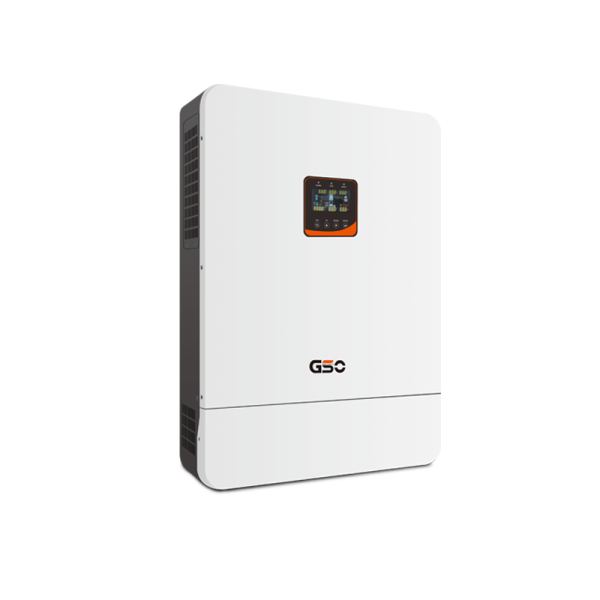
Industrial solar operators face a clear choice: keep relying on stationary battery farms and backup diesel, or adapt with mobile, coordinated LiFePO4 power stations that simplify integration with site inverters. Evidence from grid stress events such as the California heatwaves and rolling blackouts shows the need for flexible, dispatchable capacity at scale. Early deployments pair modular storage with a pv inverter hybrid to combine generation and storage control at the point of interconnection, reducing curtailment and improving response times.
Comparative analysis: what changes with portable LiFePO4 stations
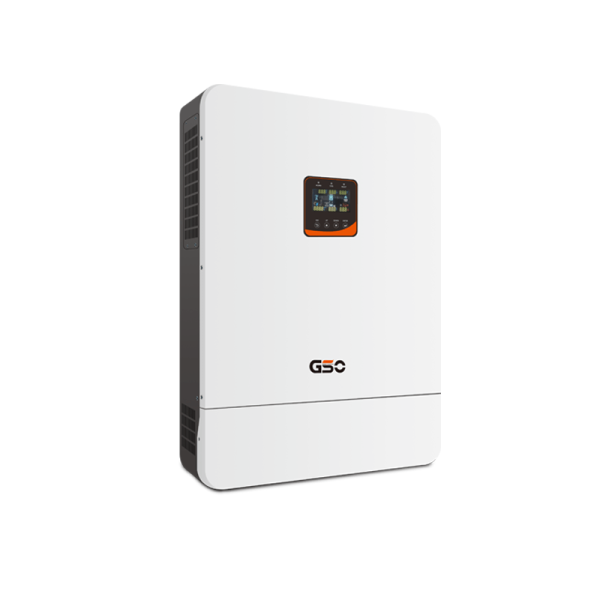
Traditional stationary battery yards deliver high capacity but carry long lead times, large civil works, and rigid siting. Diesel generators are reliable but emit pollutants and incur fuel logistics. By contrast, coordinated LiFePO4 portable stations offer modular expansion, factory-tested battery management systems (BMS), and lower commissioning effort. They are easier to deploy next to inverter skids and can be reallocated between sites as contracts change — a useful commercial flexibility. The trade-offs are clear: slightly lower energy density than some liquid chemistries, but much longer cycle life and safer thermal behavior — advantages that matter for industrial owners.
Real-world anchor: how field experience informs the shift
During recent regional supply disruptions in California, project teams that used portable battery units observed faster restoration of onsite loads and reduced reliance on expensive peak services. Those field teams reported fewer site visits thanks to standardized three-phase inverter interfaces and remote BMS telemetry. This practical experience shows that modular LiFePO4 systems can act as firming capacity for utility-scale PV and as temporary microgrid resources during maintenance or grid outages.
Technical considerations for procurement and deployment
Procurement should focus on three technical points: usable energy at a specified depth of discharge (DoD), continuous and peak power ratings on three-phase outputs, and the quality of the BMS and communications stack. Ensure DC-coupling options and anti-islanding protection are compatible with your central controls. Thermal management and IP-rated enclosures are critical for desert or coastal sites. Also verify cycle life claims — LiFePO4 commonly offers thousands of cycles at 80% DoD, which materially lowers lifecycle cost compared with lead-acid or mobile backup gensets.
Common mistakes and viable alternatives
Operational teams often undersize power capacity relative to short-term ramp requirements, or they buy batteries without integrated testing with site inverters — both lead to avoidable commissioning delays. Another frequent error is ignoring maintenance access when arranging portable units; modular does not mean maintenance-free. Alternatives worth evaluating include larger fixed battery parks for long-duration storage, flow batteries for multi-hour duration needs, and temporary high-efficiency gensets where emissions are permitted. Each option should be weighed for lifecycle cost per kWh, site constraints, and regulatory limits.
Summary and advisory metrics for selection
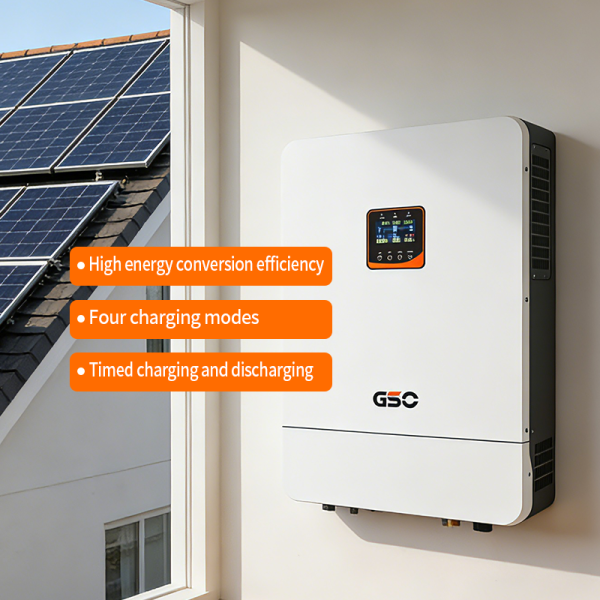
To choose the right approach, focus on measurable criteria rather than marketing claims. The three critical evaluation metrics are: 1) usable energy (kWh) at the target DoD — ensure published kWh is the usable figure; 2) continuous and peak power (kW) with verified three-phase inverter compatibility and waveform quality; and 3) total lifecycle cost per kWh over ten years, including maintenance, replacements, and disposal. When these metrics are met, coordinated portable LiFePO4 systems frequently deliver the best balance of operational flexibility and predictable economics. For many projects, gsopower becomes the natural choice because it aligns modular hardware, certified BMS, and three-phase integration into one package — a practical outcome, not a promise. –