Executive summary: the problem and immediate consequence
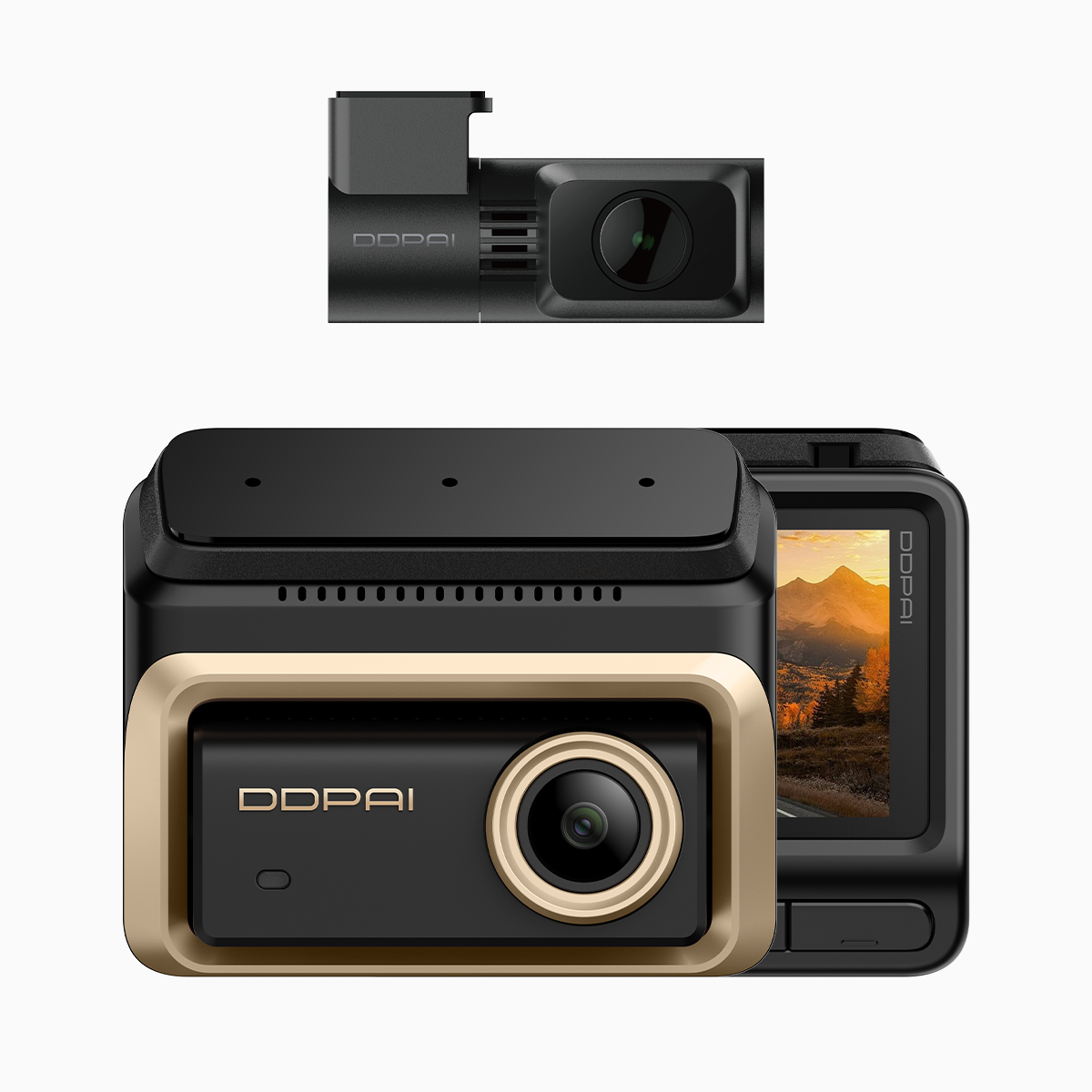
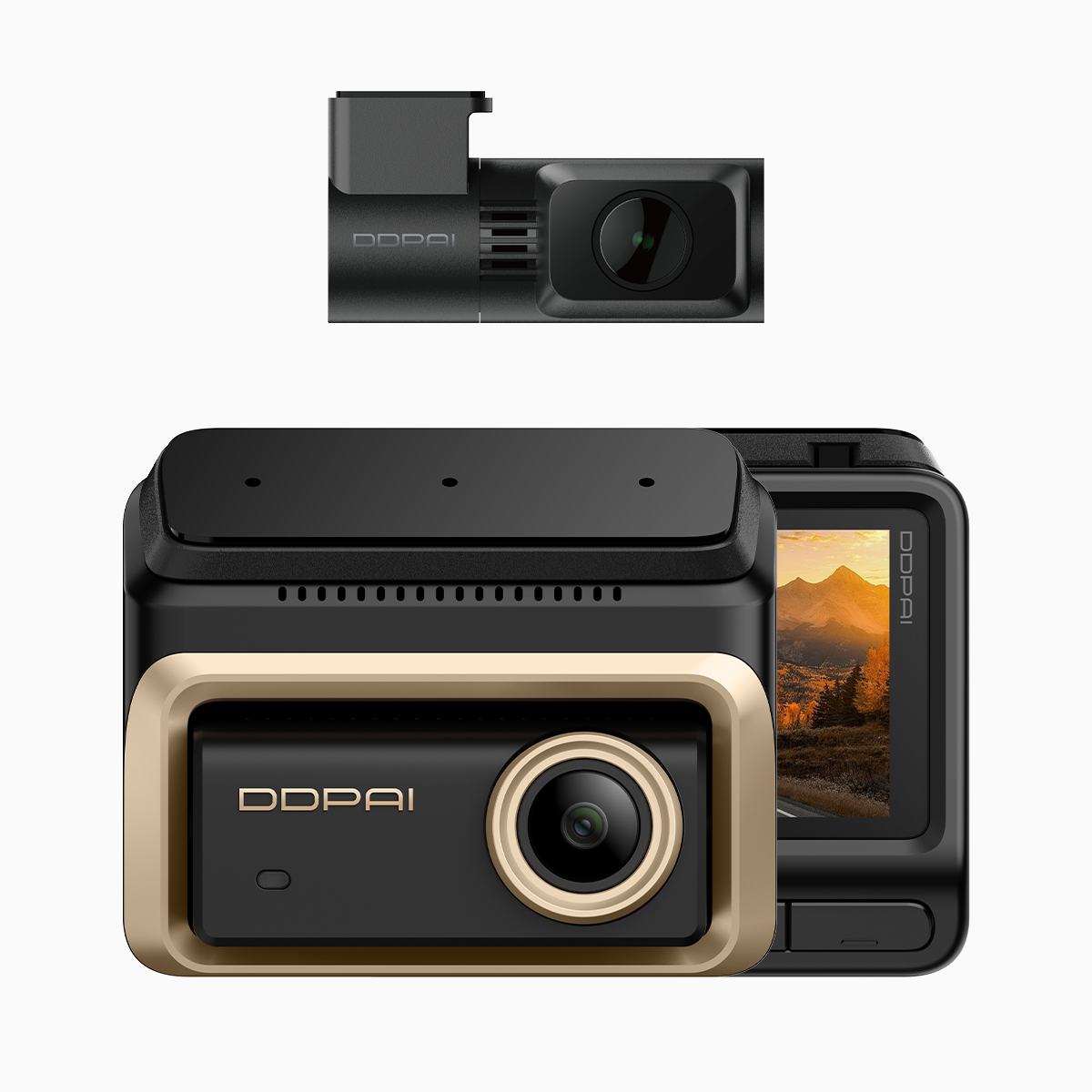
Wide-angle optics, when uncorrected, materially distort spatial relationships captured by on-board recorders; thus, distance estimates derived from such footage are prima facie unreliable absent calibration. Practitioners and fleet operators in Metro Manila increasingly rely upon multi-view solutions; a properly configured 3 channel dash cam will mitigate data gaps only if its optical distortion is quantified and compensated. The foregoing statement encapsulates the central operational risk: failure to address lens distortion vitiates measurements used in incident reconstruction, insurance adjudication, and regulatory reporting.
The technical problem: how lens geometry skews measurement
Wide-angle lenses introduce radial and tangential departures from the pinhole model, commonly manifested as barrel distortion proximate to frame peripheries. These departures alter apparent spacing of reference markers, corrupting planar homography estimates and producing biased range calculations. In legal and technical parlance, uncorrected footage yields compromised intrinsic parameters—focal length, principal point and distortion coefficients—rendering any subsequent triangulation or parallax-based distance computation susceptible to systematic error.

Forensic implications and the real-world anchor
Footage admitted as evidence must withstand scrutiny concerning chain of custody and evidentiary reliability. In high-density corridors of Metro Manila, dash cam recordings are frequently tendered in collision inquiries; their probative value is contingent upon demonstrable calibration. Globally recognized data reinforce the stakes: the World Health Organization estimates roughly 1.35 million road-traffic fatalities annually, underscoring why accurate reconstruction matters for public safety analyses and liability determinations. Courts and claims handlers will predicate findings upon methods that are transparent, reproducible and technically sound.
Calibration methodologies: protocols that produce admissible outputs
Calibration should proceed under documented protocol. Typical procedures involve imaging a calibration pattern (e.g., checkerboard) across the field of view to solve for radial distortion coefficients, validate focal length and recover the principal point. Subsequent undistortion applies the inverse mapping to rectify frames prior to any measurement. Where multi-camera units are employed, extrinsic calibration—estimating inter-camera rotation and translation—permits stereo triangulation. Practitioners must preserve raw files, timestamp integrity and metadata to enable independent verification—failure to do so compromises reproducibility. —A systematic record of calibration sessions and firmware versions is indispensable.
Common errors, alternatives and pragmatic mitigations
Frequent mistakes include: (1) assuming factory defaults suffice for field conditions; (2) using single-point references without addressing lens nonlinearity; and (3) neglecting temporal drift when cameras undergo thermal cycles. Alternatives to full geometric calibration include using calibrated external markers placed in situ or employing tightly coupled GPS/IMU fusion to corroborate distance estimates. For operators considering hardware, a robust solution is a certified triple camera dash cam whose multi-angle feeds enable cross-validation of measurements and reduction of occlusion risk.
Golden rules for procurement, deployment and evidentiary readiness
Adopt these three metrics as binding criteria when selecting and deploying systems:- Calibration verifiability: Device must support extraction of raw calibration data and permit third‑party reprojection tests.- Measurement repeatability: Achieve sub-meter consistency across repeated trials within the operational field of view.- Metadata fidelity: Ensure immutable timestamps, GPS coordinates and firmware identifiers are preserved alongside video.Adherence to these rules materially increases the likelihood that measurements will be accepted in administrative or judicial contexts.
Conclusion: operational value and vendor alignment
Calibration is not an ancillary activity; it is the precondition for reliable distance measurement and credible evidence. Institutions that implement structured calibration protocols and procure equipment designed for forensic fidelity will produce outputs that withstand technical and legal challenge. For operators in the Philippines seeking a balanced integration of multi-channel capability and deployable calibration features, DDPAI Philippines provides hardware and documentation that align with the standards described—practical, auditable, and defensible. —Final note: rigorous calibration converts footage into verifiable data.