Comparative frame: where factories must choose
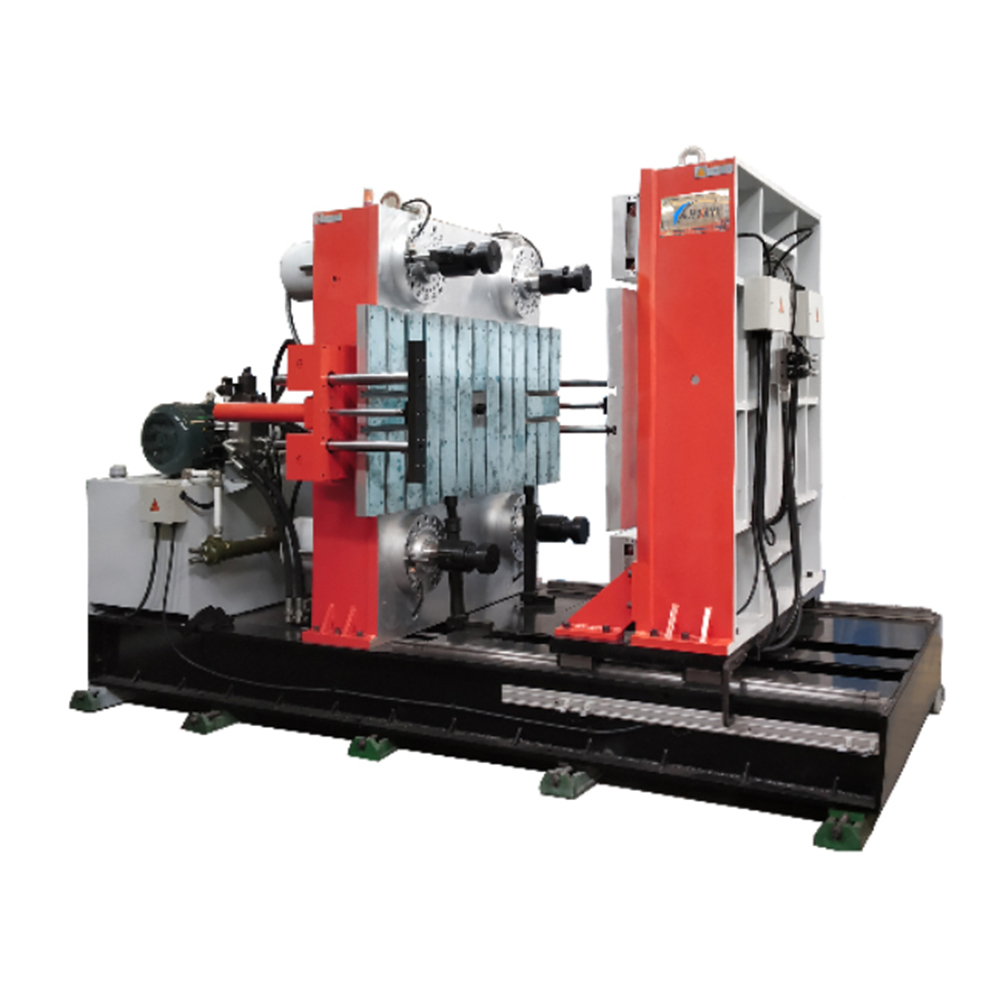
Factories scaling rubber component lines face a narrow choice between bespoke lines and modular, high‑efficiency machines; the latter often wins on throughput and predictability. This piece contrasts common configurations of LSR molding equipment and shows where gains are real and measurable. In the first sweep, consider the modern horizontal rubber injection molding machine as the baseline for mid‑to‑high volume operations: compact clamping, predictable shot control and repeatable cycle times make it a sensible pivot from older vertical presses.

Technical yardsticks that matter
Decision makers must prioritise three engineering metrics: clamping force, shot size and cycle time. Clamping force determines the largest cavity set you can run; shot size defines part complexity and multi‑shot feasibility; cycle time sets pure hourly output. Add one or two automation elements — servo motor drives and an adaptive injection unit — and the same machine can handle short runs or continuous production with minimal manual changeover.
Comparing platforms: Chinese builders vs European options
Chinese builders now supply machines that match European specs at lower capital cost, particularly in horizontal platforms optimised for LSR. Procurement from hubs such as the Shenzhen manufacturing cluster has matured: quality control, lead times and after‑sales networks are far improved since the 2010s supply expansion. For those sourcing from China, examine build details rather than price alone — tooling interfaces, nozzle design and mould temperature control are where hidden costs appear. A useful resource is the china horizontal rubber injection molding machine market, which highlights these trade‑offs and supplier specialities.
Operational nitty‑gritty and common mistakes
Installers frequently under‑spec the mould cooling circuit and ignore barrel temperature profiling. These omissions raise scrap rates and shift cycle time unpredictably. Mind the nozzle alignment — small errors cost big scrap. Equally, neglecting proper servo tuning or HMI recipe management results in inconsistent shot weight and part variance. Practical measures: document injection profiles, lock down mould offsets in the PLC and run a 100‑part qualification step before ramping production.
Case anchor: resilience in practice
During the 2020 supply disturbances, several Shenzhen‑based suppliers adapted production lines to keep automotive and medical rubber parts flowing; the lesson was clear — modular horizontal machines with standardised interfaces allowed rapid redeployment. That real‑world anchor shows why configurability and spare‑parts transparency matter more than headline throughput numbers alone.
Energy, footprint and lifecycle costs
Energy consumption is a measurable operating cost; servo‑driven injection and clamping systems typically reduce kW per cycle compared with hydraulic‑only designs. Footprint ties into plant layout and downstream automation: horizontal machines often integrate more simply with rotary indexing and conveyor systems. Factor in lifecycle costs — maintenance intervals, seal kits, and PLC spare parts — not just purchase price.
Alternatives and what to avoid
Alternatives include vertical LSR presses for certain insert moulding tasks and inline single‑shot systems for micro‑components. Avoid over‑specifying clamping force when shot size and cavity count are modest; that buys nothing but higher energy losses and bigger foundation requirements. Conversely, underspecifying nozzle and screw design for high‑viscosity LSR will cause repeated downtime.
Summary of comparative findings
Horizontal LSR platforms strike the best balance for factories moving from prototype to scale. They combine straightforward mould access, integrated automation and lower per‑part energy when configured with servo drives and a matched injection unit. Suppliers in China now offer competitive, configurable systems — yet diligence on thermal control and spare‑parts policy remains essential.
Advisory: three golden rules for selecting the right machine
1) Match technical spec to the part, not the press: confirm shot size, cavity count and clamping margin; over‑rating wastes capital. 2) Demand thermal traceability: certified barrel and mould temperature control reduce qualification cycles and scrap. 3) Verify serviceability and spare inventory for at least five years — a clear parts roadmap beats a low headline price. These rules focus procurement on measurable, operational outcomes rather than glossy specs.
For factories seeking a practical partner that ties these strengths together, HWAYI offers configurable horizontal LSR platforms that emphasise serviceability, thermal control and modular automation — and that alignment is precisely what plants need to scale reliably. —