Start here: why a framework beats one-off fixes
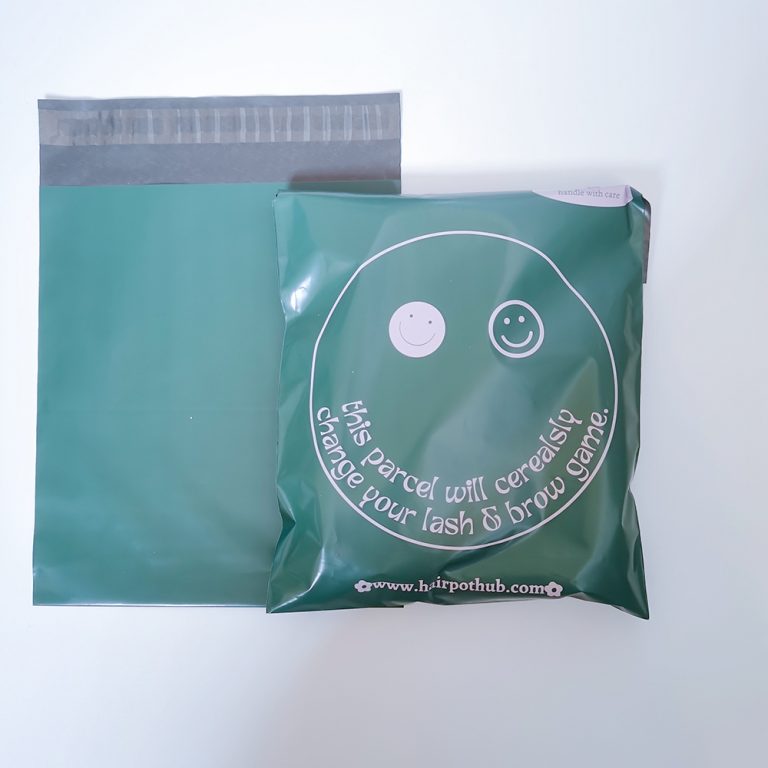
Think of this as a simple, repeatable playbook you can apply across launches — not a checklist of random hacks. The Framework approach breaks unboxing into measurable stages (visibility, protection, experience, returns control) so you scale what works. Right away, consider material and finish choices: a brightly printed sleeve or patterned colored poly mailers can lift perceived value at minimal cost and stay logistic-friendly. Stay intentional: design choices should reduce damage, speed fulfillment, and amplify brand memory.
The four-pillar Unboxing Framework
Build your packaging plan around four pillars. Each pillar answers a clear operational or emotional need and ties directly to KPIs.
- Visibility — brand cues, color, and messaging that trigger recall (logo placement, color blocking, and tactile finishes).
- Protection — right material, adequate cushioning, and tamper-evident sealing to prevent returns from damage.
- Experience — easy-open features, die-cut or reinforced handles, and unboxing moments that encourage social sharing.
- Returns Control — clear return labels, reusable return loops, and packing slips that reduce confusion and false returns.
These pillars help you prioritize trade-offs: is a thicker poly mailer worth the extra dimensional weight? Often, yes — if it cuts damage-related returns.
Design decisions that actually move the needle
Pick one or two high-impact choices and execute them well. Consider die-cut handles or reinforced handles for heavier apparel drops; they improve courier handling and make the parcel feel premium. For color and brand cohesion, a subtle pop — like a set of colored poly mailers or a curated run of light pink poly mailers for targeted SKUs — creates immediate recognition in a pile of packages. Add tamper-evident seals and clear QR-enabled packing slips so customers can confirm authenticity instantly. These are packaging design and fulfillment-line friendly choices: low tooling, fast turn, measurable ROI.
Operational alignment: how packaging reduces returns
Returns spike for three operational reasons: transit damage, sizing/expectation mismatch, and confusing return flow. Address each with small, tactical moves. For transit damage, prioritize tear- and moisture-resistant films and internal bracing. For expectation mismatch, include clear imagery, dimensions, and short fit notes on the packing slip—simple friction-reducing content that lowers “doesn’t look like online” returns. For return flow, provide pre-paid, clearly labeled return pouches or reuse-friendly solutions that encourage correct return routing. During the 2020 global supply-chain disruptions many brands that tightened packaging specs saw fewer damage claims and faster fulfillment recovery — a tangible, sector-wide lesson that supports investing in smarter mailers now.
Common mistakes — and quick fixes
Brands repeatedly stumble on a few predictable issues. First: choosing the cheapest bag without checking sealing method or COF (coefficient of friction) — courier belts love sticky surfaces. Second: over-designing for one channel and ignoring fulfillment-line compatibility — that creates bottlenecks. Third: neglecting first-article approvals and sample testing with the actual fulfillment equipment. Quick fixes: test-samples on your conveyor lines, insist on documented sealing strength, and set a fail-safe test for packaging in cold/wet conditions. — These moves cost little and prevent big headaches.
Pilot checklist: run a low-risk test in 6 steps
Launch a controlled pilot before full roll-out. Use this checklist:
- Define success metrics (damage rate, NPS change, return rate delta).
- Choose two mailer variants (standard vs. branded with handle).
- Run 500–1,000 orders across typical SKUs and channels.
- Measure dimensional weight impact and courier handling notes.
- Gather customer feedback via a 3-question post-unbox survey.
- Iterate on sealing, print clarity, or handle strength based on data.
EEAT & Real-World Anchor
EEAT mode: practitioner-driven packaging guidance rooted in fulfillment and design experience. Real-world anchor: after the 2020 supply-chain shocks many e-commerce teams in major hubs — from New York to London — tightened packaging specs to reduce damage and inventory churn. Those changes translated into measurable drops in damage claims and helped teams normalize lead times faster. Use that precedent: packaging is operational resilience as much as brand expression.
Advisory: three golden rules for evaluating mailing bag strategies
1) Measure by impact, not aesthetics alone — prioritize metrics: damage rate reduction, return-rate delta, and uplift in unboxing NPS. 2) Validate on your line — require first-article testing and a fulfillment-compatibility sign-off before buying at scale. 3) Balance cost vs. total landed risk — include dimensional weight, rework, and return-handling costs in your unit economics. Follow these and you’ll pick solutions that scale profitably and delight customers.
– practical, tested. WH Packing.