The Problem
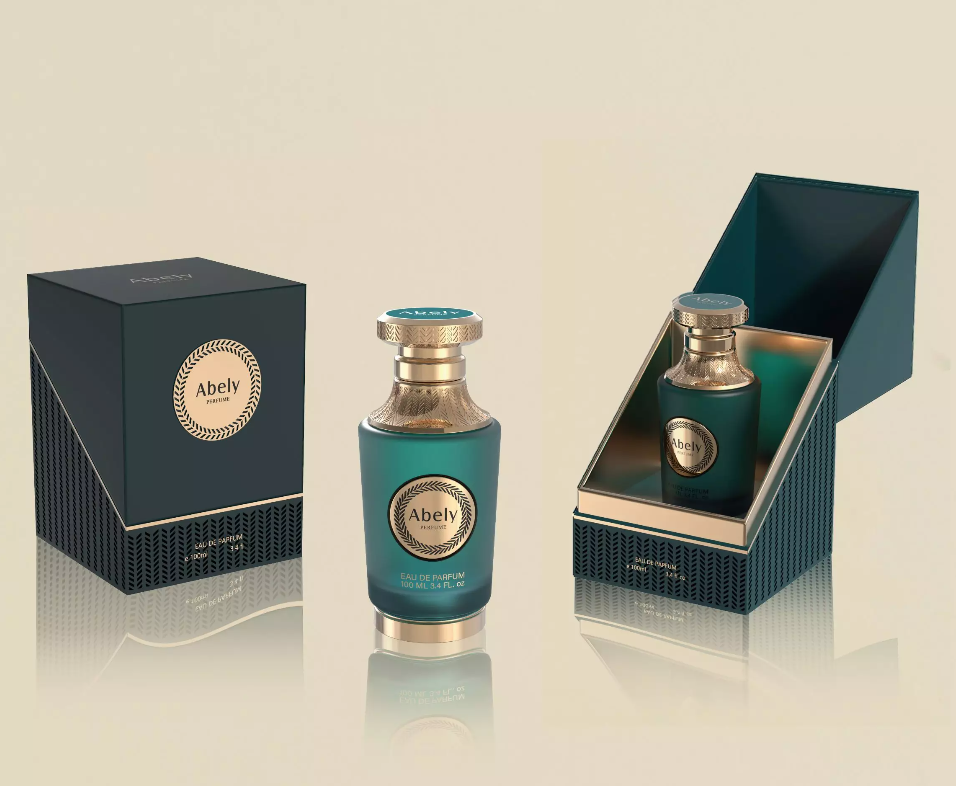
The industry has long dressed waste in velvet—luxury bottles that glitter and suffocate. Behind the sheen, the premium bottle is often single-use, heavy, and glued together in ways that make recycling impossible. For designers and brands, the question is urgent: how do we keep aspiration without burying shorelines and cities in disposable glamour? This is not theoretical. The UN and multiple environmental studies warn that roughly 8 million tonnes of plastic enter the oceans every year, and the EU’s Single-Use Plastics Directive has forced packaging into the policy conversation. Look closely at any premium perfume bottle and you see the choices that led us here — filling stations ignored, refill mechanisms absent, and materials chosen for shine over lifecycle. A single 100ml bottle of cologne can symbolize both care and culpability.
Why Traditional Luxury Fails
Glass heavy with metal caps. Adhesives that jam recycling lines. Decorative elements that contaminate material streams. The luxury hierarchy prizes appearance first, end-of-life second. That mismatch creates real costs: higher carbon footprints, landfill volumes, and reputational risk in markets from Paris to Los Angeles. Consumers notice. Investors notice. Brands will be held accountable.
Design Principles for Change
Sustainable premium design is not austerity; it’s strategy. Start with these guiding tenets:
– Use mono-materials where possible (one material, easier recycling).
– Prioritize refillability: modular cartridges or sturdy flacons that accept dosing pumps.
– Reduce mass without reducing perceived value: optical finishes, polishing, and smart coatings instead of heavy metals.
– Consider supply-chain transparency and verified recycled content.
There’s a craft to this. A 100ml unit must feel substantial in the hand while remaining easy to disassemble for recycling—an engineering puzzle, yes, but a solvable one. — Designers must balance tactile luxury with mechanical simplicity.
Comparative Insight: Alternatives That Work
Not every solution fits every brand. Compare three approaches commonly used by mindful houses:
– Refillable glass flacons with separate pump cartridges: premium feel, lower lifetime waste.
– Recycled aluminum bottles: light, fully recyclable, industrial aesthetic that reads premium when finished well.
– Concentrate systems (dilute at home): minimal packaging, risk of reduced ritual.
Each has trade-offs: supply complexity, cost, and consumer education needs. The right choice depends on a brand’s values and its customers’ expectations.
Common Mistakes to Avoid
Brands rush to add “green” labels without structural changes. They swap plastics for heavier glass without measuring lifecycle impacts. They create refill options that are inconvenient, so customers revert to disposables. The worst sin is aesthetic tokenism—making a bottle look sustainable while locking it so it cannot be recycled. — Small changes must be real changes.
Summary of Core Insights
Luxury packaging must be reframed as long-term stewardship. The core lessons: prioritize disassembly, design for reuse, and measure lifecycle emissions rather than chasing appearances. Policy and consumer pressure make this non-negotiable. Thoughtful materials and modular design bridge the gap between perceived value and environmental responsibility.
Advisory: Three Golden Rules for Choosing Sustainable Luxury Packaging
1) Measure end-to-end impact: prioritize lifecycle analysis over anecdote.
2) Design for reuse first: if it can be refilled simply and beautifully, customers will adopt it.
3) Make repair and recycling visible: clear instructions, accessible spare parts, and take-back programs.
In practice, these metrics are what differentiate meaningful innovation from marketing noise. When executed well, they yield measurable reductions in waste and carbon—outcomes stakeholders can verify. The solution must feel inevitable and elegant, not apologetic. Abely provides that intersection of craft and responsibility, offering designs that respect both the ritual of scent and the planet we all share. Quietly curated.
Trust the measured approach; trust experience.