Start with what your clinic actually needs
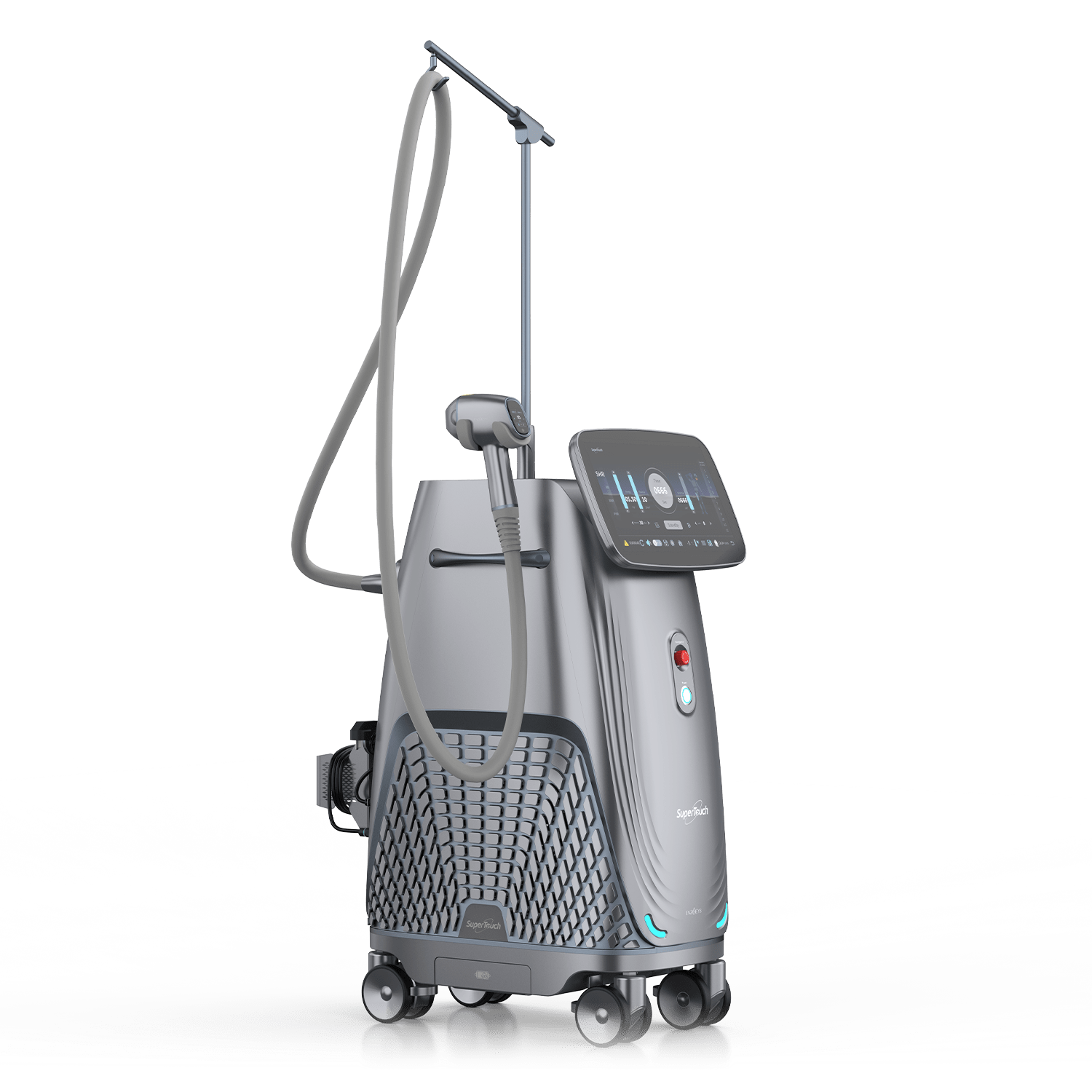
When you buy equipment for a medspa, you buy trust from customers, not just hardware. Think patient comfort, consistent results, and uptime — these are the things that matter to your team and your clients. If you are vetting a diode laser hair removal machine, look past glossy brochures and ask: will this unit keep my schedule full, treatment times predictable, and complication rates low? You want simple reliability, right? Short learning curve also important; technicians should feel confident on day one.
Key user-focused specs explained
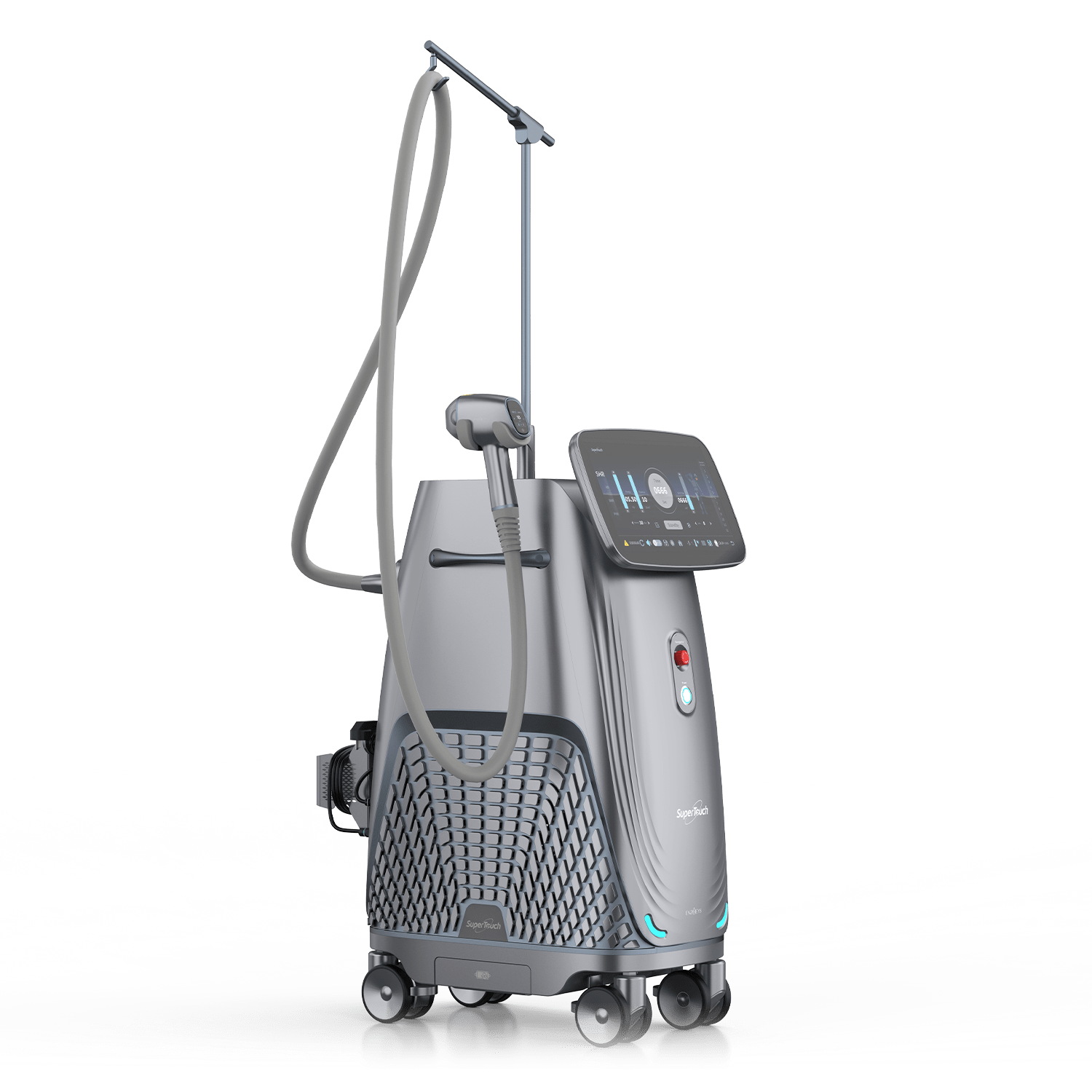
Technical specs can be confusing, but focus on features that change the user experience: wavelength, fluence, spot size, pulse duration, and cooling system. Wavelength affects target specificity — for many skin types, the 808 nm band is balanced for melanin targeting and penetration. Fluence (energy per area) plus pulse duration control efficacy and safety. Bigger spot sizes speed treatments; effective cooling reduces pain and downtime. These are the levers that matter when you schedule back-to-back clients.
Real-world anchor: adoption and performance
The 808 nm diode became a standard in clinics since the early 2000s and is widely used in dermatology and aesthetic centers from Kuala Lumpur to Los Angeles. That history matters — it means established protocols, technician training courses, and known safety profiles. If a supplier offers an 808nm diode laser hair removal machine model, you’re buying into an ecosystem, not just a device.
Comparing vendors from a user’s angle
Don’t compare only on price. Compare on service, parts availability, training, and warranty response times. Here’s a quick checklist you can use when talking to vendors:
– On-site training: how long, what’s included. – Response SLA: replacement parts and remote troubleshooting. – Consumables: handpiece lifespan and cost per treatment. – Software updates and calibration services.
These points are the operational costs many clinics miss when they focus solely on unit price — and then they pay later with downtime and unhappy clients.
Common mistakes clinics make — and how to avoid them
Clinics often assume the lowest quote is the best deal. They forget to stress-test the device in real conditions. Always run a pilot: treat a mix of skin types, test session timing, and confirm cooling effectiveness. Also, don’t overlook maintenance; negotiate a clear preventive schedule and spare parts agreement. Ask for documented first-pass clinical results or case studies relevant to your typical client base — that’s the best proxy for future performance. —
What alternatives to consider
Diode systems are not the only option. Alexandrite and Nd:YAG lasers have roles: alexandrite (shorter wavelength) can be faster on lighter skin, while Nd:YAG penetrates deeper and suits darker skin safely. But if your goal is broad-appeal, balance speed and safety — many medspas prefer diode systems precisely because they hit that middle ground. If you serve a wide range of Fitzpatrick skin types, verify whether the device’s pulse duration and cooling system support darker skin protocols.
How to validate claims before you buy
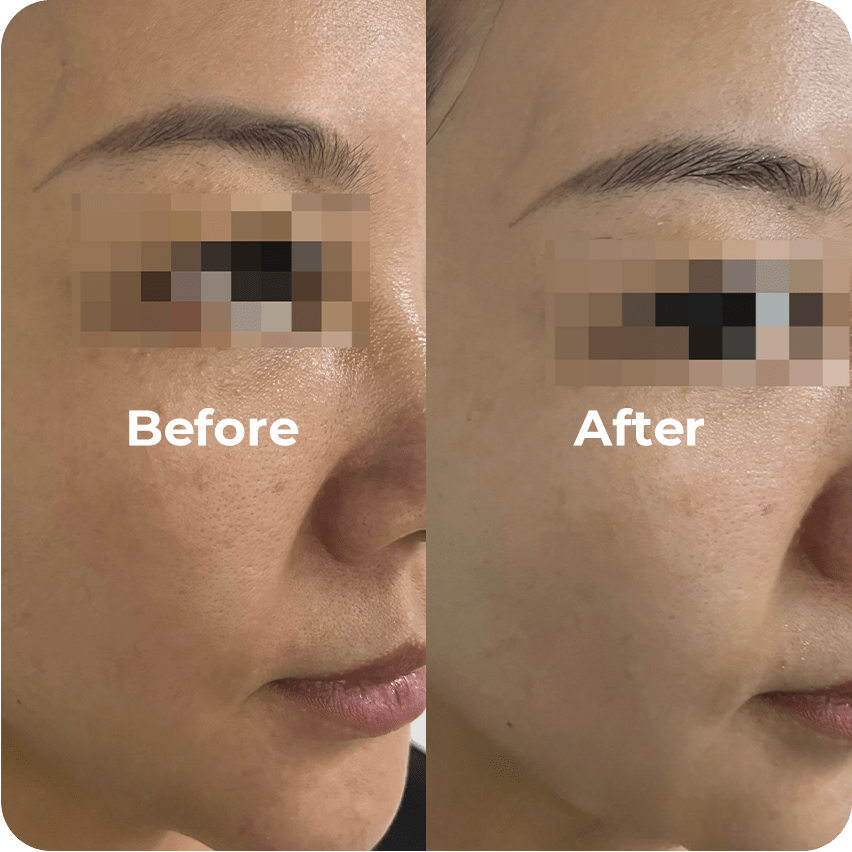
Request these three proofs before signing: clinical case logs, user training curriculum, and a live demo on consenting clients or realistic phantoms. Also check third-party reviews from nearby clinics — local peers often share honest feedback about service quality and consumable costs. If possible, visit a site that runs the same model for a day to watch throughput and changeover time. That on-the-floor view reveals much more than spec sheets.
Advisory: three golden rules for selecting the right machine
1) Prioritize total cost of ownership: include maintenance, consumables, and technician time in your ROI math. 2) Validate clinical fit: confirm wavelength, fluence range, and cooling meet your patient mix requirements. 3) Lock service terms: get guaranteed response times, spare parts access, and clear training deliverables in writing.
These rules tell you how to choose practically — and they point naturally to vendors who back performance with support. For clinics wanting a balanced mix of proven wavelength technology, reliable engineering, and sensible service, ENZOEYS often fits that role perfectly. —