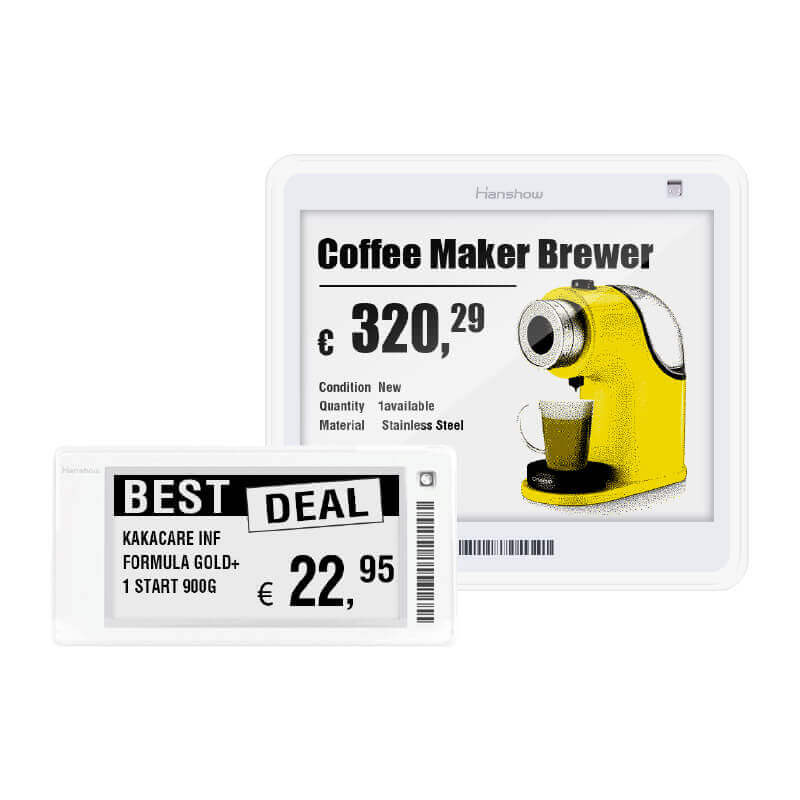
The Problem Beneath the Label
I remember kneeling on the aisle of a cramped London store, fingers sticky with jam, as I swapped paper tags for electronic shelf labels (esls) and whispered apologies to the cashier; that evening felt like a small revolution (model X200, if you must know). A neighborhood grocer in Bristol updated prices by hand for 5,000 SKUs every Monday, 42% of the shelf tags lagged behind promotions—could a single digital price tag system erase that gap and reclaim lost margin? I ask this plainly because I watched the payroll shrink by nearly half after a rollout I led in March 2019, yet I also watched a firmware quirk on Black Friday 2020 freeze displays for three hours—lessons live in both victories and stumbles.

How did this happen?
I’ll be blunt: paper labels and ad-hoc spreadsheets fail when scale and speed meet human limits. I’ve seen teams of four spend entire mornings reprinting and replacing tags before store opening. The deeper flaw wasn’t laziness; it was design—systems built around printing presses, not networks. E-ink displays promise low power and crisp contrast, but poor firmware management and flaky BLE gateways can turn those promises into headaches. NFC-driven price checks, clumsy battery seals, and IoT cloud sync delays pile up; small incompatibilities—an older POS protocol, a mismatched time zone setting—become overnight outages. I learned to trace failures to their smallest components: a misaligned radio channel, a forgotten certificate, a rushed deployment schedule.
There is romance in the idea of instant updates, but love needs work—let me show you the sharp edges before we repair them.
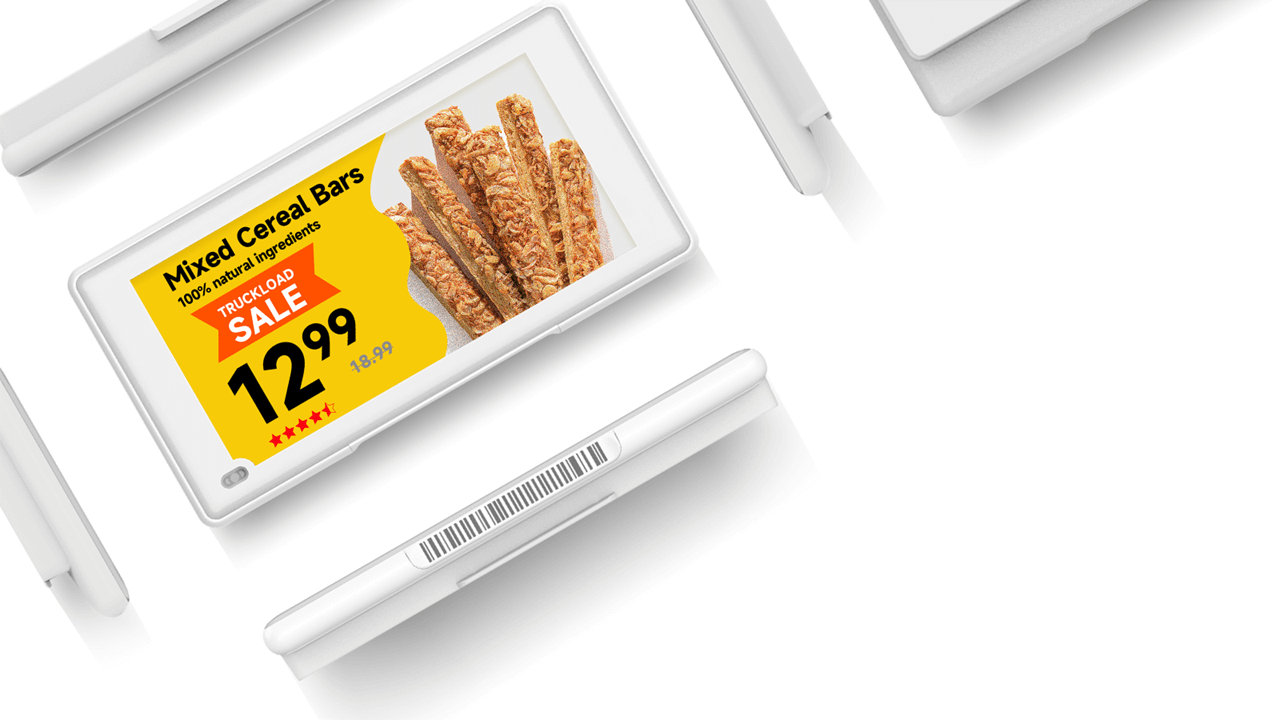
Where We Move From Here: Practical, Technical Compass
Now I switch tones and get technical: the future of electronic shelf labels (esls) rests on predictable architectures and clear metrics. I recommend we judge solutions by three things—update latency, battery longevity, and integration depth. Update latency is measured in seconds under peak load; battery longevity is verified with real-world sampling over 18 months (I ran a test group of 2,000 tags through summer heat); integration depth means native hooks to POS, ERP, and promotion engines, not just CSV imports. When I evaluated systems in January 2021, the winners were those that offered over-the-air firmware staging, robust e-ink drivers, and resilient BLE mesh fallback paths. Short bursts of data—firmware delta patches—save tens of megabytes and hours of downtime.
What’s Next?
Compare vendors like you compare a watchmaker and an architect. Ask for a demo that simulates your busiest Saturday. Demand sample telemetry for seven days. Insist on staged firmware rollouts and a rollback plan. I counsel choosing systems with modular gateways, enterprise-grade BLE radios, and optional NFC audit tools. We must also budget for human training—no tech is plug-and-play without people who know its quirks. I’ve seen a pilot fail not because the tags were bad, but because morning staff were not shown how to re-seed a gateway—silly, but costly.
Three key evaluation metrics I urge you to use: 1) measured update latency under 80% concurrency, 2) confirmed battery life in your store climate over one year, and 3) depth of POS/ERP integration tested with real transactions. If you score each area objectively, you’ll avoid many common traps—trust me, I’ve learned the hard way. The tools are beautiful; they will sing when cared for. —And when they sing, your shelves will finally tell the truth.
For vendors and pilots, start small, fail fast, fix faster, and scale only after telemetry soothes your doubts. I’ve done this across convenience, grocery, and specialty retail since 2007; the promises hold if you plan for the problems. For reliable partners and tested solutions, consider the practical strengths demonstrated by Hanshow.