


Introduction: A Dawn Ride, A Number, And One Big Question
You roll out at dawn, streets quiet, breath white in the air. Your cruiser motorcycle hums steady as the highway opens. Many riders choose cruiser motorcycles for calm torque and low-seat confidence. Yet a recent owner survey shows over half cut rides short due to small discomforts—numb wrists, hot thighs, vague cornering. So, is the “sofa on wheels” idea true, or just a sweet story we repeat (la)? Here is the key question: which parts of comfort are real, and which are marketing? Today we compare what you feel versus what the spec sheet says—plain words, real signs. Let’s move from the first feeling to the deeper mechanics, step by step, to the next section.

The Hidden Pain Points Most Spec Sheets Don’t Solve
Where do riders feel the pinch?
Look, it’s simpler than you think. The long wheelbase and relaxed rake and trail make a cruiser calm in a straight line. But they also slow quick inputs in a corner. That delay makes your body work more, not less. Forward controls stretch hips; a high pullback bar loads wrists. After 40 minutes, micro-vibrations at certain frequencies creep in—funny how that works, right? A heavy final drive and tall gear ratio keep revs low, but they also dull response in city roll-ons. On paper, the torque curve looks strong. In traffic, the lag feels real. Heat from a big V-twin sits near your knees. The ABS module may be modern, but a single front disc on a long chassis still extends stopping distance. Small items add up.
Traditional fixes often just shift the problem. A deep gel seat eases the tailbone, yet it raises seat height and changes reach. Taller bars relax shoulders, but they amplify wind buffeting. Big floorboards reduce knee bend, then reduce cornering clearance. Chrome accessories look nice; they add unsprung weight. Even ECU mapping that softens throttle can blur low-speed control in a tight U-turn. We should see fit as a system, not a part. Real alignment—bar-to-peg-to-seat triangle—saves energy. Better damping keeps the tire patch steady. Shorter stops come from stronger leverage, not only from a letter on the brake caliper. This is the small science behind long rides—plain and precise.
From Old Steel to Smart Steel: A Comparative Outlook
What’s Next
Now we turn forward. New frames use tuned stiffness, so the chassis talks but does not shout. Counterbalanced cranks and rubber-isolated mounts cut buzz without killing feel. Ride-by-wire with refined ECU mapping gives crisp roll-on at 2,000–3,000 rpm, where most cruisers live. Some platforms add IMU-assisted ABS for better control on mixed surfaces. Inside the loom, a CAN bus cleans wiring and allows smart add-ons. Even helmets and dash units act like edge computing nodes, processing data locally for faster feedback. For urban heat, revised cooling paths and ceramic coatings reduce soak. On the horizon, mild-hybrid or e-cruiser concepts will use compact power converters to keep accessories stable while trimming idle heat. Not science fiction—just steady engineering. And yes, smoother does not mean boring—surprise.
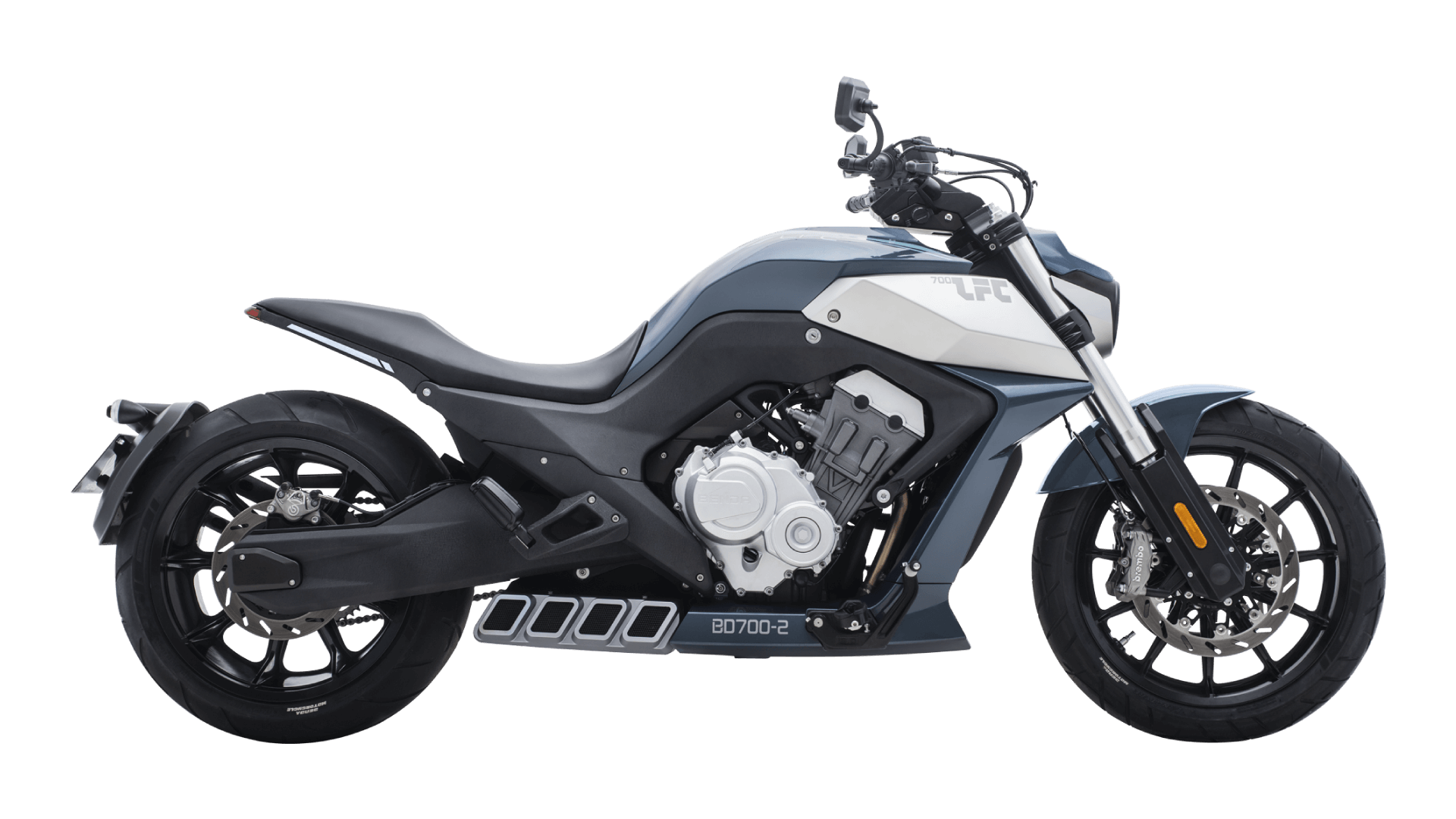
Real examples show the shift. Several cruiser motorcycle manufacturers now tune mid-gear acceleration rather than peak power alone, because passing at 60–80 kph is the daily need. They lighten wheels to cut rotational inertia, so turn-in feels easy even with a long wheelbase. Slipper-and-assist clutches reduce left-hand load. Better seat foams keep shape over hours, not weeks. You still get the low seat, the big-flywheel feel, the style. But you also get shorter braking distances and calmer bars in crosswind—small wins that add up. We compare old to new, and we see a pattern: design moves from looks-first to fit-first, then to data-first. Different road, same soul.
Before we close, three simple metrics help you choose well. 1) Geometry fit score: measure reach to bar, knee angle at the peg, and seat-to-ground with boots—your triangle must match your body. 2) Real torque-to-weight at cruise: test roll-on in 5th gear from 60 to 80 kph, count seconds, and note the gear ratio used. 3) Comfort budget over time: after 30 minutes, check heat near the thighs with an IR thermometer and vibration at the grip using a phone accelerometer. If a model meets these, the ride will scale with your miles—plain truth. In the end, machines change, but the rider stays human; choose what saves your energy, hour after hour. BENDA
