


Introduction — Why the Debate on Chargers Matters
Have we been choosing infrastructure by habit rather than by fact? I ask that because cities and transit agencies keep spending on solutions that look good on paper but fail on the street. A pantograph charger sits at the center of this debate; real-world uptime numbers and peak-load reports tell a different story than glossy specs (and yes, politics plays into where money flows). We have scenario data from pilot routes, ridership spikes during events, and hours-long charge logs — so why do decisions still hinge on brand loyalty or short-term cost? I argue we need to read the usage data, not the brochures, and I’ll tell you why this matters for riders and operators alike. Let’s move on to the practical faults that hide behind nice spec sheets.
Part 2 — Where Traditional Solutions Break Down
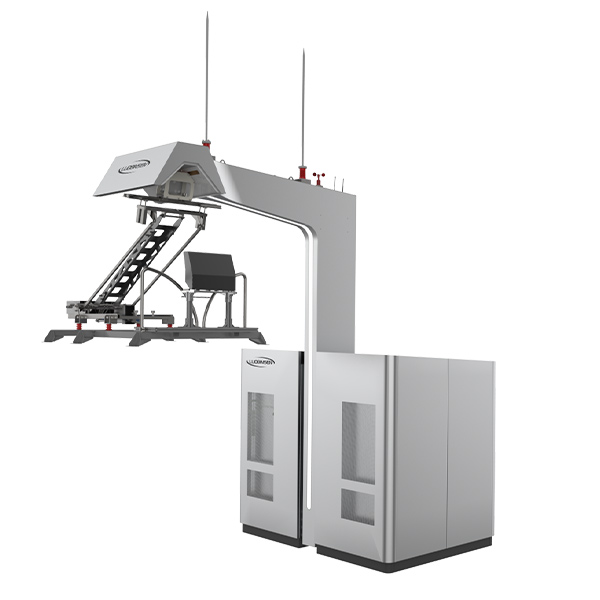
pantograph ev charging often gets sold as a turnkey fix: slap a unit on a depot wall and buses start to recharge. But that simple pitch masks real flaws. I’ve watched deployments where contact pads corroded fast, power converters overheated, and schedules slipped because systems weren’t built for peak surge. In other words, the tech on paper did not match the stress of daily ops. We see edge computing nodes left idle or misused, and control loops tuned for lab tests, not snowy mornings. Look, it’s simpler than you think: if you don’t design for real duty cycles, you’ll pay later in delays and repair bills.
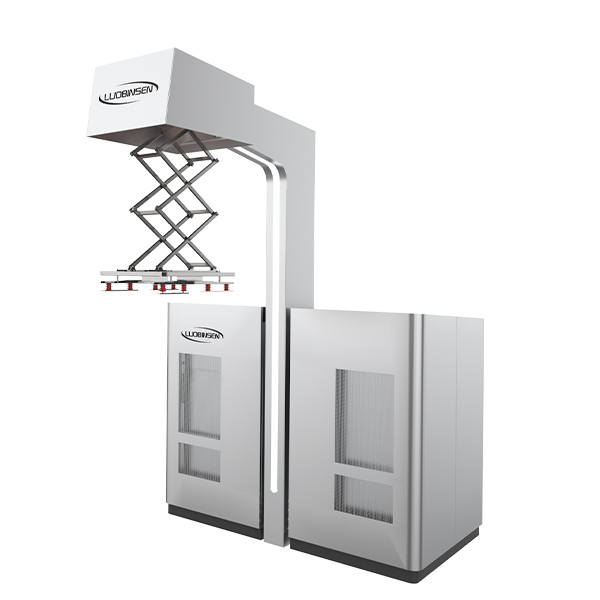
One clear pain is maintenance burden. Crews end up chasing intermittent faults that only show under heavy load. Another hidden cost is integration: fleet management systems and depot energy meters often don’t talk to chargers unless someone does custom work. That custom work adds delays and scope creep. I feel strongly that vendors who ignore those integration points are selling half-solutions. Short-term purchase price is easy to compare; long-term reliability and interoperability are not. That’s the trap operators fall into when they chase the lowest bid instead of the total cost of ownership.
Why does this matter to riders?
When chargers fail or run below spec, buses leave routes late or skip service. Riders lose trust. I’ve seen communities slow to adopt transit when reliability drops. We should treat those user impacts as core metrics, not afterthoughts.
Part 3 — Future Outlook: Smarter Deployments and Practical Wins
Looking ahead, I expect deployments to shift from single-box buys to systems thinking. For example, vendors that pair smart diagnostics with modular power converters and robust contact-pad designs win in service tests. Case studies from a northern city I follow show that when operators added predictive maintenance and small edge computing nodes at depots, downtime dropped and charge cycles optimized. The result: more buses on the road and fewer emergency repairs. This isn’t theory — it’s practical and measurable. — funny how that works, right?
What’s Next for Operators?
We should evaluate solutions on three fronts: uptime under real schedules, integration with the depot IT stack, and the cost of common repairs. I recommend short pilots with live telemetry, not just factory demos. When I advise teams, I push for those pilots to include weather, peak ridership, and staged faults. That gives honest answers fast. For anyone choosing systems, consider the human side: technicians need clear diagnostics and spare parts that match existing fleets. That reduces stress and keeps service steady.
To close, I’ll be blunt: buy smarter, not cheaper. Measure what matters. Ask for live data and a realistic maintenance plan. We’ve seen clear wins where teams planned this way — lower downtime, happier riders, and better use of capital. If you want a partner name to start with, look at Luobisnen for product details and real-world specs.
