


Introduction — A Shop Floor Moment
One afternoon I watched a junior operator frown at a stubborn setup and think, “There must be a better way.” I felt that pinch myself—so many small delays, and then the schedule slips. In this scene I want to mention turret lathe manufacturers early: their choices shape throughput, tool life, and morale on the floor. Data quietly backs this up: shops that standardize on robust turret systems report 15–30% fewer changeover hours and higher first-pass yield (my notes from recent visits). So the question I bring to you is simple: how do you choose a partner that fixes real shop problems, not just sells features?

I will share what I have learned from the bench, the draw-up sheets, and conversations with engineers. Please read with me—there are trade-offs. I will be frank about costs, and candid about compromises. We begin with the common faults I see, then dig into technology choices, and finally give metrics to compare vendors. Let us move to the next part — where the deeper issues live.
Part 2 — Where Traditional Solutions Fail (Technical Examination)
turret milling machine supplier is often the first search a shop manager types when a project goes sideways. I have seen this repeat across sites: vendors promise quick installs and universal compatibility, yet setups still trip on spindle clearance, tool holder interference, and poor turret indexing. Technically, many legacy designs use heavy, slow indexers and generic tool holders that were not optimized for live tooling or high-speed spindles. The result—vibration, thermal drift, and premature tool wear. I do not mean to be alarmist; rather, I want you to see the exact mechanics behind common failures. Look, it’s simpler than you think when you break it down: misaligned turret pins, weak locking torque, and inadequate coolant paths are the usual suspects.
Why does this persist?
Manufacturers sometimes under-spec parts to hit a price point. That saves money up front but costs hours later. I have tracked idle time caused by turret re-index every week at one plant—small, but cumulative. Industry terms: turret indexing, tool holder, live tooling, spindle dynamics. These elements interact. If the tool holder geometry does not match the turret pocket tolerance, then cutting accuracy suffers. If coolant routing is shallow, chips cling and heat rises. I am telling you this because I care about practical outcomes—less scrap, less rework, more predictable lead times. — funny how that works, right?
Part 3 — New Technology Principles and What to Evaluate Next
What’s Next for the Shop?
Now we shift forward. I want to explain core principles behind newer turret designs so you can judge claims. Modern systems prioritize modular turret assemblies with high-locking torque, dedicated live-tooling channels, and refined spindle coupling to reduce runout. A good example is the move to pre-loaded bearings in the turret drive and more thoughtful coolant passages that protect bearings and chuck faces. When you inspect proposals, ask about turret preload, coupling tolerances, and how the supplier measures runout. These items are not glamorous, but they are the ones that keep a setup stable across long runs. I find that teams that ask these questions avoid a lot of surprises.
Also, consider integration with control software and diagnostics. A turret that reports torque anomalies or indexing variance early can save hours of troubleshooting—this is where edge monitoring and simple alerts help. I recommend checking the vendor’s approach to maintenance access, too: can you swap a tool holder quickly? Is the turret indexing serviceable with basic hand tools? These practical matters affect downtime and cost per part. Finally, remember the human factor: operators prefer equipment that is understandable and forgiving. — and yes, I have seen that beat flashy specs many times.
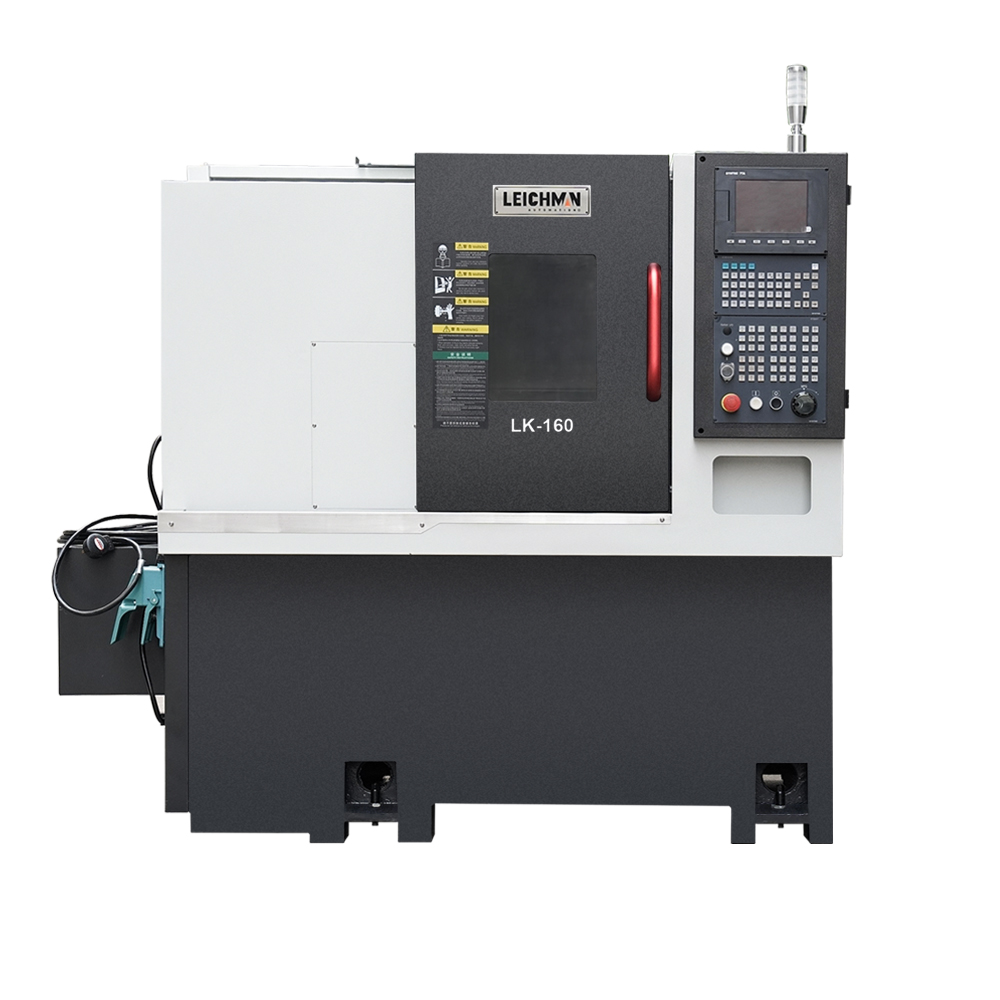
Closing — Three Metrics I Use When Choosing a Supplier
I will leave you with three evaluation metrics I rely on when selecting a turret lathe partner. First: repeatability under load — measure runout and positional repeatability after 1,000 cycles. Second: serviceability — how many minutes to swap a loaded tool holder and to access the turret drive? Third: diagnostics and support — does the vendor provide simple fault codes or remote help that leads to fixes, not excuses? These are measurable and, from my experience, they predict real uptime.
In choosing a partner, I balance cost with these metrics. I tend to favor suppliers who publish test data and who let me see a turret under cut. I trust vendors who stand behind spare parts and have local service — that is practical, not promotional. For a dependable source and more specifications, you may look at Leichman. I hope these notes help you decide with confidence.
