


Introduction
I was at a small market stall last month, watching a young maker test her cream under a dim lamp — she kept adding powder until the mix behaved. In my own notes I call that moment a tiny lab drama; it speaks to why silica in cosmetics matters so much. Data shows many indie formulators hit batch inconsistency up to 30% because of particle variation and poor rheology control, so I ask: how do we fix the unseen gaps in a simple cream or sunscreen? (na so life be sometimes) I’ll walk you through a scene, some numbers, and then ask the right questions — and we move on to the deeper issues next.
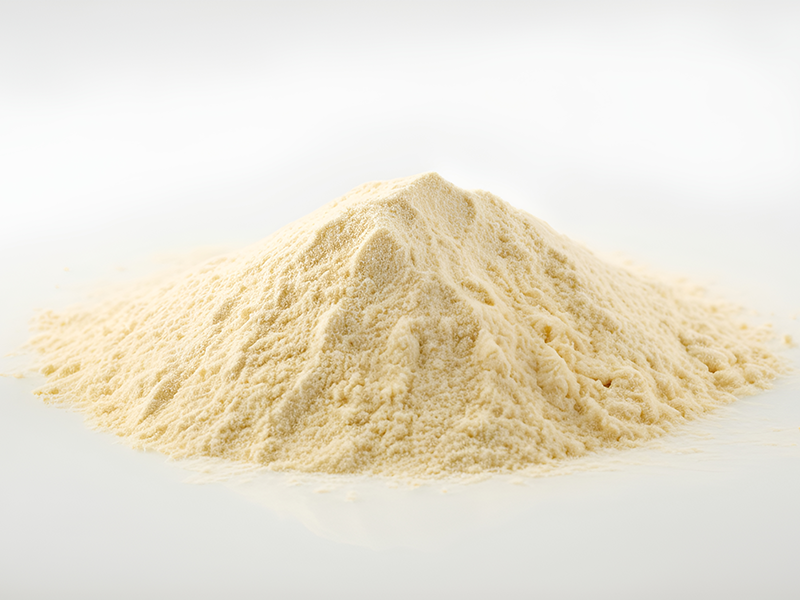
Why Traditional Fixes Fall Short: A Technical Look at Pharmaceutical Silica
pharmaceutical silica often gets pitched as a catch-all: thickener, anti-caking agent, flow aid. But truth? Many old fixes are shallow. Manufacturers rely on coarse micronization or brute-force fillers, and they run into inconsistent bulk density, variable porosity, and unstable adsorption — all of which break formulation stability. I’ve seen labs chase viscosity with more polymer when the real culprit was particle size distribution. Look, it’s simpler than you think: adjust the silica surface chemistry and you change the game — not by adding more binder, but by tuning surface modification and particle morphology.

Technically speaking, the flaw is twofold. First, suppliers give a nominal grade but hides batch-to-batch variance in surface silanol groups; second, formulators treat silica like inert white dust rather than an active excipient that affects emulsion stability and SPF spreadability. This creates unpredictable rheology and poor sensorial feel. We need to stop papering over with more emulsifier — instead, match particle size, surface area, and hydrophobe level to the product purpose. I’m confident that a calibrated approach will cut rework and complaint rates — funny how that works, right?
So what should we measure?
Measure particle size distribution, BET surface area, and bulk density. Add tests for adsorption and porosity. Those three tell you where traditional methods fail and where pharmaceutical silica can help.
Looking Forward: Case Example and Future Outlook with Pharmaceutical Silica
I want to give you a real-world case: a small sunscreen brand kept losing SPF during scale-up. They used a generic silica grade and raised emulsifier to compensate. When we switched to a tailored pharmaceutical silica with controlled surface modification, the spreadability improved, SPF stability rose by 12%, and sensory complaints dropped. This isn’t marketing talk — it’s a practical fix. In short: targeted silica, matched to UV filter mix and oil phase, stabilised the lotion. We saw measurable gains within three batches.
Looking ahead, new approaches lean on smarter particle engineering — controlled porosity, silane coupling to match oil affinity, and micronization that keeps narrow particle size distribution. These principles reduce the need for high emulsifier load and improve tactile feel. We should expect more suppliers to offer tailored grades and technical support. I believe brands that adopt this shift will cut reformulation time and product returns — and yes, consumers will notice the difference in texture and durability. — small changes, big outcomes.
What’s Next?
Test small, then scale: trial batches with different surface-treated silicas, track SPF, viscosity, and spread. Keep an eye on adsorption and bulk density when swapping grades. I recommend practical metrics: particle size CV, BET surface area, and adsorption capacity — they tell the story better than marketing claims. We’ve learned to trust data over assumption, and that saves time, money, and stress.
Closing — My Take and Practical Steps
I’ll be blunt: don’t assume all silica is the same. I’ve been in too many labs where teams blamed emulsifiers and heat profiles when the real issue was particle behavior. My advice — three quick evaluation metrics you can use right away: 1) particle size distribution (look for narrow span), 2) BET surface area (matches adsorption needs), and 3) bulk density (for dosing and flow). Use those and you’ll cut reformulation headaches. If you want to dig deeper, partner with a supplier who offers technical trials and clear specs — that’s worth its weight in trust. In the end, when you tune these things, your product feels better, performs truer, and customers notice — trust me, they do.
For practical sourcing and technical guidance, I often point teams to JSJ — they provide grades and support that helped my clients move from guesswork to control: JSJ.
