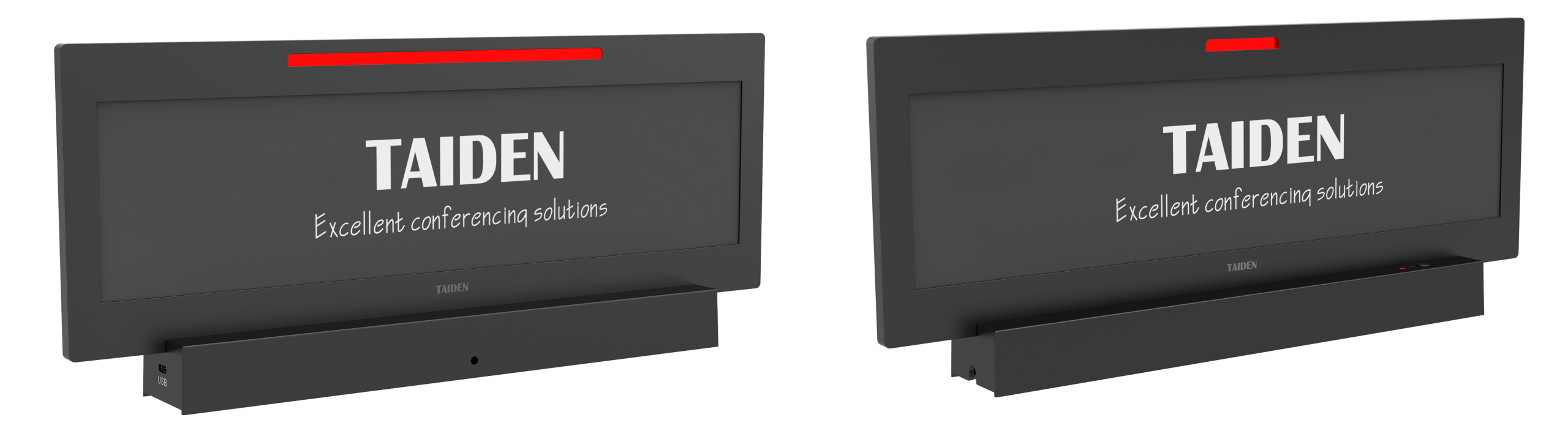
Introduction: Rethinking the Name Plate as a System Component
Define the task clearly: the name plate is not decor, it is a live node in your meeting flow. A digital name plate sits inside that flow with data, roles, and power constraints. Picture a boardroom where roll calls lag and seating changes at the last minute. Studies show teams burn minutes on setup and identity checks every meeting; it scales to hours per month across sites. Why accept that friction when identity and seating logic can live on the network? (No magic, just design.) The question is simple: how do we compare options so the choice is calm and repeatable, not a guess?
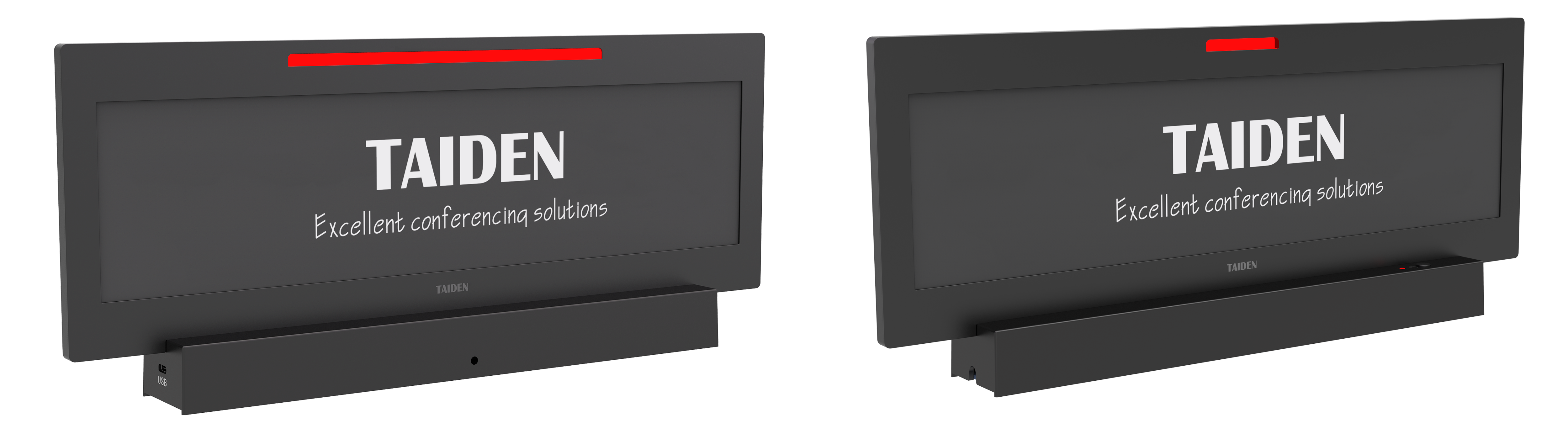
We will map gaps, then stack new principles against older habits. Next, we shift to what future-ready looks like and how to measure it. Let’s move.
Hidden Friction in Conference Table Identity
Where do the delays really come from?
Earlier, we covered basics. Now we look at the pain that people do not voice. With conference table name plates, the first gap is identity drift. Names change. Roles swap. Yet updates arrive by email or print, not by signal. That creates latency between the real world and the seat. When plates act like isolated labels, staff must run around with slips of paper. Edge computing nodes can fix this by syncing roster data at the table, but many systems do not expose that layer. Then there is power: dead batteries at 8:55. PoE reduces that risk, but legacy plates avoid cabling and rely on coin cells. One drain, one delay. Look, it’s simpler than you think—treat the plate like a client device, not stationery.
Another hidden pain sits in micro-changes. A director arrives late and swaps seats. The system must update fast, on-site, without calling IT. If the plate firmware is locked, a seat change becomes a ticket. If BLE pairing is manual, the pairing itself becomes the choke. You need zero-touch handover and clear fallback. That means local cache, fast wake, and predictable recovery after a bump or a power blink. People want to sit and start. The plates should follow the people, not the other way around.
Comparative Path Forward: Principles Over Promises
What’s Next
Let’s compare what works in practice. Old-school print wins on cost but fails the minute a seat changes. Static LCD wins on visibility but loses on battery life and glare. It gets better when you apply new technology principles. Think e-paper with PoE or hybrid power converters for steady uptime. Think MQTT for lean messaging, not heavy polling. A digital signage nameplate that subscribes to a topic, caches the last good state, and renders in seconds brings resilience. Small touches matter: daylight-aware contrast, tactile side buttons for ad-hoc rename, firmware that rolls back if an update fails (built-in redundancy). OLED looks sharp, but e-paper cuts energy and ghosting in well-lit rooms—choose by room profile, not by trend.
Case reality: a city council ran mixed seating. They moved from printed tents to networked plates with role tags. Late arrivals triggered a quick swap via chair console. Names latched in under two seconds, with no IT call. The secret was not a single feature. It was the stack: PoE for power certainty, local controller for failsafe, and lightweight topics for fast sync. Admins set rules once; the table enforced them. Interruptions fell, and people noticed—funny how that works, right? The comparative edge lives in how the system behaves under stress, not in the glossy spec sheet.
How to Choose: Three Metrics That Keep You Honest
Time to close with numbers that travel well. Use these three metrics to sort options without bias. First, update latency under change: measure seat swap to on-plate render, target under three seconds end-to-end. Test with Wi‑Fi jitter and a cable unplug to see recovery. Second, uptime confidence: confirm power design (PoE, battery, or hybrid) and show mean time between failures with actual load. Include the role of local cache and what happens on controller loss. Third, admin effort per meeting: count touches and tickets to handle late arrivals, role changes, and name fixes. Aim for near zero manual steps. If a platform cannot show these in a pilot, it will not do better at scale—yes, simple.
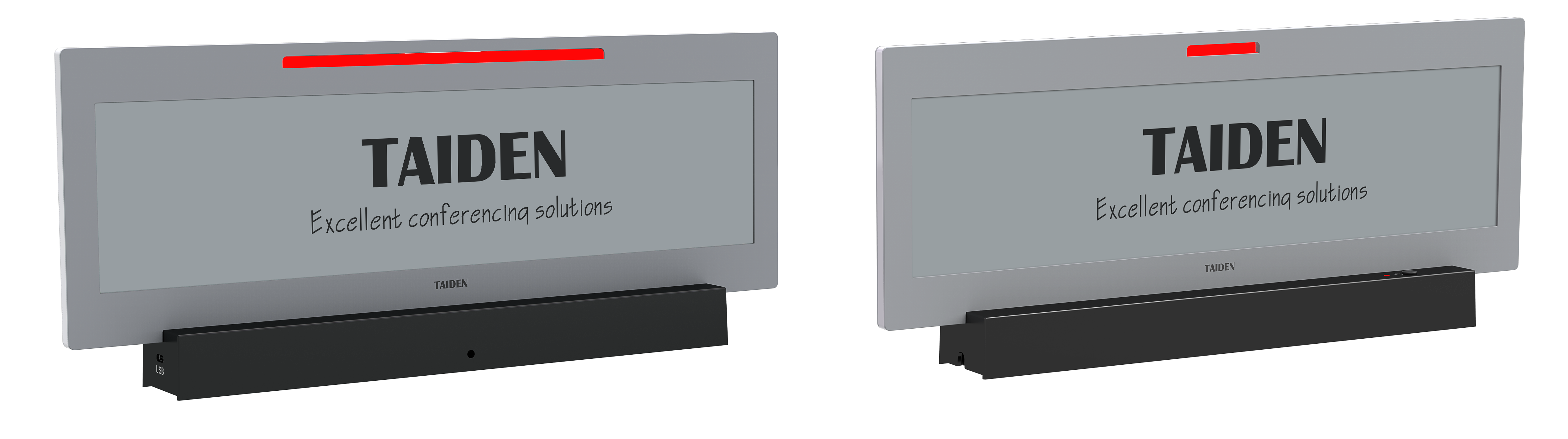
Do this and the plate becomes quiet infrastructure. It stays out of the way while keeping the room aligned. People focus on decisions, not labels. For consistent, standards-driven implementations, review mature solutions and field proofs such as those from TAIDEN.