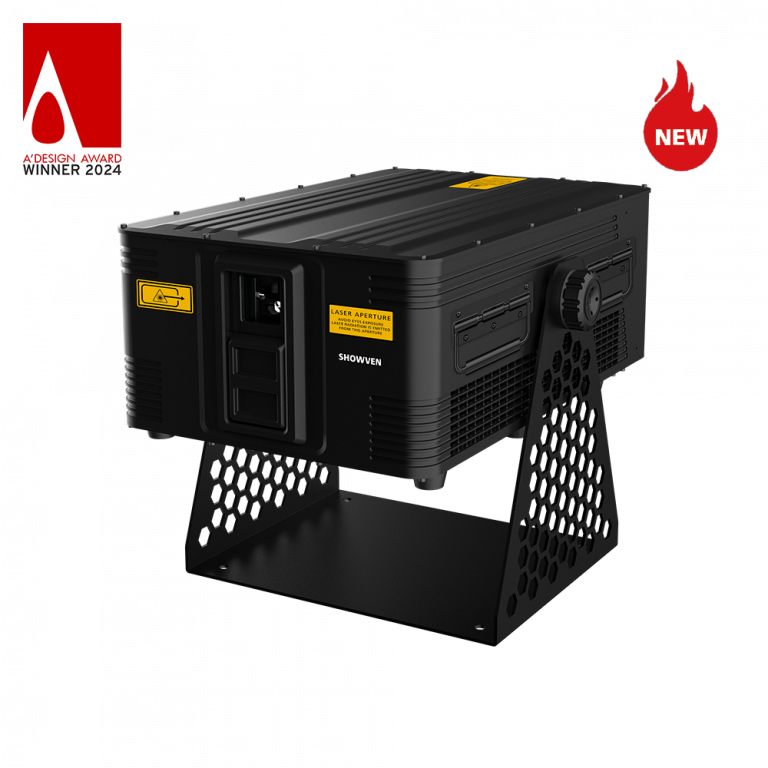
Anecdote at Doors: When the Room Holds Its Breath
Five minutes to doors. The show caller whispers, the crowd hums, and the house sits in blue. The laser lights hang like quiet tools above the haze, ready to snap into life. With modern lasers lighting, the operator checks a console: 12 metres of truss, a 32A feed, four fixtures, and a tight 50 ms timing window. That is the data of a night out. One switch changes the mood, yet the system under it—controllers, power converters, signal paths—decides whether the hit lands. So here’s the rub: if slight latency or beam divergence starts creeping in, your big moment feels small (and the audience knows, even if they can’t say why). Can we make that hit sharper, faster, and safer without bloating the rig? Let’s step behind the console and find out—because this is where “smart” earns its keep.
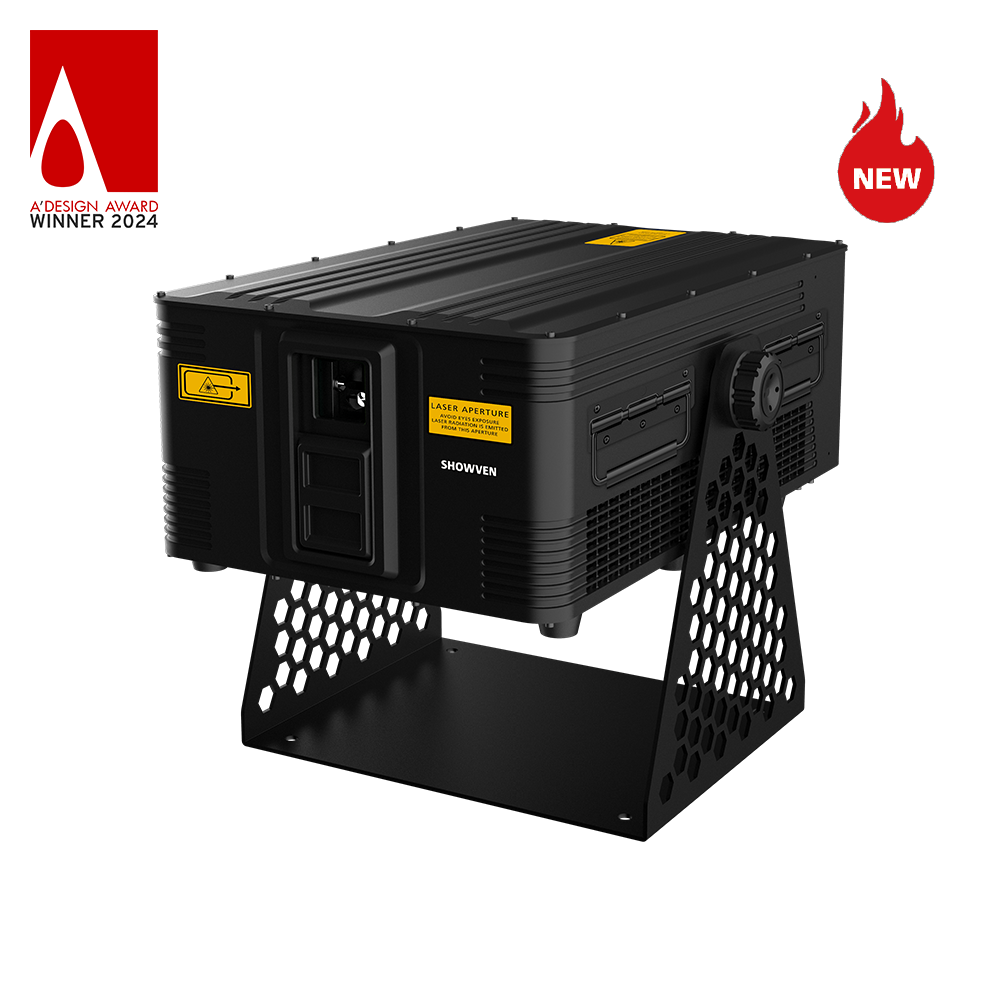
Traditional Rigs, Hidden Friction
Why do old rigs miss the mark?
Classic chains rely on long DMX runs, daisy‑chained signal paths, and a central brain that treats beams like static cues. That design drags. Every hop adds jitter to your latency budget, and every connector is a fail point. Add ageing galvo scanners and inconsistent beam divergence, and you start compensating with more fog and more power. Look, it’s simpler than you think: when the core path is slow, you try to fix feel with volume. That means heavier power converters, more thermal load, and more setup time—funny how that works, right?
The other snag is weather and wear. Without an IP65 rating, housings take in dust or drizzle, so mirrors drift and colours skew. You then rewrite cues to hide drift instead of pushing design. In some venues, opto‑isolators are missing on long lines, so ground loops introduce noise at the worst moment. Safety interlocks? They’re solid but often dumb; they trip, you reset, you pray it sticks. The deeper pain point is this: creatives want fluid motion and crisp aerials, but the rig forces static scenes over dynamic phrases. The tech should adapt to the track, not the other way round.
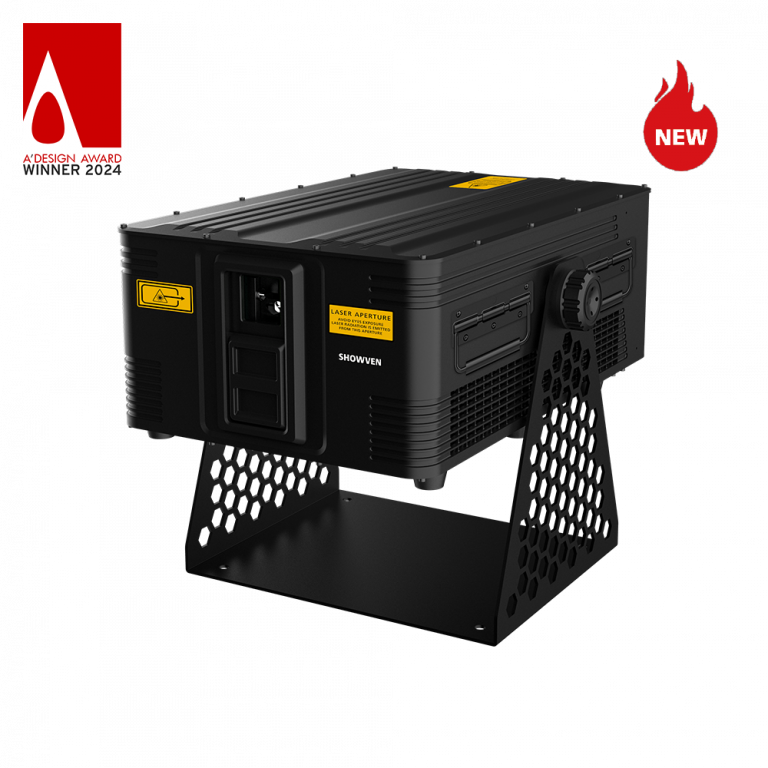
Comparative Moves: Principles Behind the Next Wave
What’s Next
Newer stacks flip the control map. Instead of pushing everything from a single desk, edge computing nodes sit right by the fixtures, parse cues locally, and trim path delay. That makes sweeps feel immediate. Pair that with tuned galvo drivers and predictive smoothing, and aerials stay pin‑sharp at long throws. Even better, adaptive beam shaping can sense haze density and modulate output, so you keep clarity without overcooking power. When you drop in networked safety interlocks, the system fences zones in real time and logs them—useful, calm, precise. Compared with old DMX‑only chains, hybrid IP plus ILDA links cut hops and reduce jitter. The result: lighter cabling, less rework, cleaner looks.
Bring this to the kit list and it’s clear. Modern laser show equipment now treats the beam as a live parameter, not a fixed cue. Weather‑sealed chassis with IP65 rating reduce maintenance cycles; adaptive power converters hold stable output under flaky mains. You design for music, not for cabling. Three metrics to weigh before you buy: 1) latency under load (target sub‑100 ms end‑to‑end with logging); 2) optical performance at distance (beam divergence, galvo bandwidth, and cornering accuracy); 3) resilience in the field (IP rating, thermal headroom, and fail‑safe interlocks). Choose on those, and your rig will feel faster, safer, and frankly more musical—because response is the secret sauce. For a grounded view of the ecosystem and component choices, see Showven Laser.