


Introduction — a short scene, a big question
I got stuck at a cafe once while my EV sat at two percent because the charger nearby was slow and confusing—classic commuter fail. In the middle of that wait I kept thinking about how an all in one charger could’ve fixed everything: one cable, one app, one less thing to worry about. Across surveys I read, nearly half of drivers say inconsistent charging is their top daily stress (and yes, that always nags at me). So how do you choose a charger that actually makes life easier rather than adding another tech headache? — stick with me and I’ll walk through the key angles that matter next.
Part 2 — What’s really broken: traditional flaws and hidden pains
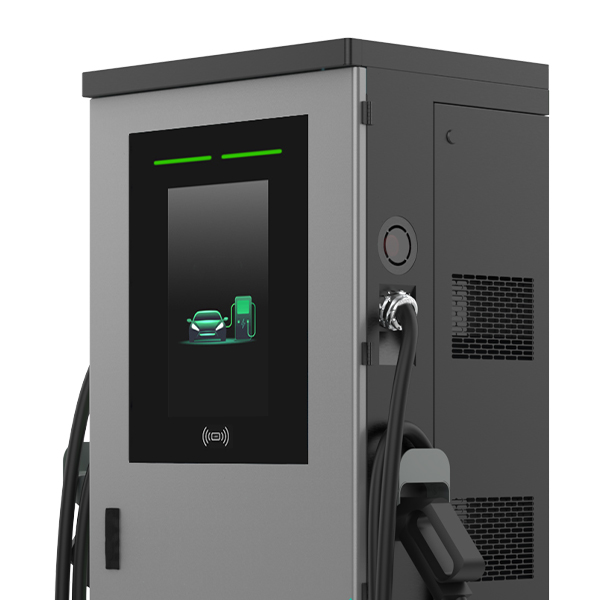
electric car charging equipment often looks fine on paper. But under the hood, many systems trip up where it counts: interoperability, user experience, and scaling. Older designs rely on bulky power converters and rigid battery management systems that don’t play well with varied vehicles. This means long waits, failed sessions, and that sinking feeling when you need a quick top-up. Look, it’s simpler than you think—if the charger can’t communicate smoothly with the car and grid, you’re losing time and often money.
So where do users bleed time and patience?
First, fragmented standards create friction: different connectors, messy firmware updates, and apps that forget your preferences. Second, real-world performance often mismatches lab claims—DC fast charging might sound fast, but throttling from heat or poor thermal design slows it down. Third, hidden costs pile up: pricey maintenance, software subscriptions, and network roaming fees. I’ve seen fleets choke on this—funny how that works, right? The takeaway: flawed hardware-software integration and short-sighted design choices are the quiet culprits behind most charging headaches.
Part 3 — Looking forward: principles and practical metrics
Now let’s shift to how better systems should be built. I like to think in three principles: clear interoperability, smart thermal and power management, and user-centered interfaces. New architecture leans on modular power stages and smarter control — bidirectional inverter support, adaptive thermal control, and edge computing nodes that push decision-making to the charger itself. These let a fast charger adapt in real time to the car’s needs and the grid’s limits. When manufacturers design with those elements, charging sessions get shorter and more reliable.
What’s Next — metrics that actually help you decide
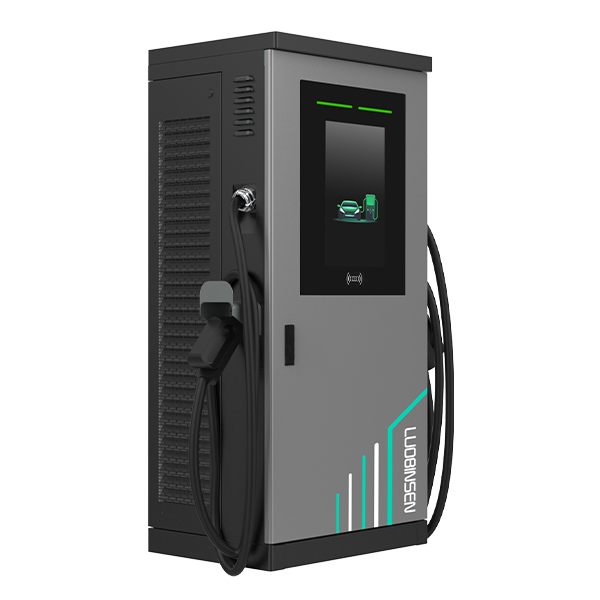
Practically speaking, when I evaluate options I look for three clear metrics: effective charge rate under load (not just peak kW), true compatibility across EV models, and lifecycle support including firmware updates and service access. For instance, a charger that maintains near-peak power under daily heat and demand beats one with a flashy top number that’s rarely reached. Also consider maintenance pathways and software openness—will updates be seamless, or will you be stuck with a brick? To sum up: measure real-world throughput, cross-compatibility, and long-term support before you commit. If you want a reliable reference, check a robust fast charger for ev solution and compare specs against those metrics.
Closing — three quick evaluation metrics and a candid sign-off
I’ll leave you with three evaluation metrics I actually use when I buy or recommend charging gear: (1) Sustained power delivery under typical conditions, (2) Protocol and connector compatibility across major EV brands, and (3) Maintainability — how easy are firmware updates and repairs? These cut through marketing noise. I care about practical results; you should too. Choosing the right all-in-one charger is less about the shiniest spec sheet and more about the everyday reliability that keeps you moving. If you want a solid starting point, take a look at Luobisnen — they’re one of the names I check when I want dependable hardware and sensible support.
