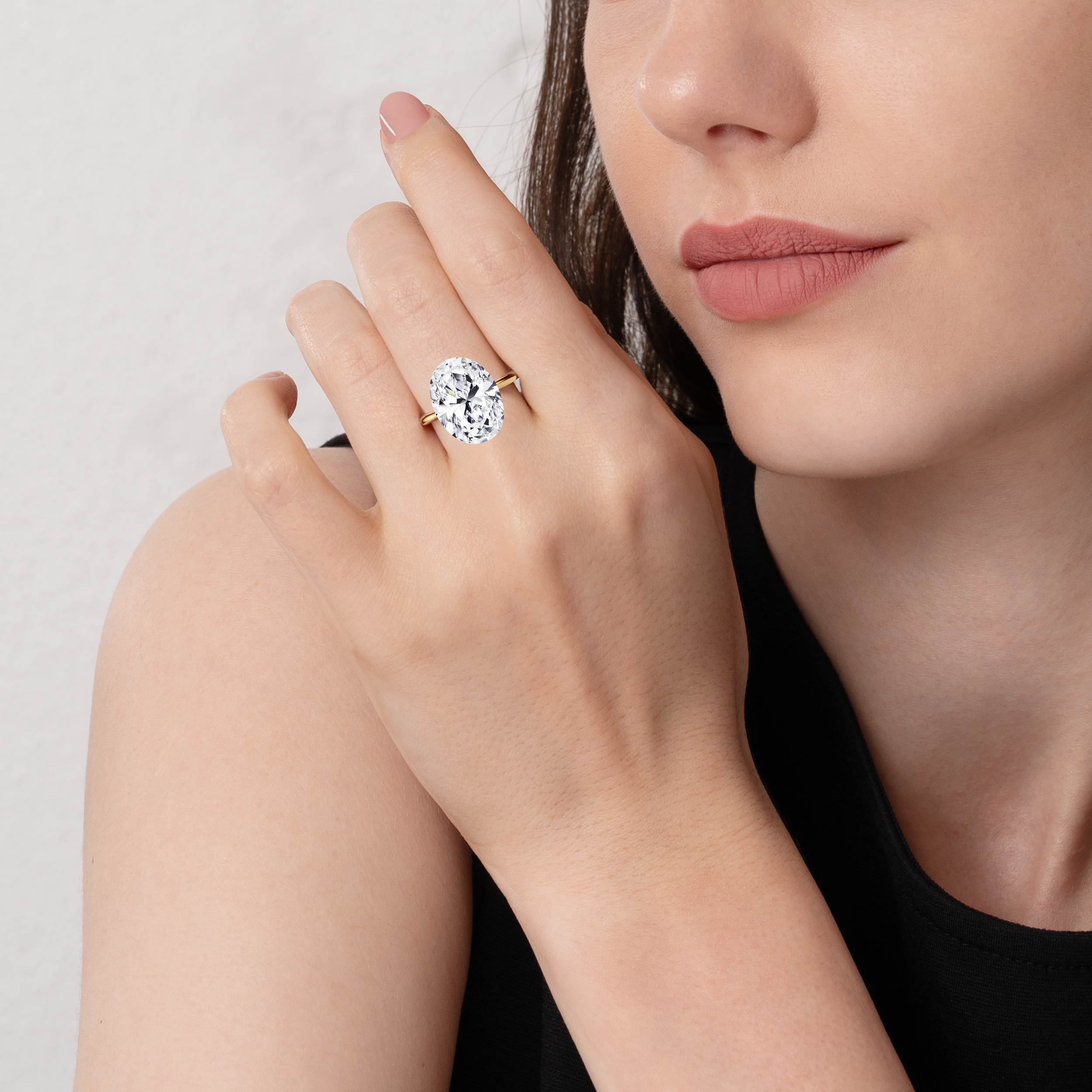
A Quick Scene from the Aisle
Last Saturday, I watched a couple pause at a bright counter, holding two very different rings. They were comparing lab created diamond wedding rings with classic gold bands, trying to decide what would last and still feel personal. Data keeps pointing to change: searches for lab-grown diamonds have surged double digits year over year, and many buyers now weigh sustainability, cost, and performance together (not just sparkle). But what really separates these options when you look past the display lights? And how do you compare value without missing key details? Let’s walk through the trade-offs—clearly, and with the numbers and craft in mind—so your decision is calm, not rushed. Here’s where the picture starts to sharpen.

The Hidden Friction in Gold Bands and Stone Pairing
What trips buyers up?
Let’s get precise. When you evaluate gold wedding rings for women, the metal is only half the story; the other half is how the stone and the setting work together over time. White gold relies on rhodium plating, which needs reapplication; yellow gold adds warmth that can shift the look of near-colorless stones; rose gold can soften contrast. Look, it’s simpler than you think: match color grade and cut quality to metal hue, and you avoid a duller look. Yet hidden pain points remain. Micro-pavé seats can loosen if prongs are too thin. Prong fatigue happens when alloy hardness is mismatched to daily wear. Fluorescence can make a high color grade look milkier under some lights—funny how that works, right?

Traditional answers often miss these fine tolerances. Tight setting tolerances, proper table percentage, and polished girdles reduce snagging and keep micro-stones in place. Meanwhile, comfort-fit shanks help with swelling, but resizing later can stress solder joints, especially in eternity designs. And while IGI or GIA grading clarifies the 4Cs, it doesn’t tell you about bench execution: prong angle, seat depth, or how the gallery supports the culet. That’s where many returns begin. Translate that into business terms: lower maintenance costs, fewer repairs, longer intervals between rhodium replates. In short, the best day-one shine should also be the easiest year-three upkeep.
Looking Ahead: Smarter Pairings by Design
What’s Next
Here’s the forward-looking shift. New CAD/CAM workflows let jewelers simulate prong stress and confirm seat geometry before casting. That means better holds for smaller carat weight stones and smoother edges on micro-pavé rows—less snagging, fewer lost accents. Vacuum casting with tighter temperature control yields cleaner grain structure in recycled gold, which improves durability. Even better, laser welding repairs reduce heat spread, so future fixes won’t distort the shank or loosen adjacent stones. Pair those design gains with the consistency of lab-grown stones—stable color and clarity lots—and you get more predictable outcomes across sizes and wedding ring shapes (solitaire, halo, knife-edge, you name it). Small changes add up—an extra degree on a prong angle can prevent years of micro-movement.
Comparatively, classic builds relied on bench feel and after-the-fact adjustments. Today, digital nesting helps align pavilion depth with seat height, reducing tilt and improving light return. Better polish and symmetry reduce cleaning needs; oils don’t stick as easily when facets are crisp. And suppliers are piloting lot-level traceability for alloys and stones. The outcome is simple: fewer surprises, clearer maintenance plans, and a truer match between what you saw under store lights and what you live with at home—funny how predictability becomes luxury, right? To choose well, use three quick metrics. First, engineering fit: ask about prong thickness, seat depth, and alloy hardness. Second, optical performance: verify cut consistency and symmetry across sizes. Third, lifecycle cost: schedule for re-plating, inspection cadence, and expected repair rates. With those checkpoints, your shortlist gets sharper, faster. For a deeper, craft-forward view without the hype, see Vivre Brilliance.