Setting the Table for Smarter Meetings
Let’s define the core task: a meeting moves signals, content, and votes from inputs to decisions, like heat moving through a pan. A paperless conference system is the kitchen line that keeps that flow steady. Picture a city board session at 9 a.m., screens up, tablets ready, coffee cooling—yet the “first dish” is late. Recent event audits show minutes lost to sign-ins, audio checks, and display sync. That drags the whole service. If time is your ingredient, every delay burns flavor. So, what if we treat meetings like mise en place? Set the layers. Control the temperature. Use edge computing nodes, a clear latency budget, and QoS that actually sticks (not just a checkbox).
In data terms, small cuts add up. Two minutes here, five there, and the stew separates. Are we chasing new features or better flow? And which parts crack under heat—devices, people, or policy? Let’s slice into the details and plate what works next.
Where Paper Meets Pixels: Hidden Gaps You Still Feel
Where do meetings still stumble?
The room is not broken; the seams are. A multimedia congress system promises clean agendas, voting, and multimedia. Yet seat-level friction is real. Users juggle logins, passcodes, and mute states. Audio is “fine” until one seat booms and another whispers. Video lands on the wrong display. And the chair asks, “Can everyone see slide three?”—funny how that works, right? These are not feature gaps. They are flow gaps. The DSP engine may be strong, but if QoS isn’t enforced end-to-end, packets roam. If PoE switches share power poorly, a mic browns out when a camera pans. If firmware falls out of sync, the UI drifts, and trust falls with it. Look, it’s simpler than you think: small mismatches compound under pressure.
Traditional setups lean on centralized fixes and paper backup. That feels safe but adds human detours. People start screen-sharing from personal laptops “just in case,” splitting attention. Beamforming helps, yet placement and gain staging still matter. Redundant topology sounds nice, but without clear failover roles, it’s only a buzzword. The hidden pain point is not lack of capability. It’s the cognitive load to run it all at speed. When the chair must act as tech, the decision simmer stalls.
From Busy to Brilliant: New Principles and Practical Choices
What’s Next
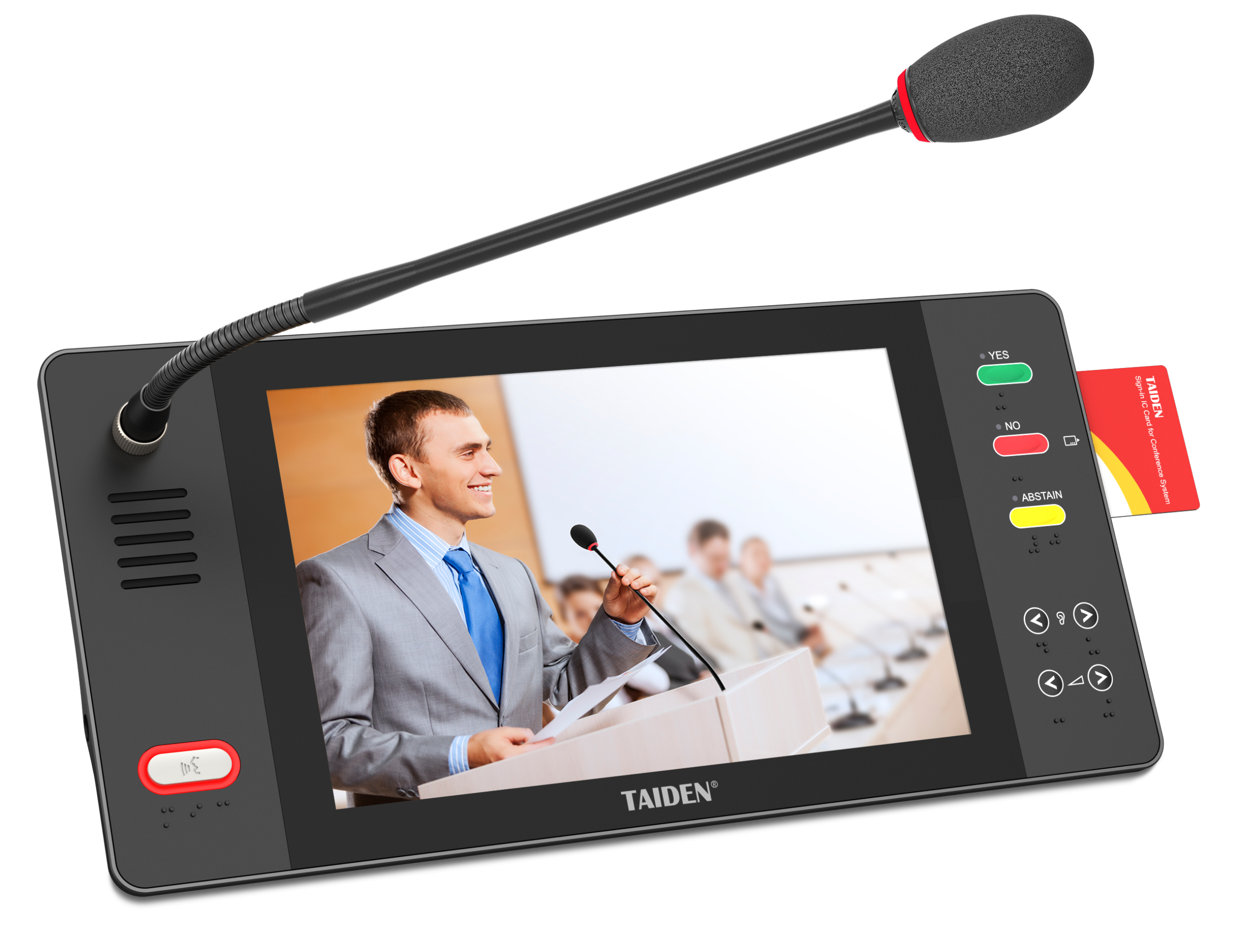
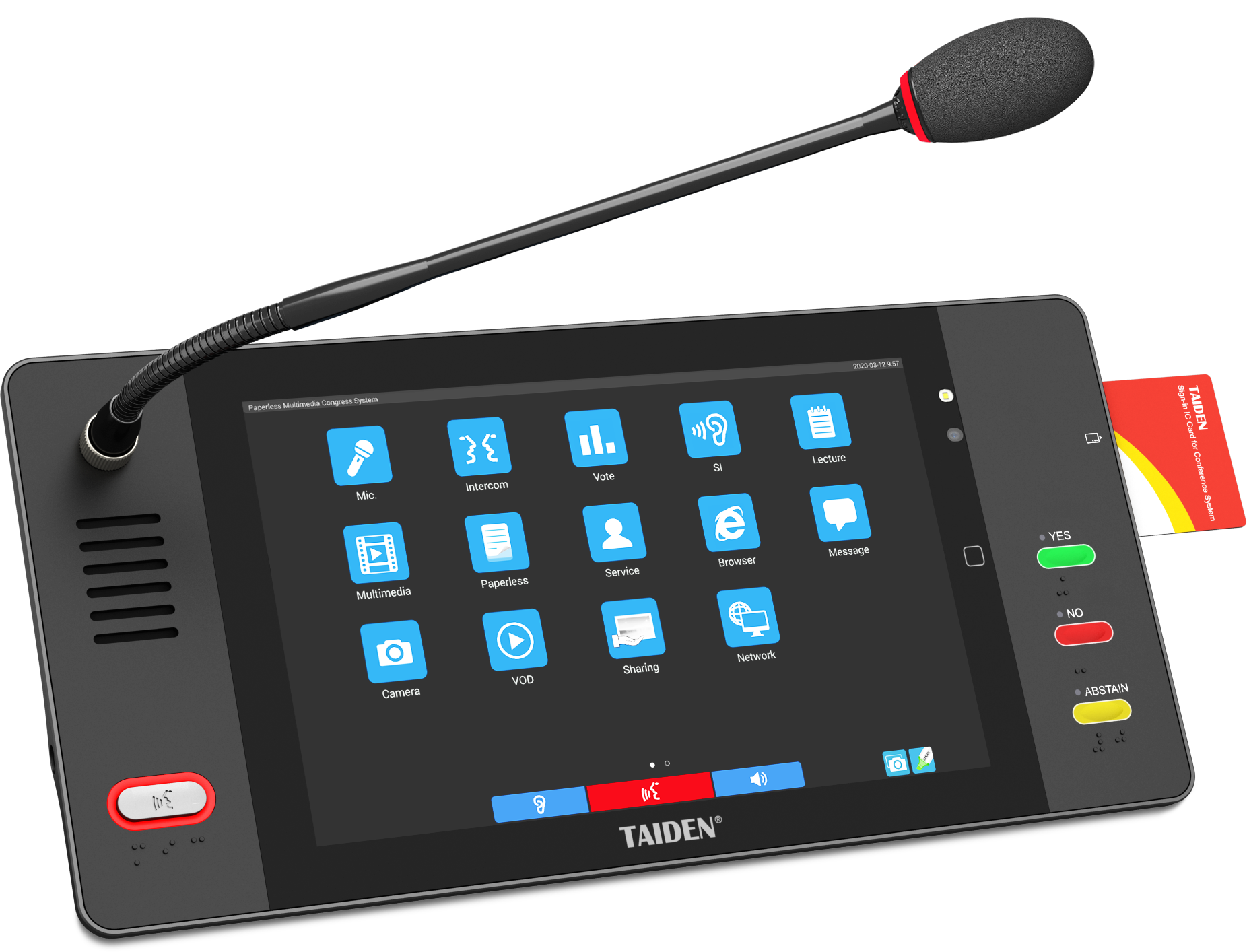
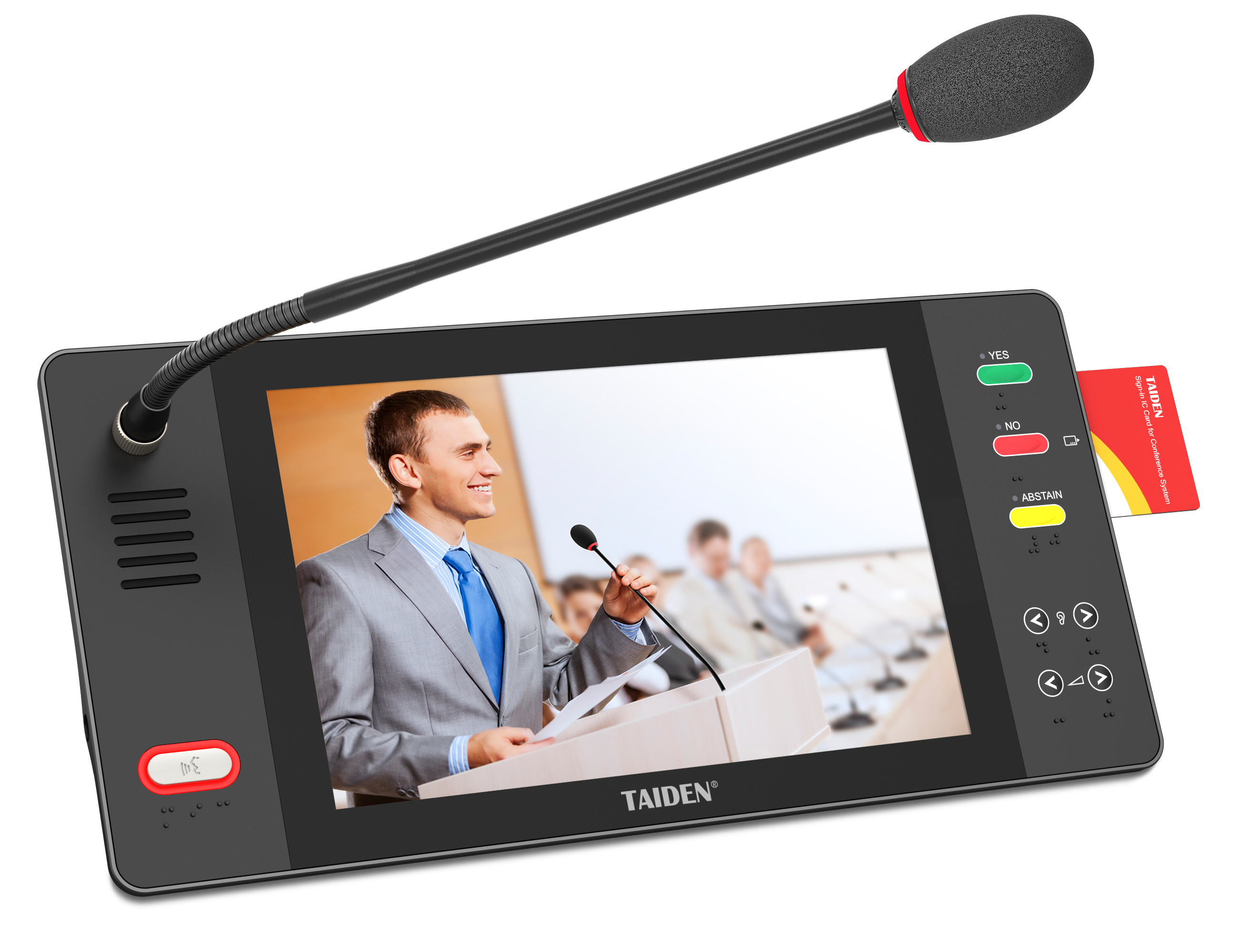
Forward-looking rooms shift control to the edge and simplify the recipe. Seat devices become smart stations, with light compute at the mic and tight sync from server to skin. A microphone with screen shows agenda, voting prompts, and speaking order right where the voice lives—less head-turning, fewer taps. Local DSP trims noise before traffic hits the core. Beamforming and auto-mix rules are pre-tuned to room profiles, not guessed live. PoE feeds stable power, while power converters keep surges tame. Encryption keys roll quietly. Firmware updates stage in the background. Most of all, the latency budget is explicit. Each hop owns a number. No hop, no guess.
Comparatively, old stacks chased “more features.” New stacks chase “less friction.” They borrow from kitchen flow: one station, one task, crisp handoffs. Edge computing nodes reduce round trips; core services handle policy and archival. If a display fails, seats still vote. If the network blips, buffers ride it out. And yes, the chair can lead, not troubleshoot—like a head chef calling the pass. So what should you look at when choosing? Three metrics make it practical. First, outcome latency: from tap to action on screen and audio, under a strict ceiling you can measure live. Second, operational resilience: documented failover paths, redundant topology, and power budgets that account for peak draw. Third, seat usability: average taps per task (join, speak, vote, share) and consistency of UI across roles. Track these for one pilot month. Compare them to your current baseline. You’ll see where the heat escapes, and where the sauce finally reduces—and holds. That’s how meetings get plated on time, every time. TAIDEN