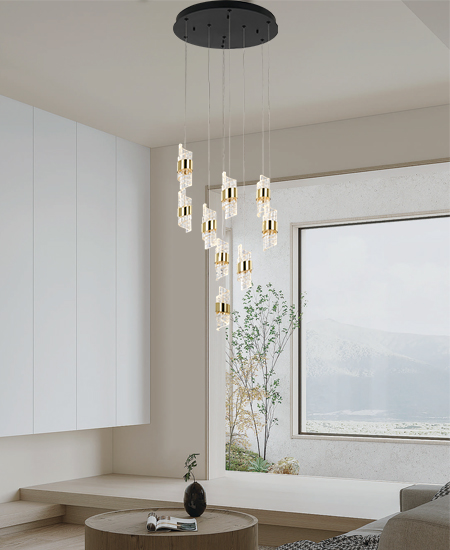
Introduction: Defining “Custom” in the Light
Custom lighting sounds big, but it is simple to define. It means a system that fits space, use, and people. A designer lighting company turns a rough idea into fit-for-purpose luminaires. Many teams begin with sketches, a site walk, and baseline loads. Then they plan custom lighting design & manufacture so the form and the internals match. Picture a hotel lobby at 6 PM, staff rushing, guests with bags. The light must calm the eye, meet a 300–500 lux target, and keep heat low. Data says 60% of commercial fit-outs face schedule slips from fixture rework. Another study shows 20–30% energy waste when controls do not match the actual traffic pattern (surprising, right?). So we ask: what breaks between the first mood board and the final switch-on?
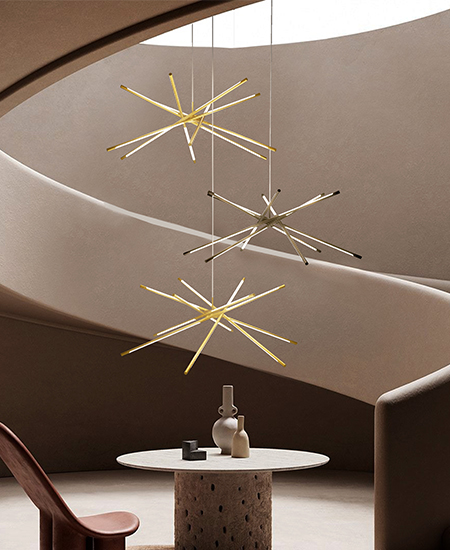
Here is the pivot we need for the rest of the story—clear, simple, and real. We will map the gap, then show how to close it with practical choices. Next up: the pain you cannot see at bid time.
Hidden User Pain Points Behind the Beautiful Render
Why do custom projects stall?
On paper, the render looks perfect. In the ceiling, it fights back. The first hidden pain is mismatch between photometric data and lived behavior. People move. Aisles change. Lumen output that is fine at 2 meters can glare at 1.6. Controls add more risk. DALI scenes get too complex for staff. DMX512 chases look great in a mockup, but ops cannot maintain them. Then there is thermal management. A slim profile wins the mood board, yet the heat sink starves, drivers derate, and color shifts. Look, it’s simpler than you think: when the spec hides maintenance, the site pays later—funny how that works, right?
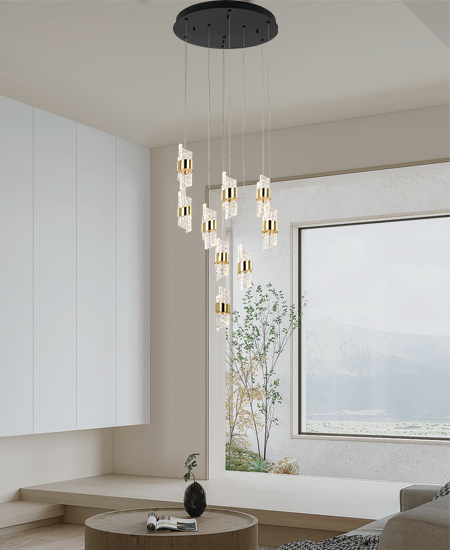
The second pain sits in the guts. Power converters and drivers vary by ripple, PF, and surge tolerance. If the grid is noisy, LEDs flicker at low dim levels. If the diffuser optics are swapped late, CRI and glare index move. Procurement tries to fix with “equivalents,” but cable drop and IP rating do not forgive. Then comes service. Without a clear spare-part map, night-shift staff swap whole heads for one bad board. Cost climbs. Time goes. In short, the old way optimizes the first install, not the next five years.
Comparative Insight: Modular Intelligence vs One-Off Builds
What’s Next
Let us compare two paths. Path A is the traditional one-off build. It seeks the exact look, locks parts, and prays the site stays stable. Path B adds modular intelligence. Core optics, drivers, and heat sinks are standardized blocks. The skin and scale flex per project. Add small edge computing nodes at key hubs. They pre-process sensor data and update scenes locally, even if the cloud sleeps. With this, commissioning shifts from weeks to days. You tune with live heat maps, not guesswork. The principle is simple: decouple the look from the logic, and keep the logic swappable. When you update firmware, you do not touch the chandelier. When you change the diffuser, you do not break the network—funny how that works, right?
We have seen this approach scale from boutique retail to mid-size resorts. In one case, a gallery cut energy by 28% using occupancy clustering and daylight trim, while keeping color point stable with onboard sensors. Another site reduced call-outs by standardizing two driver types across nine forms. It felt like magic, but it is just method. For teams planning bespoke lighting design, think forward, not only outward. Summing up: users needed less friction, faster swaps, and controls that speak human. To choose well, use three checks now: 1) Lifecycle clarity: parts map, firmware path, and spare kits for 5 years; 2) Photometric fit: tested scenes with real occupants, not just lab lux; 3) Electrical resilience: driver specs (THD, surge, dim floor) proven on your panel. Keep the tone calm, the data honest, and the handover clean. In the end, light should serve people, quietly. That is the craft we refine at kinglong.