Introduction — why a framework helps you win
If you make, source, or specify fragrance ingredients, a repeatable framework keeps quality predictable and cost transparent. Start here: understand how paramenthane fits into your product matrix, what purity targets you need, and which controls protect your supply chain. This article walks you through a stepwise framework—clear, practical, and meant to be applied immediately—so you can evaluate suppliers and processes with confidence.

Framework overview: four pillars to assess
Think in four pillars: specification, process control, analytics, and supply assurance. Specification means your target purity and acceptable impurity profile. Process control covers hydrogenation steps, distillation cuts, and batch consistency measures. Analytics refers to QC tools like GC-MS and stability testing. Supply assurance checks certifications, lead-time history, and regulatory alignment (for instance, EU REACH compliance as a gating requirement for European markets). These pillars become your scorecard when comparing vendors.
Step 1 — define the right spec
Be precise. Don’t say “high purity”—state a percent GC purity, a list of critical impurities with limits, and acceptable moisture or residual solvents. Specify acceptable grade (analytical grade, technical, or pharma-adjacent) and the physical form you require. Clear specs reduce rework downstream and shrink first-article cycles.
Step 2 — map the manufacturing route
Ask suppliers to diagram their route: which hydrogenation catalysts they use, how many distillation stages there are, and where critical control points sit. When a vendor can show a validated process with defined in-process checks, you avoid surprises on scale-up. Also consider whether they perform in-house purification versus contract finishing—each choice affects control and cost.
Step 3 — insist on analytics and traceability
Good analytics are non-negotiable. Require GC-MS fingerprints, batch COAs, and stability data tied to storage conditions. Traceability should let you map a finished batch back to raw-material lots and intermediate QC results. These practices keep impurity issues discoverable and fixable before they impact fills.
Step 4 — vet supply assurance and compliance
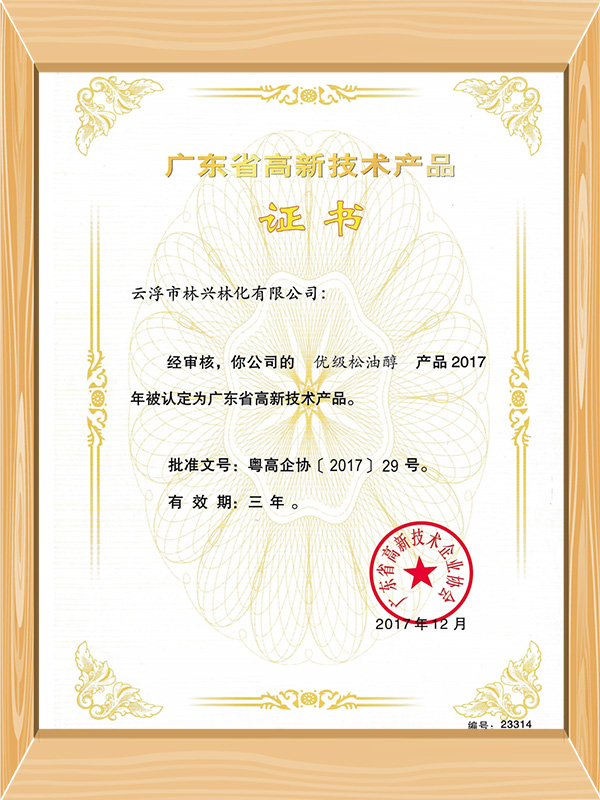
Evaluate lead-time consistency, documented contingency plans, and certifications such as ISO 9001 or relevant GMP-adjacent practices. Confirm that the supplier understands regulatory pathways for fragrance ingredients and can supply technical dossiers when needed. If you use an industrial chemical intermediate downstream, alignment on change notifications and lot hold policies matters.
Common mistakes and how to avoid them
Teams often skip challenge testing (e.g., leaving out compatibility checks with closures or solvents) or underestimate tooling and handling impacts on purity. They also accept generic COAs without raw-material traceability—this is asking for surprise rejects. A quick mitigation: require a pilot batch run with full analytical reporting and a defined acceptance matrix before committing to a full production order. —

Practical checklist for supplier conversations
Use this short checklist in meetings: 1) show me process route diagram and critical control points; 2) provide representative GC-MS and impurity profile; 3) demonstrate historical lead-time adherence and contingency records; 4) confirm regulatory dossiers and change-notification policy. These items convert abstract promises into verifiable commitments.
When to prioritize cost vs. control
If your product tolerates wider impurity ranges (e.g., commodity formulations), cost and capacity may dominate selection. If you’re launching a premium fragrance or require tight sensory consistency, prioritize process control and analytics even at higher unit cost. These trade-offs decide whether you partner with a high-volume commodity producer or a specialist focused on batch consistency and purity.
Three golden evaluation metrics (your final rubric)
1) Purity and impurity control: target GC purity and documented impurity profile conformity across three consecutive batches. 2) Process transparency: a supplied route map with identified critical control points and in-process test results. 3) Supply resilience: historical lead-time variance, documented contingency plans, and regulatory readiness. Score vendors on these metrics to make decisions that scale.
Follow this framework and you’ll reduce surprises, shorten qualification time, and protect product quality—exactly the outcomes that make a difference in fragrance manufacturing. Linxingpinechem. —