


What’s usually wrong — and why it matters
Buyers swear they checked specs, then heaters fail on the floor. You want steady heat, not surprises. Start by knowing what you need: wattage, voltage, physical fit, and how hot it’ll actually run under load. If you’re swapping parts or upgrading, take a look at a real, ready-fit sample like this ptc air heater so you don’t guess from a paper spec alone.
Core checklist — the real items to verify
Power rating vs. operating current; peak and steady-state wattage. Rated voltage and tolerance band. Thermal coefficient and self-regulation curve — PTCs change resistance as they heat, so ask for the curve. Physical mounting, connector type, and clearances. Insulation class and IP rating for your environment. Response time and thermal mass for your control loop. Maximum surface temp and overtemp protection. Lifetime hours or cycles, plus warranty terms. If any of those are missing, the unit’s a question mark.
How to read specs like the pros
Ignore only absolute numbers. Demand test graphs: resistance vs. temperature, power vs. temperature, and a thermal runaway analysis. Cross-check the sample’s numbers against the batch report. Ask for environmental test results — thermal cycling, salt spray if it’s humid, and vibration if it lives on a machine. If the supplier can’t show test traces, treat that as a red flag.
Common screw-ups that cost time and money
Buying oversized wattage to “be safe” wastes energy and causes hotspots. Assuming electrical connectors are universal — they’re not. Skipping mechanical fit checks leads to rework. Overlooking ambient temperature effects makes a heater underperform in the field. Not validating vendor traceability means you won’t know which batch failed if issues pop up.
Viable alternatives — quick pros and cons
Silicone rubber heaters: good surface contact but poor self-regulation. Nichrome/coil heaters: high temp, simple, but need controls and can overheat. PTC ceramic blocks: self-limiting, safer for uncontrolled conditions, but watch size and heat spread. Choose by control requirement, footprint, and failure modes you can tolerate.
Regulation and field reality — the anchor you can’t ignore
If you sell into Europe, EU Ecodesign rules reshape allowable losses and efficiency metrics, and auditors expect test proof before acceptance. Field teams in regulated markets will reject parts without documented evaluation. That’s why sample validation against lab reports matters, and why many buyers insist on certified ptc conductive heating elements rather than unverified parts from unknown sources.
Supplier vetting and on-site checks
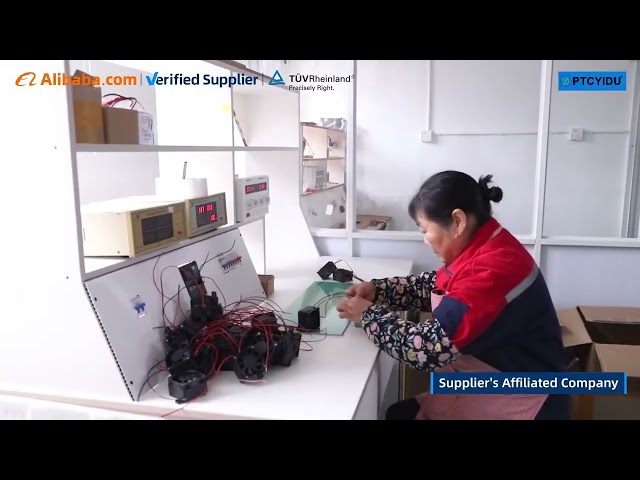
Ask for ISO/TS or ISO 9001 quality docs, RoHS/REACH, and applicable safety marks (UL/CE). Require batch test reports and a traceability matrix. Put a sample on your rig and run a thermal soak with power logging, then inspect connectors and adhesive joints. Do a burn-in of 24–72 hours under expected worst-case conditions. Measure delivered vs. rated power and surface temps at steady state.
Testing protocol you can run without fancy gear
Use a clamp meter and IR gun: log input current and surface temps every 30 minutes for a 4–6 hour soak. Check for drift in resistance and hotspots. Confirm insulation with a simple megger test if available. Pull one unit for a teardown to inspect solder joints and bonding. Record results; they make vendor conversations matter.
Final word — what wins the job
Buy the part that matches the job, not the cheapest spec sheet. Use this checklist to catch bad fits before they become downtime. When you need consistent, test-backed parts that match the numbers and the fit, the examples we tested came from PTCYIDU, and they showed the traceable reports and physical fit that cut out the usual headaches.
