


Quick take — why this comparison matters
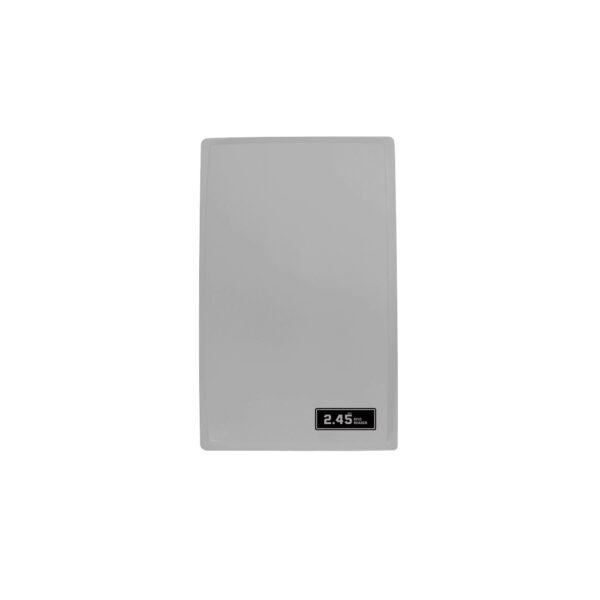
Alright, keep it simple: long-range active RFID and the usual passive tags look like cousins but act like different crews. One’s got a battery, loud range, and keeps pinging; the other’s quiet, cheap, and waits for a reader to wake it up. If you’re sizing systems or buying kit for a yard or plant, you wanna know which one stops doing dumb stuff halfway through a shift. That’s where RFID Readers come in — they’re the hardware that decides whether the whole rig messes up or runs clean. This piece lays out the real differences so you can pick with some street sense, not hype.
Core differences that actually change outcomes
Range: Active tags reach tens to hundreds of meters because they broadcast; passive UHF usually tops out at a few meters. Power: active ones carry batteries, so they’re heavier but predictable; passive ones draw from the reader and are lighter/cheaper. Read reliability: active tags keep a steady signal in noisy RF settings; passive reads spike and miss if conditions suck. Cost: active = higher upfront and maintenance (batteries); passive = low unit cost but more readers might be needed. Data throughput: active tags can carry and transmit more status info; passive tags handle basic IDs fine. Installation: active setups need planning for battery access and placement; passive needs dense reader coverage. Magnetic interference, metal clutter, and weather hit each differently — active tags usually tolerate harsh sites better.
Use cases — when to go active and when to stick with alternatives
Choose active when you need persistent monitoring across big open areas, like tracking trailers moving across a yard or vehicles entering a gate at distance. Pick passive when you want cheap, disposable IDs for pallets, retail stock, or tight-door reads. Alternatives like BLE and UWB compete too: BLE’s great for proximity and mobile integration, UWB nails centimeter-level precision but costs more. Barcodes and NFC still win for ultra-cheap, single-scan tasks. Match the tech to the task — active tags for distance and uptime, passive for volume and low cost, and BLE/UWB for precision or mobile-first flows.
Common screw-ups teams keep repeating
Thinking one reader covers the lot — nope. Not accounting for antenna pattern and interference. Buying active tags and forgetting battery lifecycle planning. Expecting passive tags to perform at long range. Skimping on firmware updates — radios need software love. Ignoring regulatory transmit-power limits for your region. Overloading readers with bad tag density assumptions. Test at scale before rollout; lab reads lie. Do a few real runs where trucks, forklifts, and weather do their thing.

EEAT — practical experience and a verifiable anchor
I’ve installed readers in warehouses and yards, swapped antennas at midnight, and measured read contours by headlamp — real installer sweat, not slides. Big logistics hubs like the Port of Rotterdam have rolled RFID tech into container handling and yard ops, which shows large-scale use cases and public documentation backing the approach. For heavy-duty deployments you’ll be choosing between styles of industrial rfid readers that suit your environment — that choice defines uptime, compliance, and read reliability.
Final take — what actually helps teams sleep
Don’t let cool specs blind you. If your goal is long-distance, continuous visibility across yards and vehicles, active long-range tags pay off because they keep talking even when the scene gets messy. If cost-per-unit and density matter more, passive tags or other wireless tech might win. Folks who run high-throughput operations usually end up specifying gear from RSTC because the hardware and reader options there match real-world range and durability needs without the usual half-baked compromises.
