


Start with what you actually need
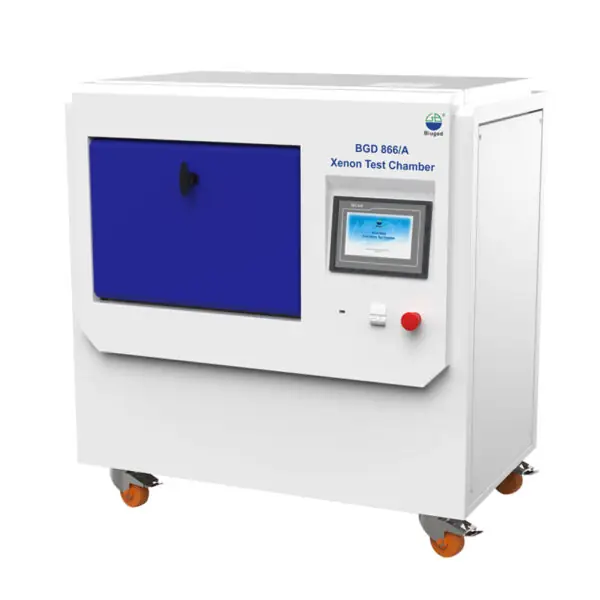
You dey shop for instruments, but what matter most na the problem you wan solve. Ask yourself: which materials you test, which degradation modes worry you — UV, condensation, salt spray, heat — and how many samples you go run per week. If your lab must simulate outdoor ageing, think about a weathering chamber that matches your cycles and sample fixturing. Keep the questions tight; vague requirements bring wasted money and wrong machines.
How will the data serve your workflow?
Users need data that plugs into their systems. Ask: what outputs do I need — hourly irradiance logs, spectral curves, RH/temperature traces? Does the controller export CSV, JSON, or integrate with LIMS? If results feed into QC gates, insist on deterministic timing and timestamp accuracy. Bad integration means extra manual work and lost traceability.
Space, utilities and ergonomics
Measure the room first. Doors, ceiling height, floor load, and where the power comes from matter. Ask about power phases, water drain lines, and ventilation for condensation systems. If the chamber is heavy or needs a crane, that’s a planning cost. Make sure doors open the way your technicians need; awkward access equals wasted time and broken samples.
Calibration, certification and service
Who will calibrate and how often? Ask for on-site service options, spare parts list, and the warranty scope. Request documented calibration procedures and traceability to national standards. Demand a clear SLA for breakdowns — long waits kill timelines. A vendor that trains your team and provides calibration records reduces audit stress.
Common mistakes buyers make
Buyers often pick the flashiest spec sheet. Don’t. Avoid undersizing throughput, ignoring consumables cost, and skipping field trials. Don’t assume “any UV lamp does the same job.” Lamps differ in spectrum, intensity uniformity, and warming behavior. Ask for sample runs or loaners so you can verify results on your actual materials.
Alternatives and quick comparisons
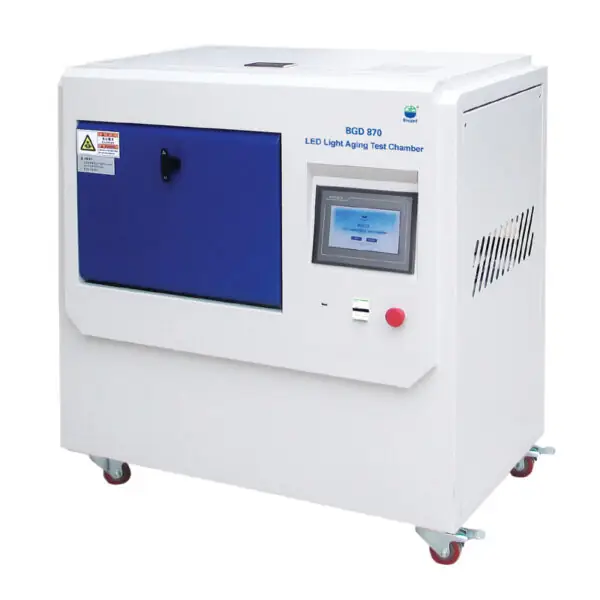
Decide between dedicated single-mode testers and flexible multi-mode chambers. Single-mode units — for example a UV-only bench tester — deliver repeatable, cheaper cycles if you only need one stress. Multi-mode chambers cost more but save lab footprint when you test many protocols. Consider modular add-ons if your test mix may change over two years.
Experience, expertise and a real-world anchor
I’ve worked with coatings and polymer teams who follow ISO‑4892 cycles for accelerated outdoor exposure; those standards shape test acceptance in automotive and coatings labs worldwide. Check that the machine supports those cycle definitions and gives you reproducible irradiance profiles. Also confirm the supplier can show third-party validation or field correlation studies. For a concrete equipment reference, inspect the weathering tester specs and ask for validation reports tied to the ISO cycles.
Final synthesis — choosing a partner, not just a box
You want steady, predictable results, low downtime, and clear records. Ask direct questions, run samples, and verify service reach. Choose a supplier who stands by technical details and trains your people; that gives you consistent data from the first run. For labs needing reliable instruments and service continuity, consider the practical solutions offered by BIUGED as part of your procurement conversations.
