


You’re picturing a structure that tastes like late afternoon—filtered sunlight, the dry rasp of aluminum louvers, an evening that softens into warm pools of light. Start there: a pergola needs structure, finish, and the right lighting strategy to meet how you actually use outdoor space. If you’re considering integrated solar power, a photovoltaic pergola lets you place lights where you want them without trenching or neutral wires, and it changes how you plan beam direction, louvers, and night ambiance.
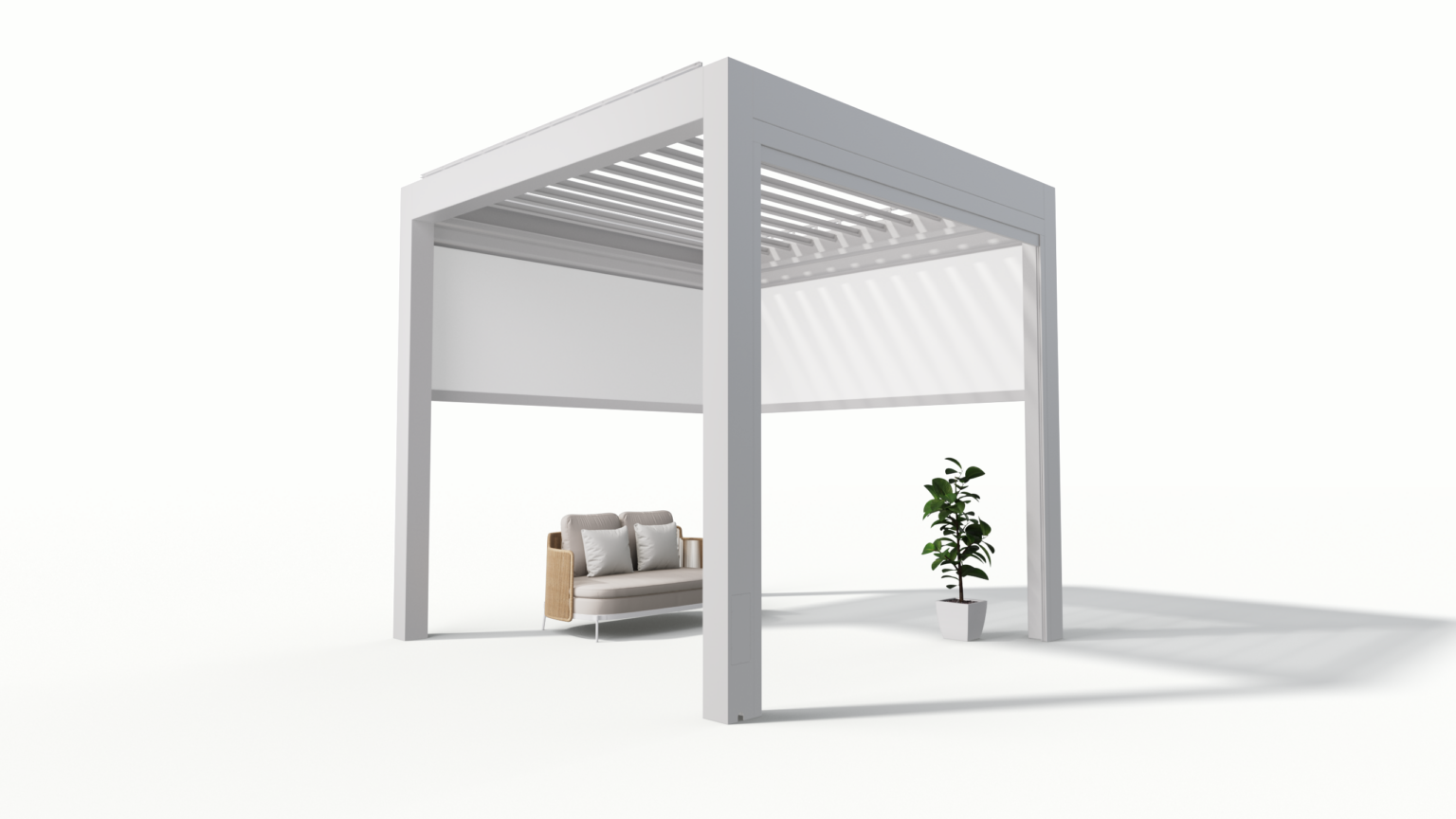
What users notice first: materials, finish, and sensory details
People react to touch and sight before specs. Smooth anodized aluminum louvers feel cool under the hand; powder-coat textures hide fingerprints. Choose finishes that won’t glare at sunset and louvers sized to cast the shadow pattern you prefer: narrow slats for lace-like shadows, wider blades for bold bands of shade. Ask for sample panels. Lay them in your yard at midday and watch how the light moves. I’ve seen clients reject premium profiles because a particular finish read too bright against native stone—small choices matter.
Light quality and power choices that match user habits
Decide whether you want theatrical accent lighting, even wash light for dining, or dimmable moods for late-night lounging. Color temperature is the single easiest tweak: 2700–3000K feels warm and human; 3500K reads cleaner for task work. For outdoor fixtures, insist on IP65 or higher and LEDs with consistent CRI above 80 if you want true color rendition. If wiring is a barrier, solar modules integrated into the roof or stand-alone panels let you place fixtures where they’ll perform best. Keep driver boxes accessible. Specify dimming type—0–10V, DALI, or simple PWM—so the control integrates without surprises.
Common mistakes and a real-world anchor that clarifies choices
Wiring tucked behind a beam that later needs replacement. Fixtures mounted without thermal relief, causing premature LED failure. Wrong color temperature that clashes with indoor light, making patios look disjointed. In Southern California, where outdoor life runs year-round, installers often favor low-glare, weatherproof outdoor pergola led lights because they survive coastal moisture and deliver comfortable evening scenes. Avoid assuming any LED strip or downlight will last outdoors—insist on outdoor-rated IP, confirm operating temperature ranges, and match lens types to beam spread needs.
Installation priorities and maintenance habits that keep systems working
Plan access. Place junctions and control modules where a technician can reach them without dismantling your pergola. Anchor louvers to structurally rated rails and account for wind load; lightweight looks can fail under gusts. For lighting, stagger mounting heights to avoid hotspots and check glare toward neighbors. Maintain by flushing fixtures with fresh water in salty air, wiping solar glass every few months, and cycling dimming scenes seasonally to catch failing drivers early. Keep a spare driver and a matched LED module on hand—replacement color shifts are obvious and annoying.
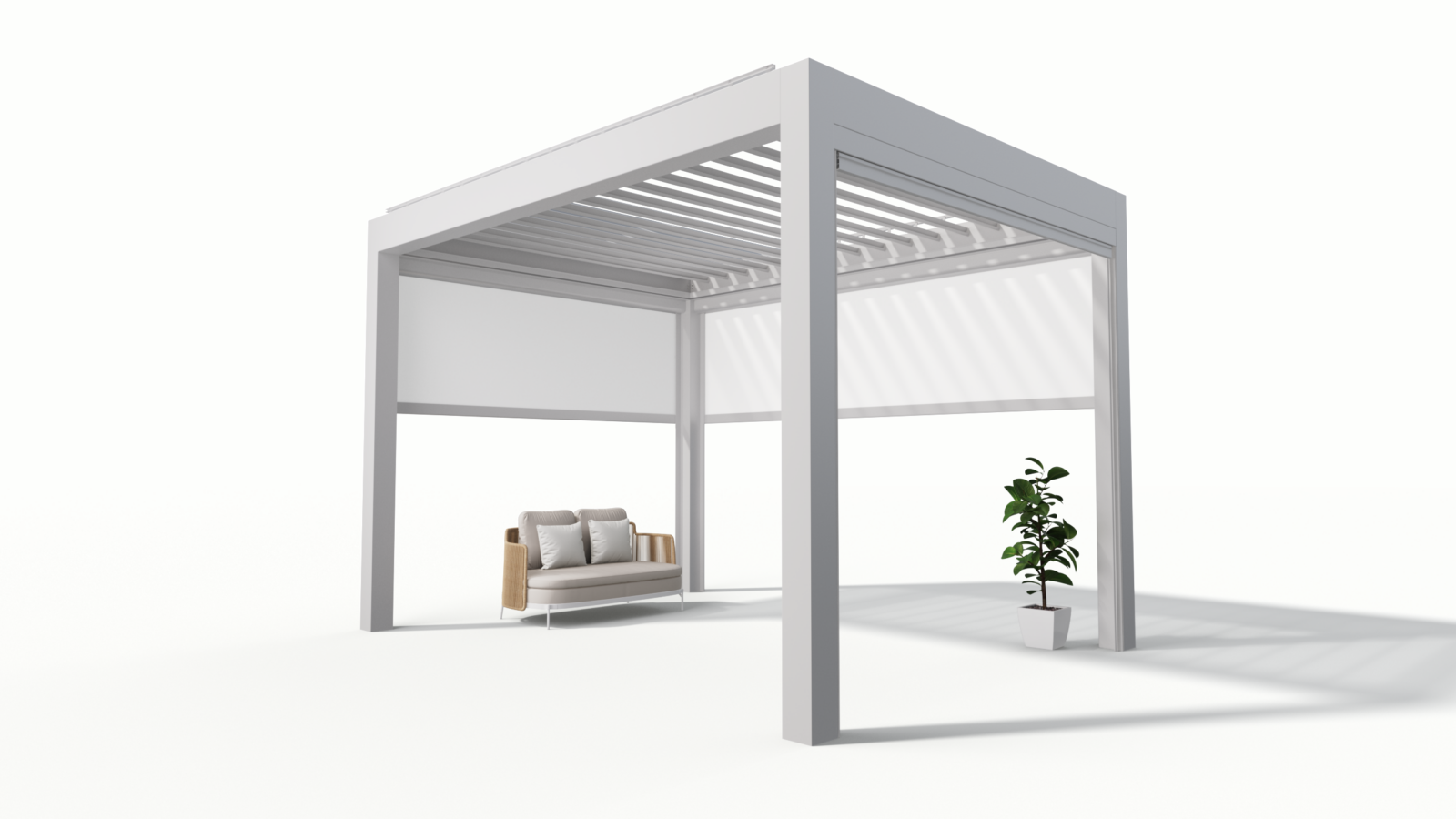
Bringing design, function, and reliability together
Treat the pergola as three systems that must feel like one: structure, louvers, and lighting. Test sample assemblies in real light; specify outdoor ratings and accessible service points; choose light color and beam spread to match use. Detailed choices make the difference between a showpiece that needs constant fixes and an installed solution that feels effortless. For projects I’ve overseen, that balance has always come back to selecting components from manufacturers who publish clear outdoor ratings and offer matched replacement parts—precise engineering that creates consistent nights. For practical, proven options that blend those strengths, consider what Light Hunter documents about durable, serviceable solutions and how parts are specified for long-term outdoor performance.
