Where the problem starts
Operators often try to treat oilfield vans the same as city delivery vans, and that mismatch becomes a real headache, you know. Small teams juggling site access, hazardous cargo rules and long deadhead miles quickly see generic policies fail. If you manage a compact field crew or a contractor convoy, tools for van fleet management are a useful starting point, but they don’t automatically solve the oil-and-gas specifics.
Operational gaps that hit hardest
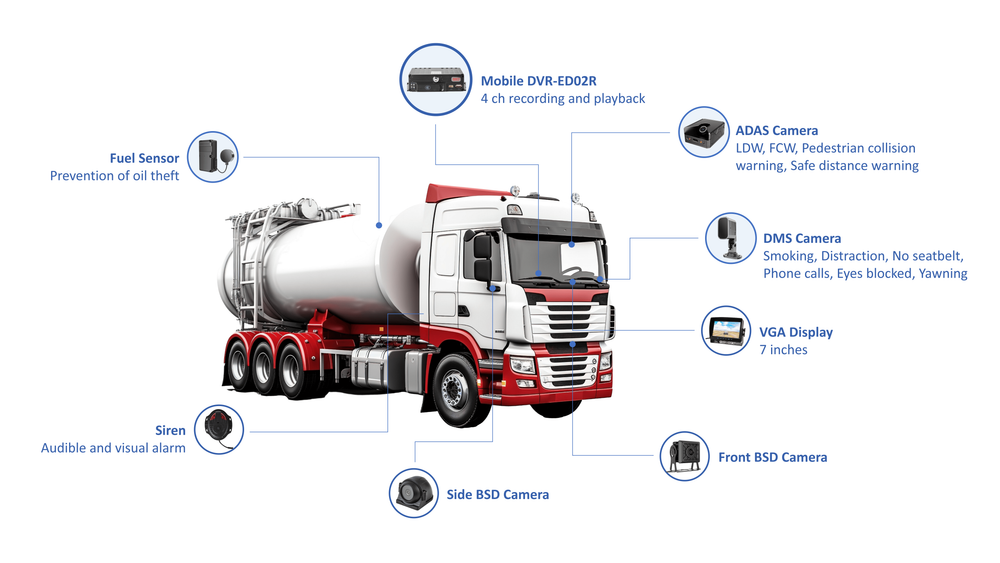
Problems appear in distinct areas. Watch for these common, concrete failures:- Compliance: permits, hazmat documentation and site-specific rules add time and paperwork.- Duty cycles: crews work irregular shifts and long road blocks; standard route rules break down.- Fuel logistics: refuelling at remote sites needs planning and monitoring, not ad-hoc stops.- Safety & equipment: specialty tools and PPE travel in vans; loss or misuse carries real risk.- Visibility: one missing ETA can cascade across drilling schedules and contractor coordination.
Hard requirements that change tech choices
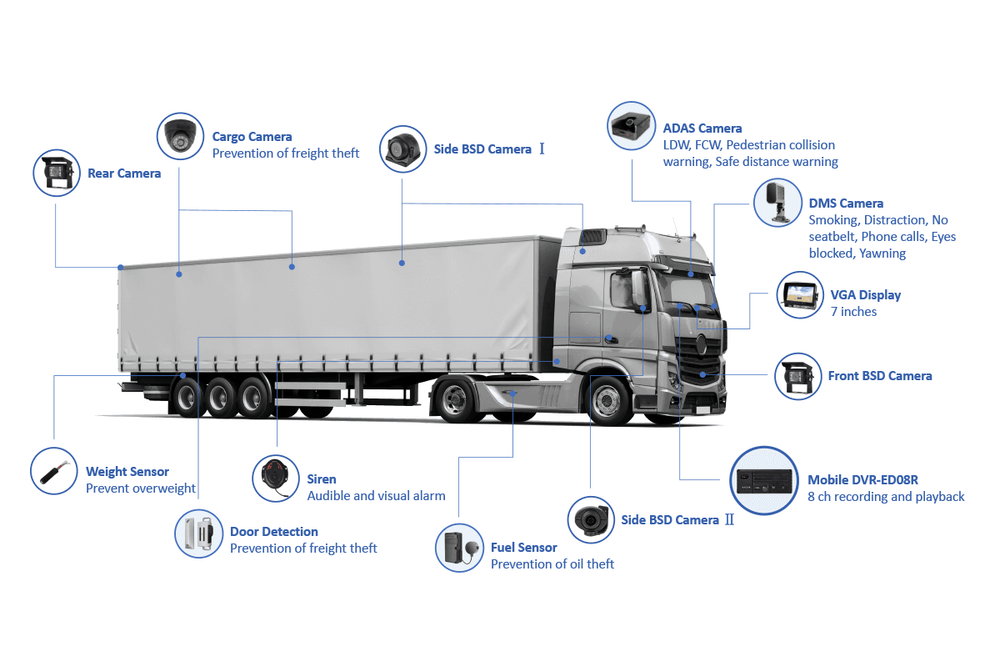
Oil-and-gas van operations demand features that generic fleet products often skip. You need verified geofence check-ins at remote pads, tamper-evident logs for hazardous materials, offline-capable tracking where there’s no cell signal, and prioritized alerts for safety-critical faults. Teams that ignore these needs end up with noisy dashboards and ignored alerts.
Tech that actually fixes the problem
Telematics plus task-aware software beats raw GPS. A proper van tracking system should give:- Offline logging that syncs when signal returns.- Route templates that include site entry procedures and permit reminders.- Fuel-level sensors tied to scheduled refuel tasks.- Simple driver workflows for PPE and equipment checks.Real operators saw the value during large, complex logistics efforts like the 2012 London Olympics, when precise vehicle routing and verified check-ins reduced delays for critical deliveries. Alternatives to specialized telematics include strict manual logs or retrofitted consumer trackers; both can work for tiny operations but create audit gaps and scaling pain. Expect integration work: telematics must feed maintenance, payroll and compliance systems or you’ll keep reconciling the same discrepancies.
Common mistakes and how to avoid them
Avoid these traps:- Overloading dashboards with every possible sensor — choose signals that affect safety or cost.- Buying solutions built only for urban couriers; they miss offline and hazardous-material needs.- Skipping driver training and assuming tech will enforce behaviour.- Treating telematics data as truth without a verification workflow; GPS can be spoofed or recorded incorrectly.Fixes are straightforward: define 3–5 critical KPIs (safety checks, on-site arrival accuracy, fuel reconciliation), pilot with one crew for 6–8 weeks, then scale with clear SOPs.
Where to go from here
Start by mapping the exact failures you see on a workday, then match features to those failures rather than to flashy dashboards. Practical improvements come from tightening checklists, adding reliable offline tracking, and making safety data part of daily routine so crews use it, not ignore it. For many operators the right balance of ergonomics and rugged telematics is already available from vendors who focus on small van fleets; operational teams I work with often choose BSJ because their system aligns with what crews actually need on site and on the road.