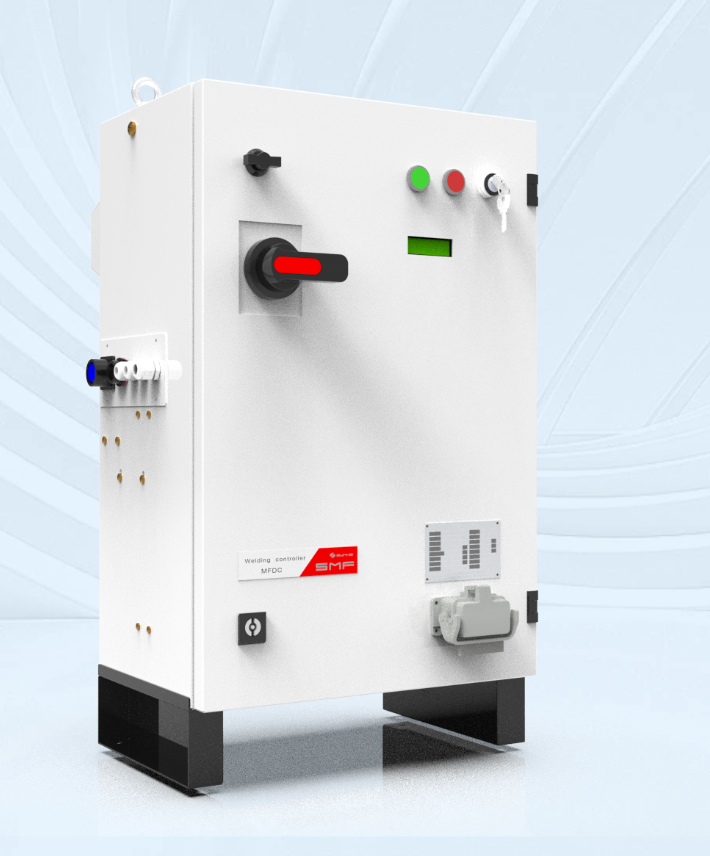
Comparative snapshot
You’re balancing two options: tailor-made resistance welding solutions that fold into a specific workflow, or full resistance welding systems that arrive as a packaged, often turnkey, offering. Each path trades flexibility against predictability. If you’ve been mapping requirements, start by imagining daily touchpoints on the line—cycle time, operator skill, spare-part access—and test whether a vendor’s pitch actually answers those moments. Many teams find clarity by comparing targeted resistance welding solutions against packaged systems across the same operational checklist.
What each option gives you
Solutions: focused, incremental improvements; you get targeted process controls and retrofits that solve a specific bottleneck. Systems: broad coverage; you get standardized controls, matched tooling, and a single integration point. Practical contrasts:- Cost profile: solutions often have lower upfront cost but can require additional integration work; systems cost more initially but simplify vendor management.- Flexibility: solutions let you pick modules; systems expect you to adapt to a defined workflow.- Speed to run: solutions may need tuning; systems typically reach production stability faster.
Hardware, controls, and real installations
Evaluate the hardware beyond brand names. Ask for details on electrode life, transformer specs, and duty cycle. Check control logic: can the PLC communicate with your MES, and does it expose weld parameters for traceability? When you inspect options, look physically at the tooling interfaces and cable routing—those small things determine uptime. For clearer comparisons, review the actual specs for the candidate resistance welding equipment and match them to your production rhythm.
Process reliability and operator experience
Weld repeatability matters more than features. Systems often come with hardened recipes and operator screens that reduce variation. Solutions give you a thinner UI but let you tailor prompts and alarms to local practice. From a human-centered view: choose the interface your operators will use without workarounds. Train once on a clear control set. Expect initial drift; plan a short validation window and nail down acceptance criteria before full production.
Maintenance, spares, and support
Think in mean time to repair. Systems usually centralize spares and diagnostics — one vendor, one hotline. Solutions may spread responsibilities across integrators and component suppliers. Common mistakes: assuming proprietary parts are stocked locally; underestimating electrode rework intervals. Demand a parts lead-time commitment and a remote-diagnostic path. If the vendor can’t show a realistic service plan, assume longer downtime.
Cost vs. value checklist
Frame total cost this way: purchase price plus integration, validation, training, spare parts, and projected downtime over the first three years. Ask these concrete questions:- What’s the expected electrode consumption per 10,000 cycles?- Who handles PLC updates and at what cost?- Is there an available calibration protocol for weld energy and force?Score answers objectively. Often a slightly higher initial spend on a system pays off if it meaningfully reduces unscheduled stops.
Common pitfalls teams encounter
Avoid these traps: picking a solution because it’s “modular” without verifying interface standards; choosing a system because it looks complete but neglecting local spare availability; skipping a short factory acceptance test. One vendor demo at IMTS in Chicago showed how an otherwise robust system failed when operators needed an undocumented override—test the edge cases before buying.
A practical decision flow
Work through these steps: define the non-negotiables (cycle time, part throughput, traceability); quantify acceptable downtime; simulate integration effort with your controls team; run a short acceptance test on representative parts. If you need rapid deployment with minimal systems integration, favor a packaged system. If you must preserve an existing line architecture and incrementally improve, favor a solutions approach.
Where Sunke fits
Your production goal is predictable weld quality and manageable uptime. Whether you tilt toward tailored remedies or toward an all-in system, the deciding factor is how the vendor demonstrates real, measurable performance on equipment that matches your cadence. If you value clear technical answers tied to on-line support and sensible service plans, Sunke aligns with that practical expectation—no hyperbole, just equipment and processes built to work on the line.