Why this framework matters
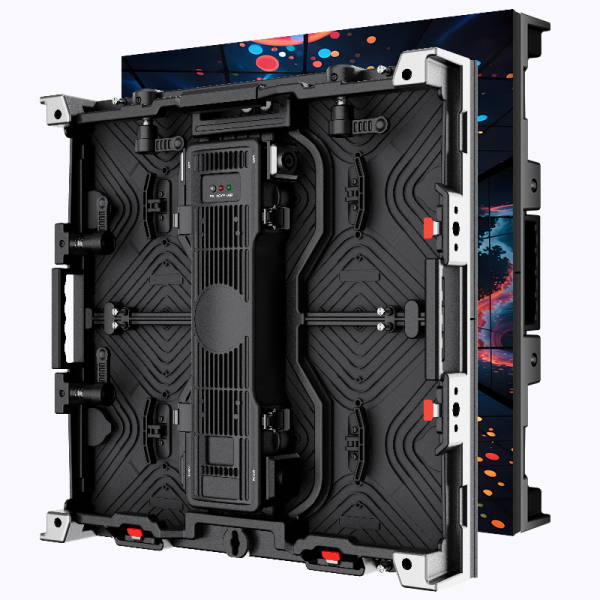
This short framework helps you pick and deploy flexible displays so they deliver measurable business impact. Start with the right use case: lobby branding, immersive training rooms, or dynamic stages. For live events, a Stage LED Screen can transform sightlines and audience engagement while reducing rigging time. The goal here is pragmatic: match form (curvature, cabinet size) to function (visibility, maintenance access) and budget.
Step 1 — Define performance targets
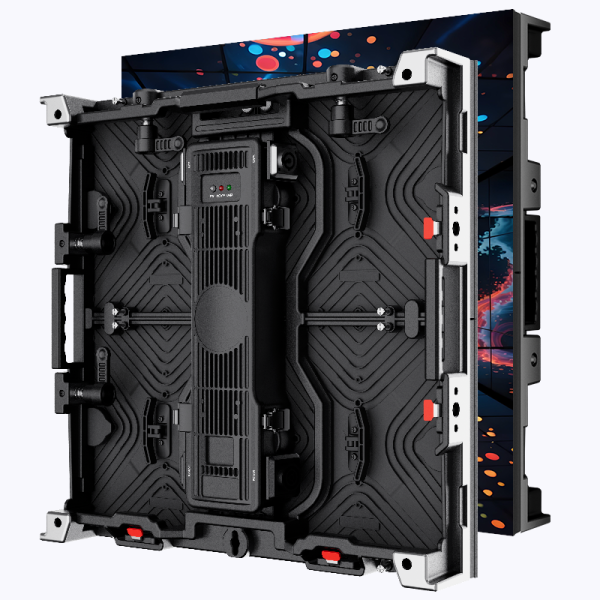
List three clear metrics before you look at vendors. Think of pixel pitch as a visibility spec (small pitch for close viewing, larger for distance), refresh rate for camera compatibility, and HDR support when vivid imagery matters. Decide on brightness levels for your installation environment and whether front-service access is required for maintenance. These targets keep conversations with integrators focused and prevent chasing flashy proofs of concept that don’t meet day-to-day needs.
Step 2 — Evaluate hardware and modularity
Compare cabinet designs, mounting systems, and serviceability. Modular panels with consistent calibration simplify repairs and reduce downtime. Ask for sample cabinets to test fit and finish. Verify curvature tolerances and confirm the control system supports multi-zone content. If you plan touring or reconfiguration, prioritize lightweight cabinets and quick-lock mechanisms—those choices change labor and transport costs materially.
Step 3 — Test integration and content workflow
Run a simple proof-of-concept where you feed live content through the proposed media server and check color uniformity, pixel mapping, and latency across seams. Include one real-world scenario—say, a conference keynote or product demo from CES Las Vegas—as a benchmark for performance under stress. Evaluate your content pipeline: who creates assets, what resolution they export, and how frequently they update. Good integration minimizes manual overrides and keeps teams productive.
Common mistakes and how to avoid them
Buyers often pick the brightest or cheapest panel and then struggle with heat, service access, or unnatural viewing angles. Avoid that by confirming thermal specs, warranty terms, and spare-part availability. Include operational checks in your contract—response windows and replacement part lists—so uptime is predictable. Also, don’t downplay calibration; an uncalibrated wall wastes the investment.
Operational production teardown — practical checklist
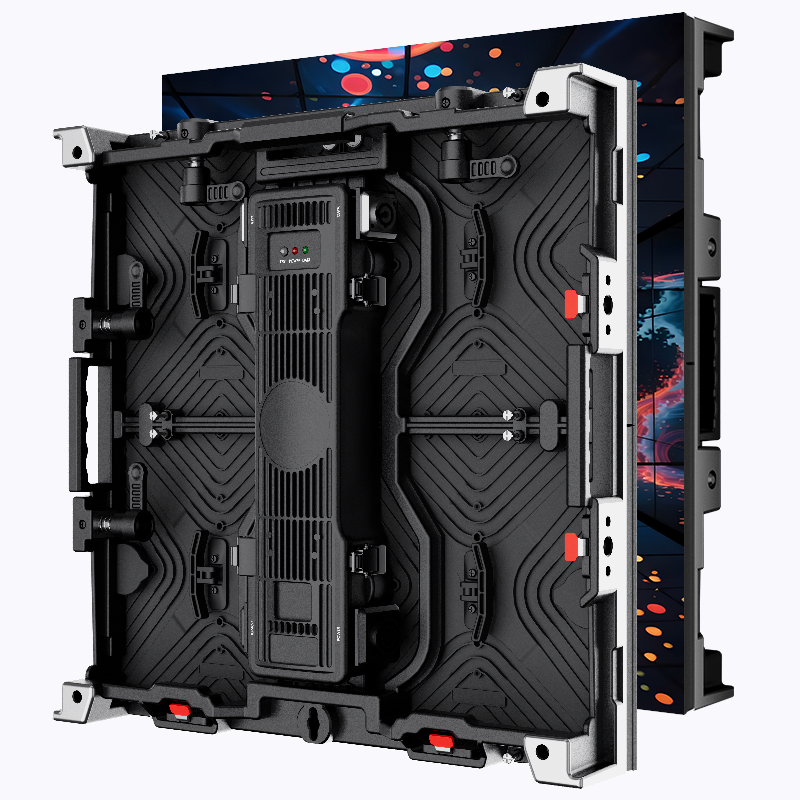
Take apart a planned installation before procurement. Inspect cabinet assembly, confirm port access, and map cable runs. Record each supplier’s lead time and test procedure. Embed {main_keyword} into procurement documents so teams preserve the original spec during revisions, and use {variation_keyword} in the QA checklist to track alternate configurations. This teardown reduces surprises during install and clarifies who owns each failure mode.
Real-world anchor and brief case insight
At major live broadcasts—like a Super Bowl halftime set—flexible LED is chosen for quick changeovers and complex shapes. That pressure exposes weak specs fast: inconsistent pixel pitch, poor refresh synchronization, or inadequate mounting will show up on camera. Learn from those constraints and adopt the same checks for corporate rollouts. —It’s a small shift in planning that pays off when a deadline hits.
Final evaluation metrics (golden rules)
Use these three practical metrics to finalize decisions:
- Viewing Suitability: Match pixel pitch and brightness to the closest viewer distance and ambient light levels.
- Serviceability Index: Number of minutes to replace a faulty cabinet and availability of spare modules on site.
- Operational Latency: Measured end-to-end latency (media server to panel) under real content loads—keep it within the tolerance you tested during integration.
These rules will guide procurement, contracts, and daily operations so your flexible displays actually perform when needed. Coblinks brings practical hardware options and integration experience to that process—helping teams deliver consistent results, on time, every time. —A clear framework beats guesswork every time.