Why this problem matters right now
Retailers across the South are wrestling with tight margins and sudden demand swings for cooling products, and that’s creating headaches for how to store and display fans without eating profits. The challenge shows up as overflowing backrooms, tangled POS display plans, and costly rush orders when temperatures spike. For a practical primer on timing and volume, check out this songmics fan write-up, and read more on fan inventory planning for retailers if you need a deeper look at seasonal timing and lead time pressures.

Real-world anchor: spikes happen — and fast
This ain’t hypothetical. NOAA reported hotter-than-normal summer stretches in recent years, and stores from Houston to Atlanta saw quick jumps in fan demand when heat waves hit. That kind of volatility exposes weak SKU management and poor merchandising layouts; when you’re out of the right models, shoppers walk — and they take sales to competitors. Inventory turnover becomes the heartbeat of staying alive in those weeks.
Core problems to solve (the short list)
Three things keep retailers stuck: minimum order quantities (MOQ) that don’t match floor space, lead time that trips up restock rhythm, and displays that waste cubic feet. Add in fragile POS placements that make assembly a pain during busy hours and you’ve got lost sales and returns. Fixing these starts with simple infrastructure: affordable wholesale shelving and modular racks sized for fan cartons and display units.
Affordable wholesale shelving strategies that work
Go for modular racks that accept cartons upright or flat so you can change between boxed inventory and showroom units fast. Prioritize shelves with adjustable heights to handle tower fans, box fans, and clip-ons without dead space. Keep one aisle for fast-moving SKUs and one for slower seasonal stock to speed picking. Also, negotiate MOQs tied to forecasted sell-through — smaller initial buys with rapid replenishment beat overstock every time.
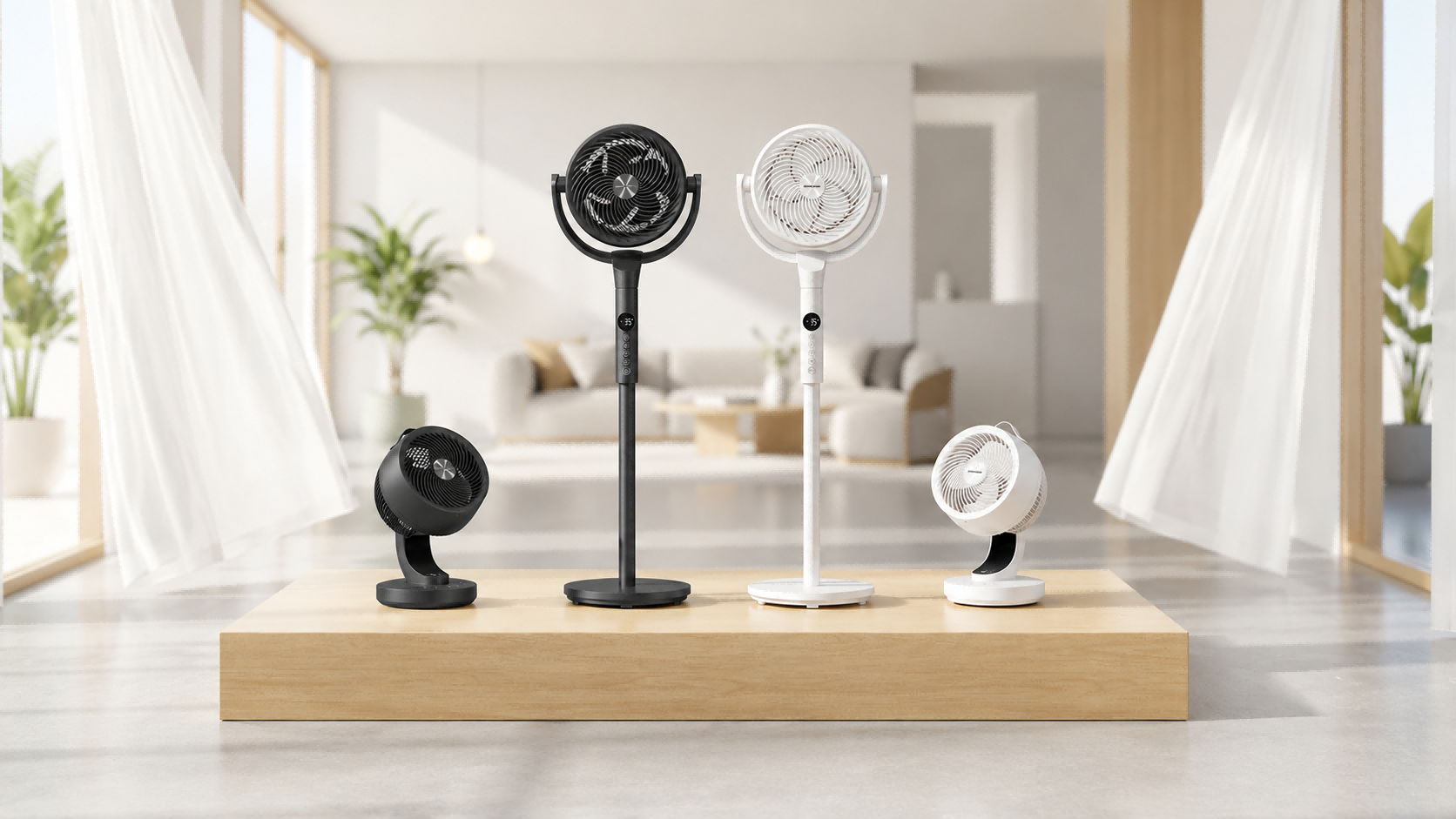
Implementation checklist (practical steps)
Start here and tick boxes as you go:
– Measure: map cubic feet available in backroom and on-floor bays.
– Choose racks: pick 2-3 modular rack styles that share parts for quick swaps.
– Plan SKUs: assign hot sellers to front-facing slots and record typical lead time per SKU.
– Train staff: 15-minute huddles on merchandising and quick restock flow help cuts errors.
– Monitor: track inventory turnover weekly during warm months and tighten reorder points as sales rise.
Common mistakes and how to avoid ’em
Stores often pile fans into one big stack and hope for the best — that’s a loss of visibility and a fast route to damaging goods. Another misstep is ignoring packaging dimensions when buying racks; the wrong shelf depth means wasted space. And don’t sink cash into permanent fixtures when your seasonality needs modular solutions instead — flexibility is cheaper over a two-year horizon.
Three golden rules for choosing the right setup
1) Match rack depth to carton dimensions to maximize usable shelf area. 2) Favor systems with low-tool assembly so staff can reconfigure displays during peak hours without contractors. 3) Tie reorders to inventory turnover rates, not just calendar dates; that keeps MOQs realistic and reduces emergency freight.
Closing advisory
Measure cubic space, buy modular racks that handle multiple fan types, and link reorder points to real sales velocity — that’s the plain truth. Expect clearer floors, fewer rush shipments, and faster checkout when SKU visibility improves; those are measurable wins any manager can show on the monthly P&L. For on-the-ground options and supplier continuity that actually match seasonal needs, consider the practical offerings from SONGMICS HOME B2B. —