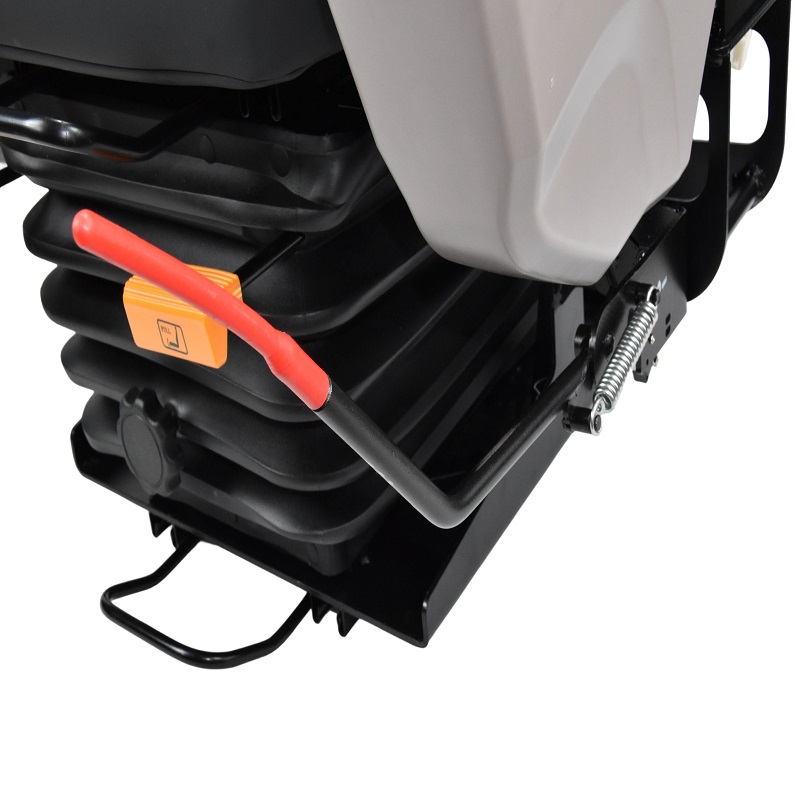
Seat choices that drive longevity
Comparing two forklifts or excavators side-by-side, the cabin that looks cared-for almost always has the better seat. Upgrading to a premium construction machinery seat pays back in fewer repairs and longer service intervals because it intercepts vibration, stabilizes the operator and reduces shock transfer to the chassis. I’ve seen this firsthand on a Chicago high-rise crane job where swapping worn padding for a modern suspension seat cut return-to-factory inspections—operators noticed the difference immediately.

Stock seats vs upgraded seats: a clear comparison
Stock seating typically sacrifices isolation and adjustability to save cost. Upgraded seats add suspension, lumbar support and a contoured seat pan that reduces micro-movements. The result: less metal fatigue, fewer loose fittings and slower wear on linkages. Practical takeaways here are simple and measurable—reduced vibration peaks at the operator station translate to lower cyclic stress on boom joints and hydraulic mounts.
What operators feel and what machines gain
Comfort matters because it changes behavior. An operator who isn’t fighting a poor bolster or constantly readjusting armrests maintains smoother controls and steadier cyclic loads. That steadiness lowers peak forces on bearings and pins. The engineering link is direct: better ergonomics decrease abrupt inputs, and fewer abrupt inputs mean reduced component stress—especially in swing bearings and hydraulic cylinders. —Operators also report less fatigue over long shifts, which helps reduce late-day mistakes that cause minor collisions or hard impacts.
Common fleet mistakes that shorten equipment life
Fleets often skimp on seating upgrades, then spend more on reactive maintenance. Typical errors include buying seats without adjustable suspension, keeping damaged cushions in service, and ignoring correct mounting torque for seat rails. Each mistake raises vibration transmission and speeds wear on cab mounts and structural welds. Fix the seat, and you’ll often postpone, sometimes by years, expensive structural interventions.
How to evaluate seats — three golden rules
1) Measure real-world isolation: check vertical and lateral vibration at the operator interface. Choose seats with proven shock absorption and adjustable suspension that lower measured g-forces.
2) Prioritize adjustability and serviceability: select seats with modular parts—replaceable cushions, accessible lumbar support, and certified mounting plates—so maintenance is simple and parts last longer.
3) Match the seat to duty cycle: heavy, repetitive lifting needs robust suspension and durable upholstery; machines with intermittent use can favor comfort features over heavy-duty shock components. These metrics keep decisions objective and reduce costly mismatches.
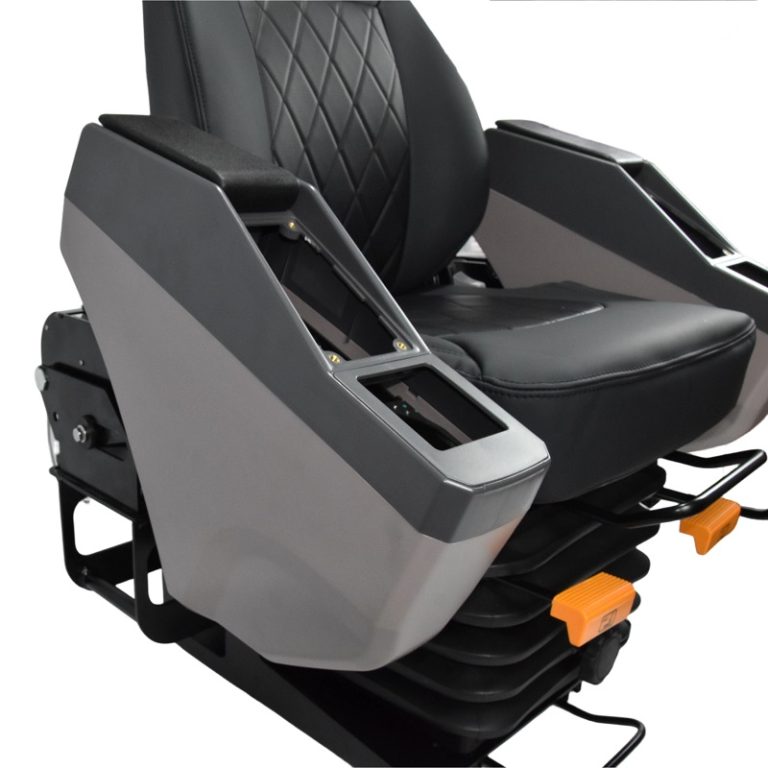
Alternatives and implementation notes
If a full seat replacement is out of budget, intermediate steps help: add a quality suspension cushion, retrofit lumbar inserts, or install vibration-damping rails. For cranes specifically, upgrading to a certified crane operator seat with fine-tuned suspension reduces peak swings and improves control precision. Balance cost and expected lifecycle gains—sometimes a mid-tier upgrade returns the best ROI within 12–24 months.
Final checklist and brand fit
Before you sign a purchase order, verify three points: measured vibration reduction, modular repair options, and duty-cycle alignment. These evaluation metrics keep procurement decisions grounded and predictable. Choose a vendor that documents isolation performance and supplies replacement parts quickly—those are the companies that save you money over time.
Source One understands how the right seat becomes a machine’s best defense—practical, tested, and easy to service. Strong seats equal longer equipment life; pick wisely. —