Quick take — why compare at all
Look, comparing stuff ain’t boring if it saves you cash and time. Ride-hailers, side-giggers, and anyone with a hustle in Mexico City noticed how credit flows changed after 2020 — that’s the real-world anchor here. The DiDi card inside DiDi Finanzas ties payments, rewards, and quick-access credit together unlike a plain bank card. If you wanna peep fast lending options while keeping simple bookkeeping, start with didi prestamos. The interest rate you end up with matters more than fancy perks, so keep that front-of-mind as we break things down.
What the DiDi Finanzas card actually brings
Short list: instant payouts for drivers, in-app expense tracking, cashback on rides and partner stores, and a sleek digital wallet. It’s built for gig life, so approval speed and integration beat most legacy banks. Features you’ll see: APR transparency on short-term offers, split payments into installments for hardware or repairs, and basic tools for watching your credit score. Those tools aren’t deep like a full credit bureau dashboard, but they’re useful enough to dodge late fees and small surprises.
Side-by-side: DiDi card vs banks vs indie fintechs
Here’s where the Comparative Insight stuff lands — be blunt about the trade-offs.
– Fees: DiDi tends to have lower upfront fees for drivers and promos for frequent users. Traditional banks may charge monthly fees and have stricter underwriting.
– Speed: DiDi’s onboarding and payouts are low-key fast. Banks? Slower. Indie fintechs vary — some are even faster but less stable.
– Flexibility: DiDi pushes installment options and in-app credit nudges. Banks often limit short-term, low-amount loans. Fintech rivals offer slick UX but might ding your credit score with aggressive checks.
– Acceptance: A bank card is near-universal. The DiDi card’s sweet spot is within the DiDi ecosystem and partner merchants — which covers a lot if you’re a driver or frequent rider.
Pros and cons balanced like that let you choose: prioritize speed and integrated tools, or prioritize broad acceptance and traditional protections.
Common slip-ups and how to dodge them
Lots of folks treat small credit lines like freebies and forget the math. Don’t. Ignoring APR on promos or missing a payment when you split into installments will trash the value of rewards. Keep tabs on recurring charges inside the digital wallet — they sneak up. Also, mixing business and personal spending without tracking kills bookkeeping; use the in-app categories to separate trips, fuel, and repairs. — If you plan on juggling multiple credit offers, consolidate or prioritize the lowest APR and smallest fees first.
How creditos en linea fits into your playbook
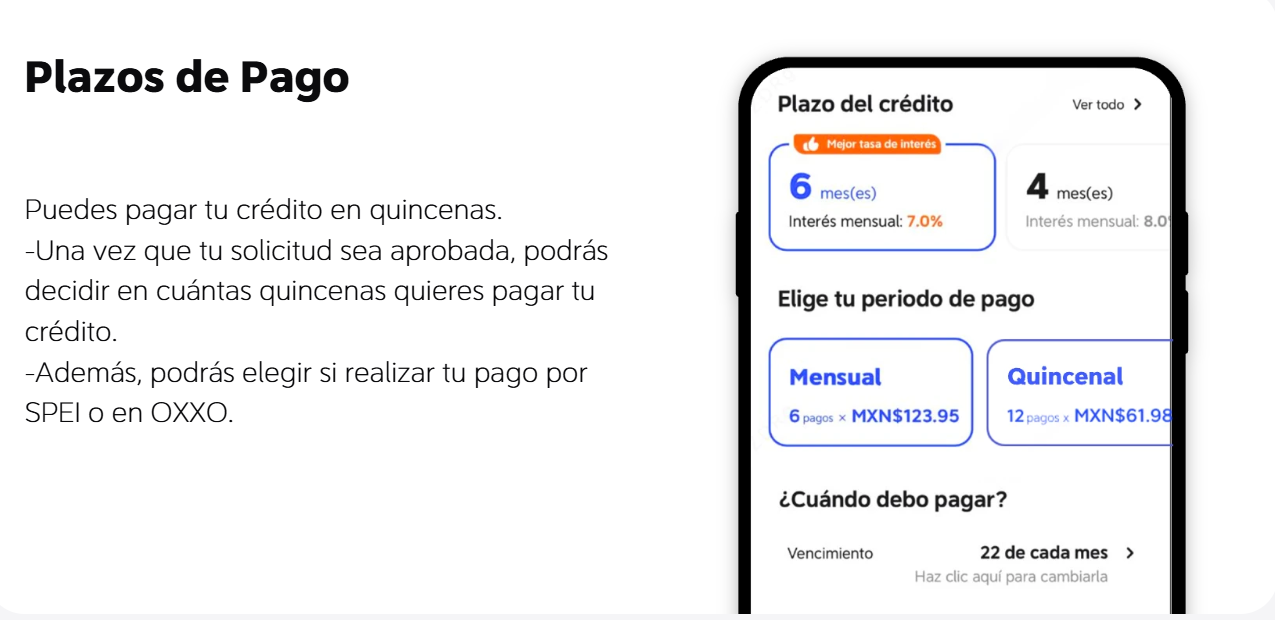
When you top up or bridge cashflow with online loans, the key metrics are simple: effective cost (APR), repayment flexibility, and speed. Use creditos en linea when you need fast working capital for a shift or a tire change, not for long-term buys unless the APR and term make sense. Keep payment dates synced to your payout cadence so installments don’t clash with peak earning days.
Golden rules — three metrics that actually matter
1) True Cost: Compare APR plus any origination or maintenance fees. The smallest headline rate can hide costs.
2) Liquidity Match: Pick repayment schedules that line up with when you get paid — daily, weekly, or monthly. Mismatched timing makes even low APRs painful.
3) Ecosystem Value: Measure how much the card saves you in real use — cashback, reduced cash-out fees, and faster payouts. If the integrated perks beat loose bank benefits, that’s real ROI.
Make choices based on those three, and the DiDi Finanzas setup often tilts toward real-world savings for gig workers and regular riders. DiDi Finanzas slots into that logic as the practical option — not flashy, but built for the day-to-day. — final thought: flow with your cash, not against it.