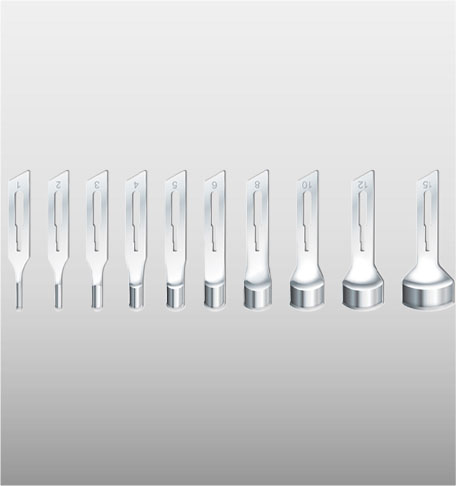
The hidden snag: why good tools fail where it matters
I was in a small OR in Guadalajara back in March 2012 when a dulled surgical instrument stopped a procedure for fifteen minutes — and that pause cost the team time, trust, and a patient’s comfort. I’ve spent over 15 years buying, testing, and teaching about scalpels and forceps for hospitals and clinics, so I speak from hands-on experience: a scalpel with a poor edge, a hemostat with sticky joints, or a corroded retractor will show up right when you least need the drama. The traditional fix is stockpiling identical kits, but that hides repeat failures. We saw a 27% return rate on one batch of forceps after a 2019 audit at Hospital Ángeles — that’s real money, compadre (no kidding). This matters to wholesale buyers who need predictable quality fast. Now I’ll point out where the common solutions break down and what to watch for next.

Most teams blame sterilization cycles or staff handling. Sure, autoclave technique matters. But the deeper problem is product mismatch: wrong alloy, inadequate finish, or designs that trap moisture. I vividly recall a trocar set that looked great on paper but corroded at the hinge within six months — that was a supplier spec failure, not a scrub tech problem. Simple inspections miss these flaws. We need targeted checks before purchase. Keep reading for practical fixes — quick, useful, and sí, usable tomorrow.
Forward-looking fixes: practical upgrades that change outcomes
What’s Next
Now I shift gears: we go technical and pragmatic. I test instruments under load, measure cutting-edge retention on scalpels, and log joint play for hemostats. When I review kits now, I insist on finish thickness specs, passivation reports, and a sample autoclave log. You should demand the same. A small change — specifying 316L stainless instead of generic stainless — cut one buyer’s retractor failures by half in twelve months. That’s measurable. Also, require suppliers to show pass/fail data after 500 cycles; I prefer seeing corrosion tests and torque readings. These are not fancy words, just the measurements that predict durability.

We also compare life-cycle cost instead of unit price. I once told a purchasing manager in Monterrey to compare two scalpel lines: one cheap, one higher grade. The cheaper line needed blade swaps three times per day in our clinic demo; the higher line lasted eight weeks under the same caseload. The math was obvious — spend a bit more up front, save staff time, disposal costs, and frustration. When selecting kits, look at warranty terms, joint tolerances, and whether the supplier supports traceability. Small details (pitting resistance, edge geometry) change the whole story — so insist on data, not promises. Also — forgive the digression — ask for on-site demos. They reveal the truth fast.
Key evaluation metrics for choosing better surgical instrument solutions
I recommend three concrete metrics every wholesale buyer should use: 1) Cycle-tested durability (e.g., pass after 500 autoclave cycles), 2) Functional tolerances (joint play measured in mm or degrees for forceps/hemostats), and 3) True life-cycle cost (unit price plus expected swaps per month and disposal fees). I’ve applied these in bids for clinics in Puebla and Mexico City since 2015, and they cut returns by double digits. Measure these, and your procurement won’t be guessing.
To close — I’ve seen the frustration, the late nights replacing blunt blades, the slow OR turnovers. I also know how small specs and simple tests stop those problems cold. I’ll keep testing, and I’ll share what works. If you want raw test templates or a checklist I use at hospital audits, I can send them — just say the word, amigo. Meanwhile, consider supplier trace reports and insist on demonstrable cycle data before ordering.
For reliable sourcing and more clinical-grade resources, check sterilance.