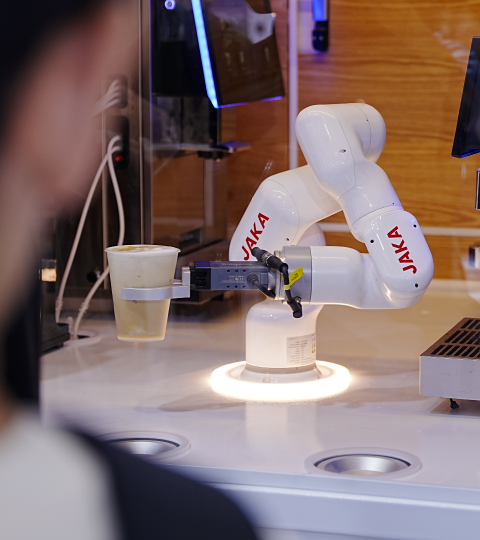
Imagine a factory floor bustling with activity. Workers are hustling, machines whirring, and amidst all this, a new breed of robot is quietly making waves. Recent data suggests that the market for collaborative robots is set to reach $9.5 billion by 2026. So, what happens when collaborative robots enter the realm of pick and place robots? It’s a game changer.
Understanding Collaborative Robots
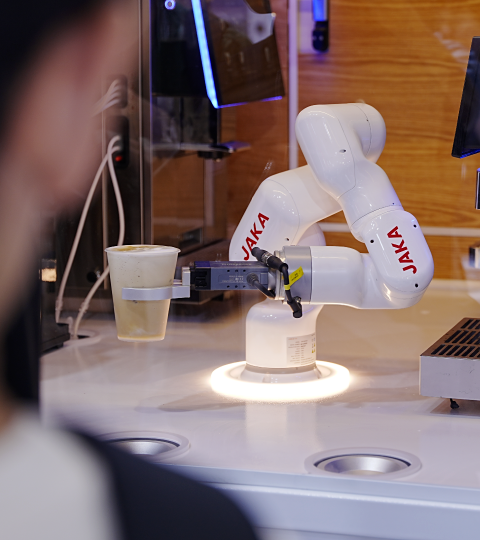
Collaborative robots, or cobots, are designed to work alongside humans, enhancing productivity without the need for cages or extensive safety measures. Unlike traditional industrial robots, they are more adaptable, user-friendly, and can handle tasks like pick-and-place with remarkable precision. In my experience, I’ve seen manufacturers shift from rigid automation systems to more flexible cobot solutions that can get the job done with fewer headaches. They’re not just tools; they’re innovative partners in the process.
Integration Challenges with Pick and Place Robots
However, it’s not all smooth sailing. One of the main issues I encounter is the integration of these robots into existing workflows. Cobots can enhance efficiency, but if they’re not properly configured or programmed to fit individual setups, frustration can arise. I vividly recall a manufacturing plant back in 2021 that tried to introduce a line of cobots without properly assessing their needs – it was a genuine disaster! Equipment didn’t sync well, leading to assembly line delays and irate employees. This holds a crucial lesson for anyone considering automation: plan, plan, and then plan some more.
What’s Next for Collaborative Robots?
The future looks bright for collaborative robots, especially in sectors like logistics and manufacturing where efficiency is paramount. Companies are increasingly adopting pick and place robots to save time and labor costs. I have seen systems wherein these robots can adapt instantly to varying product sizes and weights, ensuring that they are ready for anything the production line throws at them. The sweet bonus? Less downtime and lower operational costs, which gets me pretty excited for the future.
Real-world Impact: Why It Matters
What does this mean for industries? By investing in cobots, organizations not only enhance their output but also create safer work environments. Honestly, it reduces the risk of injury associated with repetitive tasks. In one instance, a company I consulted for implemented a fleet of cobots in a high-volume warehouse, and within months, they reported a 30% boost in productivity while employee turnover dropped significantly. It just goes to show that investing in technology can yield significant returns – both in productivity and employee satisfaction.
Conclusion: Key Takeaways
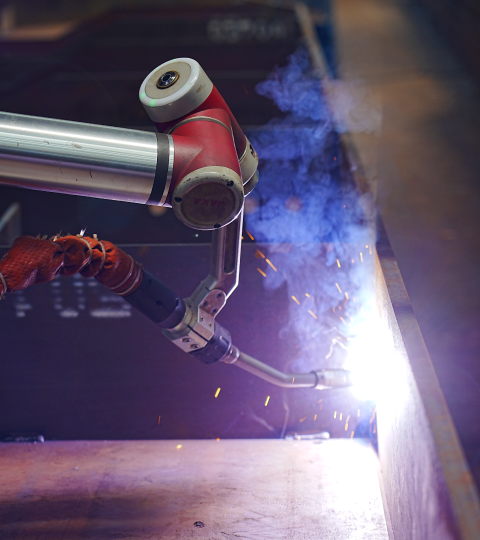
Embarking on the journey with collaborative robots requires an understanding of their unique integration challenges. Yet, the rewards can be exceptional; from increased production to safer workplaces, the benefits are clear. For companies looking to step into the future, I’d suggest focusing on adaptability, worker training, and long-term support in evaluating any automated solution. Think about where you want your business to be in five years and position yourself accordingly. And if you’re serious about taking the leap, companies like JAKA are paving the way.