Where Most Filler Choices Go Off-Track
Most filler regrets start long before the needle touches skin. You want the best injectable fillers, but the path is not clear. Picture the consult: bright lights, quick forms, and a menu of gel names that blur together. Industry summaries show that hyaluronic acid leads global use, yet revisions still walk through clinic doors daily—proof that choice and technique matter more than labels. When you hear sodium hyaluronic acid injection, it sounds uniform, even simple. It is not. Gel behavior shifts with cross-linking, G’ (firmness), and how it flows under pressure. Add real-life needs—budget, downtime, fear of swelling—and the decision becomes a maze (yes, even for first-timers). So, what is the smart way to compare without getting lost?
We will unpack the comparison step by step, but from a deeper angle: what people miss, and why results feel “off” even with a good product. Direct, clean, and practical. Then we move to how new principles guide safer, more natural plans—fast. Let’s bridge the gap and keep it grounded.
Under the Surface: Hidden Pain Points with Sodium Hyaluronic Acid Injection
Where does the plan fail?
Look, it’s simpler than you think. Most frustration with sodium hyaluronic acid injection is not about the molecule. It is about mismatch. A soft, low G’ gel placed where structure is needed will spread, not lift. A stiff, high G’ gel under thin skin can look sharp or feel firm. That is rheology at work, not “bad filler.” Another pain point: water-binding. HA can pull fluid, so early puffiness can mask good placement—and some chase that puffiness with more product. Technique matters, too. Needle boluses in mobile zones may lump; microcannula passes with retrograde threading can spread a viscoelastic gel more evenly. Patients often never hear these basics, and they should. Small choices decide comfort and outcome—funny how that works, right?
Traditional fixes often miss timing and tissue. A “one syringe fits all” plan ignores plane depth and muscle pull. Cheek volume gets pushed to treat a tear trough shadow, when the real issue is ligament support. Cross-linking density can make a gel cohesive or granular; put the wrong texture in a shallow plane and you risk Tyndall tint. Add recovery pressure from sleeping on one side and migration stories start. The safety net exists—hyaluronidase can reverse HA—but the better move is prevention through product-plane match and dose spacing. Clear maps, short review windows, and staged correction reduce risk while keeping expression soft. That is the deeper layer most guides skip.
What’s Next: Comparative Principles for Smarter Filler Choices
Real-world Impact
Forward-looking practice compares not only brands, but behavior. Newer HA gels tune cross-linking for dual aims: lift and spread. Think shear-thinning under the needle for smooth flow, then high recovery to hold shape. Cohesive matrices resist clumping; biphasic particles can stack support when you need projection. Ultrasound mapping is entering routine care to confirm plane depth and avoid vessels. A seasoned dermal filler specialist now thinks in systems: skin quality first, then scaffold, then contour—delivered with microcannula where glide helps, needle where pinpoint lift is needed. It sounds technical because it is, but the goal stays simple: move with the face, not against it.
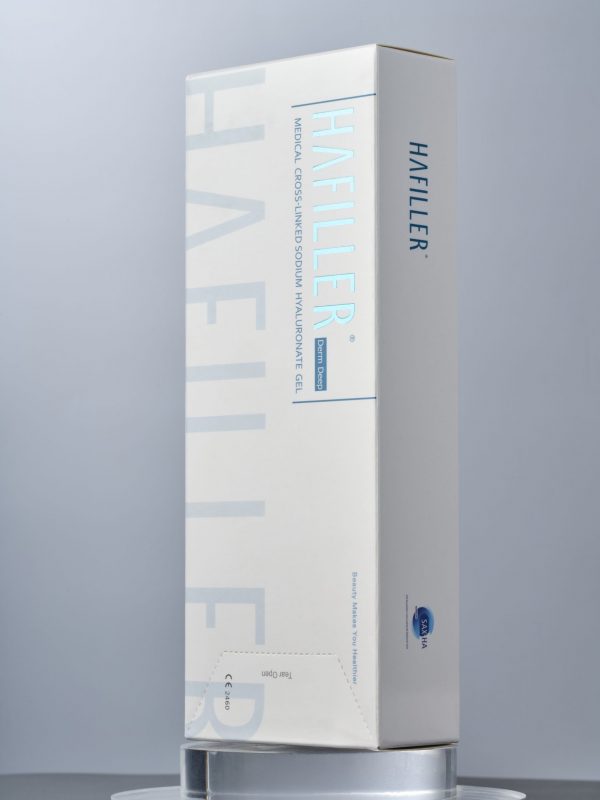
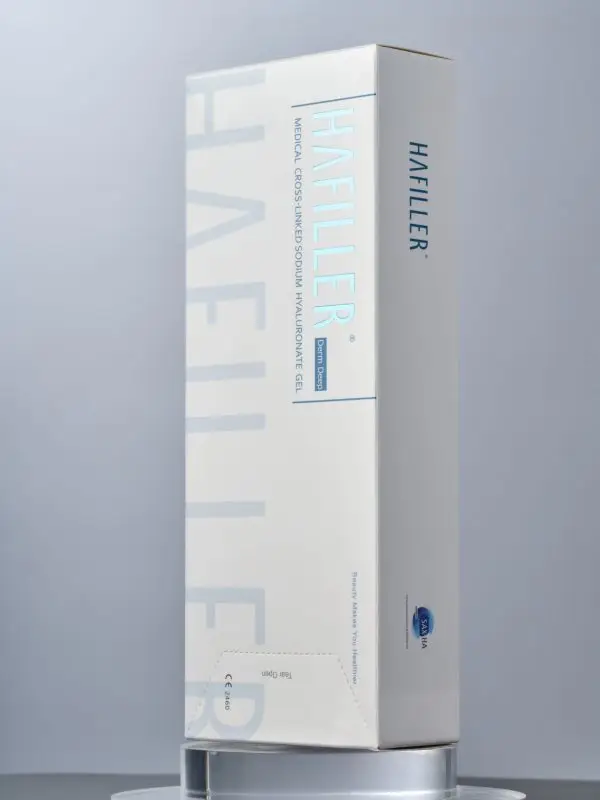
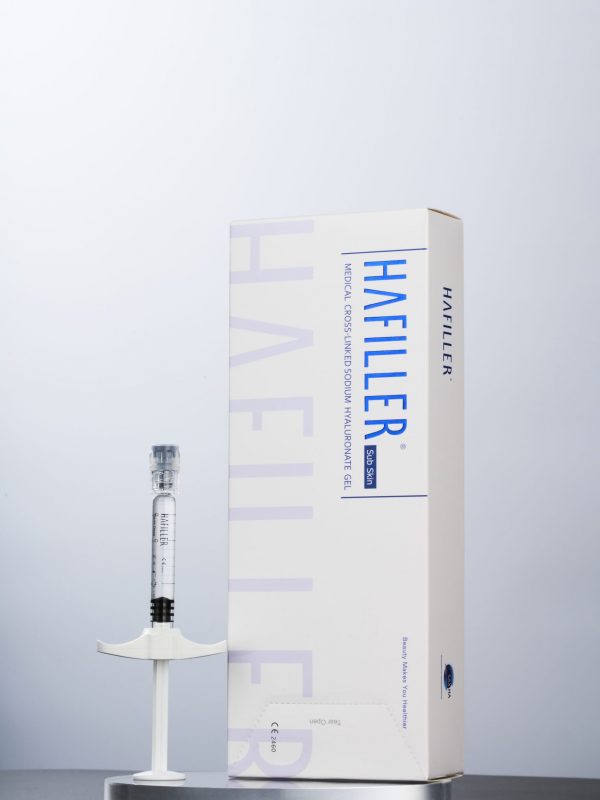
Compared to legacy “more volume, faster,” a staged plan tests how the viscoelastic gel settles before you layer. That reduces edema confusion and limits correction visits—funny how that works, right? Summing up: pick for plane and motion, not hype; use rheology, not guesswork; and build in a reversal path for safety. As you choose, use three checks: 1) Material profile: G’, cohesivity, and cross-link type for the target plane. 2) Delivery plan: needle vs. cannula, bolus vs. linear threads, with ultrasound when risk is higher. 3) Follow-up logic: staged dosing, review at 2–3 weeks, and a clear protocol for hyaluronidase if needed. With those metrics, “best” becomes measurable—and your result looks like you, only rested. For steady guidance and product depth, see HAFILLER.