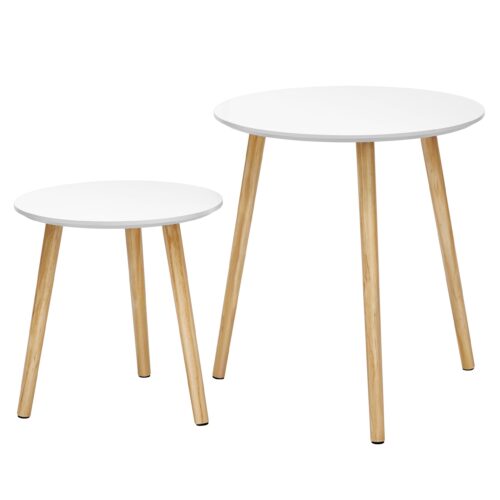
The Decision Everyone Overthinks
You don’t need luck to pick the right partner—just a clearer playbook. Many coffee table manufacturers look similar at a glance, especially after a busy trade show or a long sourcing sprint. You don’t need a dozen quotes; you need a smart way to vet a coffee table supplier that fits your real needs (and timeline). Picture the inbox flood: spec sheets, MOQs, samples. In one recent buyer pulse, over a third complained about finish inconsistency and missed ETAs. So, what’s the real filter that separates solid partners from costly detours?
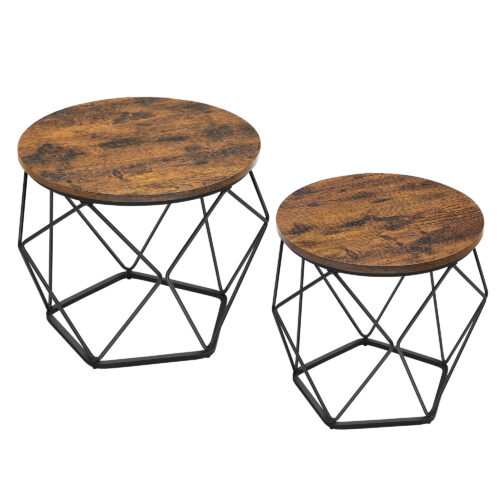
Short answer: compare how they solve your hidden pains, not how they pitch price. We’ll keep it clean, short, and useful—no fluff. Quick note: a few technical terms will pop up, but I’ll keep it friendly. Ready to go from guesswork to a grounded choice? Let’s get into the details that actually decide your launch date.
Hidden Friction You Don’t See in the Brochure
Where do specs go wrong?
Here’s the deeper layer most buyers miss. On paper, two factories can match the same style, size, and MOQ. But the gap shows up in process control. Does the plant use CNC milling and jig fixtures to keep aperture cuts consistent across batches? Is the powder coating line calibrated for humidity swings? If not, you’ll feel it in color drift and edge chipping—after you’ve committed. Look, it’s simpler than you think: small process gaps become big retail problems. And when load-bearing capacity isn’t verified on a torque testing rig, a few wobbly returns balloon into a review crisis—funny how that works, right?
Another quiet pain: communication loops. If the supplier can’t translate your CAD/CAM drawings into tooling notes, tolerance creep begins. QC sampling may look “ISO-ish,” yet still miss veneer direction or staple shadowing under softwood frames. Traditional fixes—more inspections, more photos—add time but not certainty. The real fix is upstream. Ask how they set first-article approval, what failure modes they anticipate, and how they quarantine non‑conforming parts. If they can’t show a clean trail from BOM to carton label, delays stack. That’s not a price issue; it’s a system issue that hits margins and trust.
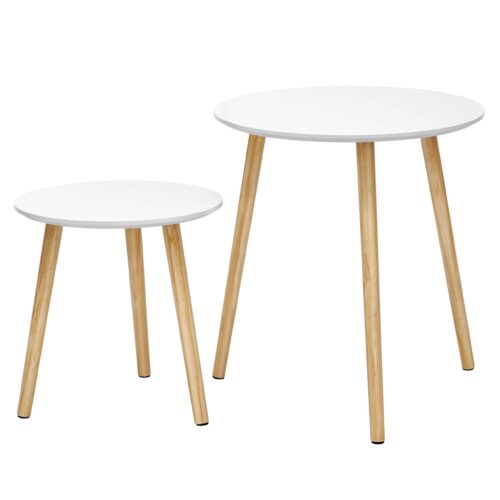
Comparative Insight: How New Principles Sort Leaders From the Pack
What’s Next
Forward-looking shops don’t just promise quality; they engineer it. The strongest contrast today is between “inspect at the end” versus “control at the source.” Newer lines sync CAD/CAM to the laminate veneer press, tying finish codes to the MES so each batch logs its own parameters. That means fewer mysteries when a batch goes off-color. Some even map parts with RFID to track fixtures and rework, then push alerts to a simple EDI feed you can read without an IT team. A capable china coffee table supplier will show you this flow, not just sample photos. They’ll talk kiln‑dried lumber moisture windows, adhesive cure times, and how SKU rationalization trims changeover waste. Different language, different outcomes—and faster container turns.
So, what should you measure when you compare? Keep it practical and tight. First, process capability: ask for a short run with logged variance on top surfaces, leg alignment, and finish gloss units. Second, changeover discipline: time from spec change to stable output, including fixture swap and work instruction updates—minutes matter. Third, corrective action speed: how fast they detect, isolate, and fix a defect upstream, with proof from their QC sampling plan. These three signals predict fewer claims, steadier ETDs, and cleaner reviews. Choose the partner who treats problems as data, not drama—and you’ll ship smoother, season after season. That’s the quiet win everyone notices later — especially your customers. SONGMICS HOME B2B